
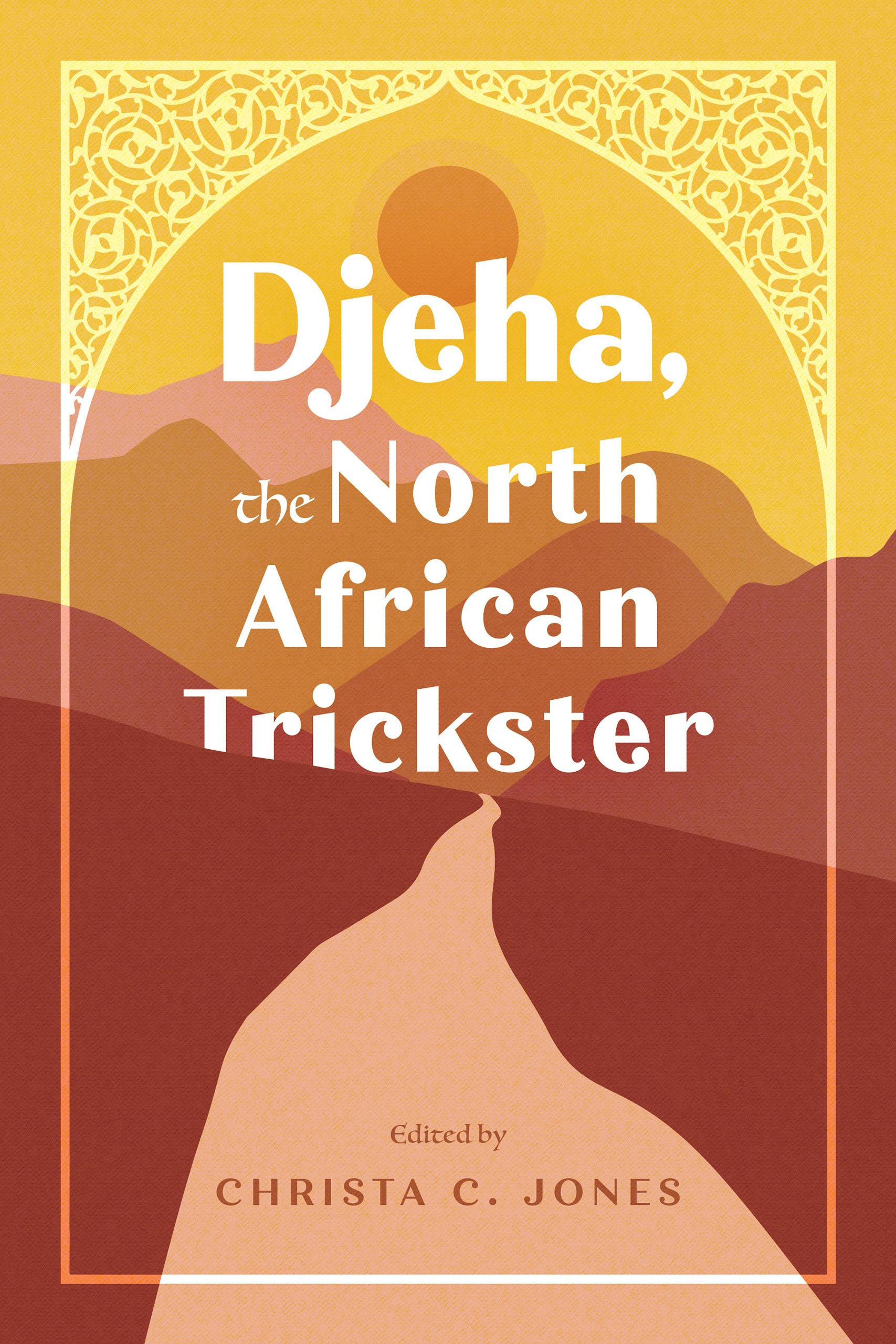
Djeha—also known as Juha, Jeh’a, and Ch’ha, among many variations—is an iconic figure, the trickster hero of an oral folktale tradition that has existed for centuries. The famous Maghrebian prankster is a poor, cunning, and resourceful character that delights in immoral behavior. Orientalists Auguste Mouliéras (1855-1931) and René Basset (1855-1924) were among the first Frenchmen to collect and translate popular Berber folktales. Today, trickster folktales from Algeria’s mountainous Kabylia region are not well known in the Anglophone world, even though they continue to be highly popular in France and in North Africa. Djeha, the North African Trickster is an annotated, critical translation of Auguste Mouliéras’s folktale collection Les Fourberies de Si Djeh’a, first published in French in 1892.
The volume contains sixty tales and an in-depth introduction in which Christa C. Jones discusses jocular literature in Islam, the widespread oral folktale tradition linked to Djeha and his Turkish twin brother Nasreddin Hoca, and the impact of colonialism on the gathering and dissemination of the tales. The trickster is at the center of six themed chapters: “Family and Kinship”; “Animal Tales"; “Faces, Places, or Daily Life in the Village"; “Foodways”; “The Intricacies of Hospitality: Beware of Friends and Foes!"; and “Religion, Death, and the Afterlife.” Each chapter contains ten folktales preceded by a short introduction that contextualizes the pieces using historical, folkloristic, literary, and ethnographical sources. Ultimately, the book contributes to the preservation of an ancestral oral heritage, delivering this enduring character to new audiences.
The volume contains sixty tales and an in-depth introduction in which Christa C. Jones discusses jocular literature in Islam, the widespread oral folktale tradition linked to Djeha and his Turkish twin brother Nasreddin Hoca, and the impact of colonialism on the gathering and dissemination of the tales. The trickster is at the center of six themed chapters: “Family and Kinship”; “Animal Tales"; “Faces, Places, or Daily Life in the Village"; “Foodways”; “The Intricacies of Hospitality: Beware of Friends and Foes!"; and “Religion, Death, and the Afterlife.” Each chapter contains ten folktales preceded by a short introduction that contextualizes the pieces using historical, folkloristic, literary, and ethnographical sources. Ultimately, the book contributes to the preservation of an ancestral oral heritage, delivering this enduring character to new audiences.
Maksa helposti kortilla, Klarnalla, Apple Paylla tai Google Paylla. Etkö ole tyytyväinen? Sinulla on aina 14 päivän palautusoikeus. Lue lisää ehdoistamme. Jos sinulla on kysyttävää, lähetä meille sähköpostia osoitteeseen hello@memmo.org.
Memmo tekee opiskelusta helpompaa – missä päin maailmaa ikinä oletkin. Meillä yhdistät kurssikirjat ja fiksut opiskelutyökalut yhteen paikkaan: tiivistelmät, visat, podcastit ja muistikortit. Ja sitten Ted, opiskelukaverisi, joka vastaa kaikkeen, mitä ikinä mietitkin. Yli 50 000 opiskelijaa opiskelee jo täällä – rakennettu auttamaan sinua oppimaan nopeammin ja stressaamaan vähemmän.
Saatat pitää myös näistä
Osta kirja0