
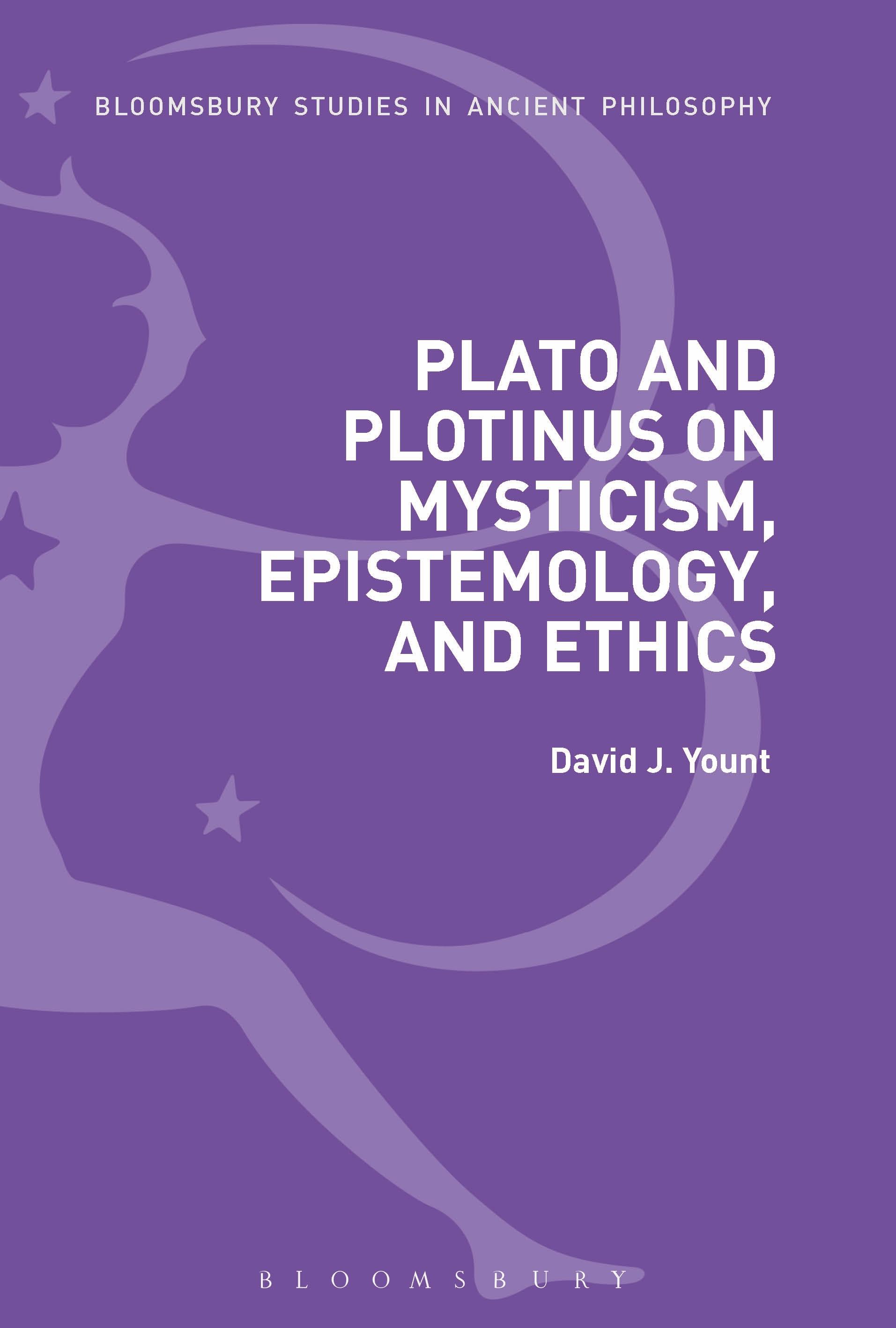
This book argues against the common view that there are no essential differences between Plato and the Neoplatonist philosopher, Plotinus, on the issues of mysticism, epistemology, and ethics. Beginning by examining the ways in which Plato and Plotinus claim that it is possible to have an ultimate experience that answers the most significant philosophical questions, David J. Yount provides an extended analysis of why we should interpret both philosophers as mystics. The book then moves on to demonstrate that both philosophers share a belief in non-discursive knowledge and the methods to attain it, including dialectic and recollection, and shows that they do not essentially differ on any significant views on ethics.
Making extensive use of primary and secondary sources, Plato and Plotinus on Mysticism, Epistemology and Ethics shows the similarities between the thought of these two philosophers on a variety of philosophical questions, such as meditation, divination, wisdom, knowledge, truth, happiness and love.
Making extensive use of primary and secondary sources, Plato and Plotinus on Mysticism, Epistemology and Ethics shows the similarities between the thought of these two philosophers on a variety of philosophical questions, such as meditation, divination, wisdom, knowledge, truth, happiness and love.
Maksa helposti kortilla, Klarnalla, Apple Paylla tai Google Paylla. Etkö ole tyytyväinen? Sinulla on aina 14 päivän palautusoikeus. Lue lisää ehdoistamme. Jos sinulla on kysyttävää, lähetä meille sähköpostia osoitteeseen hello@memmo.org.
Memmo tekee opiskelusta helpompaa – missä päin maailmaa ikinä oletkin. Meillä yhdistät kurssikirjat ja fiksut opiskelutyökalut yhteen paikkaan: tiivistelmät, visat, podcastit ja muistikortit. Ja sitten Ted, opiskelukaverisi, joka vastaa kaikkeen, mitä ikinä mietitkin. Yli 50 000 opiskelijaa opiskelee jo täällä – rakennettu auttamaan sinua oppimaan nopeammin ja stressaamaan vähemmän.