
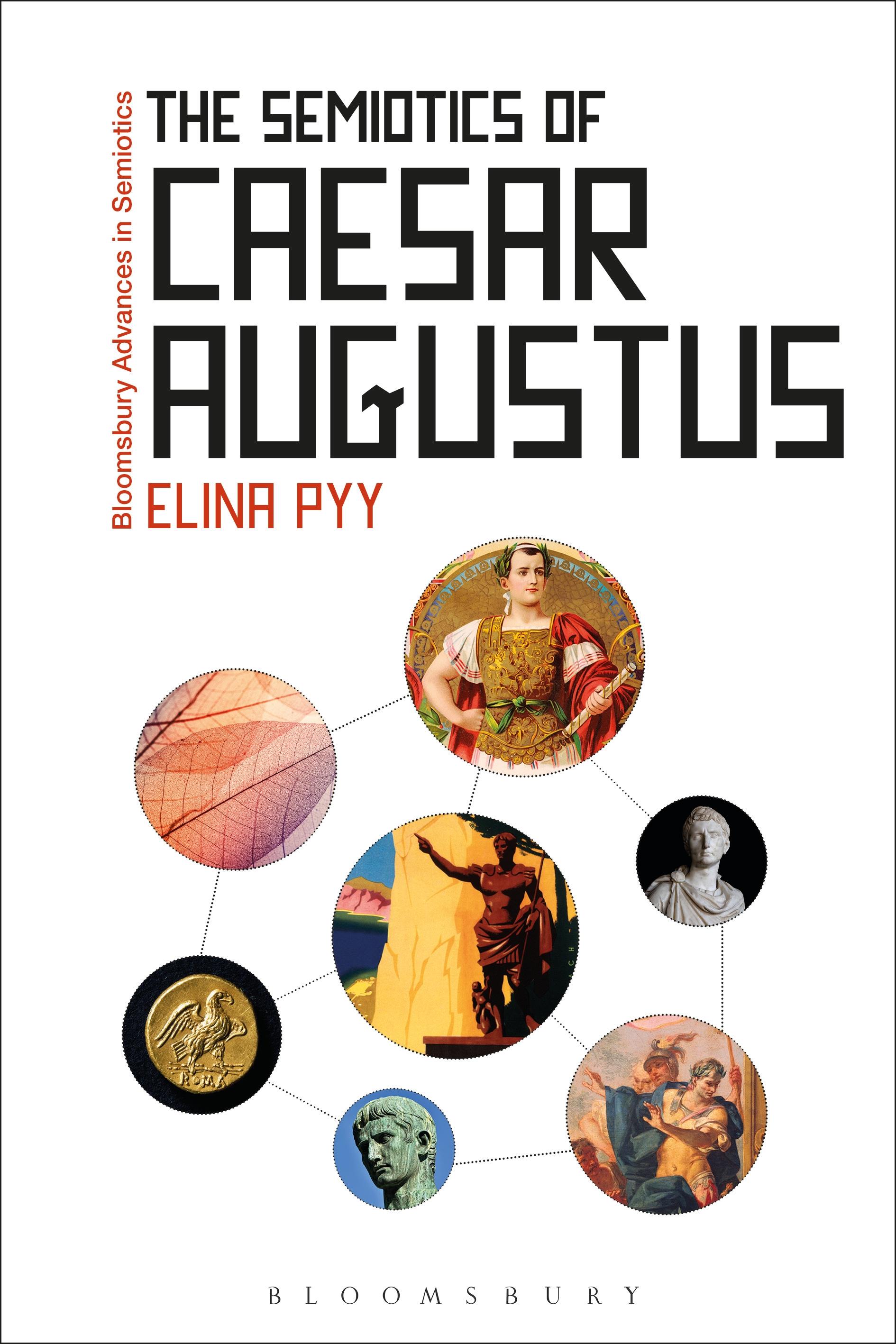
Gaius Julius Caesar Octavianus, better known as Augustus, was the first Roman emperor and is one of the most iconic figures in world history. Two thousand years after his death, Augustus remains a strong presence in modern culture.
The Semiotics of Caesar Augustus examines the meanings and significances of Augustus in Western literary and popular culture, from the 1960s until the turn of the millennium. Drawing on the theoretical background of semiotics and classical reception studies, Elina Pyy investigates the representation of Augustus in the postmodern novels of Kurt Vonnegut and Christoph Ransmayr, as well as in the genre of historical fiction, and in screen representations from both sides of the Atlantic.
Scrutinizing what Caesar Augustus stood for in the postmodern world, and the main factors that influenced (and still influence) the modern reader's interpretation of him, this book is grounded on the premise that the past, being a system of signs based on our culturally shared understanding of them, is continuously created and reconstructed by the modern audience. Arguing that the 'many faces of the emperor' can be considered to be reactions to contemporary cultural, socio-political or emotional needs, The Semiotics of Caesar Augustus shows how his character was recurrently utilized to explain and understand the ways in which the discourses of power, liberty, oppression and humanity operated in the postmodern world.
The Semiotics of Caesar Augustus examines the meanings and significances of Augustus in Western literary and popular culture, from the 1960s until the turn of the millennium. Drawing on the theoretical background of semiotics and classical reception studies, Elina Pyy investigates the representation of Augustus in the postmodern novels of Kurt Vonnegut and Christoph Ransmayr, as well as in the genre of historical fiction, and in screen representations from both sides of the Atlantic.
Scrutinizing what Caesar Augustus stood for in the postmodern world, and the main factors that influenced (and still influence) the modern reader's interpretation of him, this book is grounded on the premise that the past, being a system of signs based on our culturally shared understanding of them, is continuously created and reconstructed by the modern audience. Arguing that the 'many faces of the emperor' can be considered to be reactions to contemporary cultural, socio-political or emotional needs, The Semiotics of Caesar Augustus shows how his character was recurrently utilized to explain and understand the ways in which the discourses of power, liberty, oppression and humanity operated in the postmodern world.
Maksa helposti kortilla, Klarnalla, Apple Paylla tai Google Paylla. Etkö ole tyytyväinen? Sinulla on aina 14 päivän palautusoikeus. Lue lisää ehdoistamme. Jos sinulla on kysyttävää, lähetä meille sähköpostia osoitteeseen hello@memmo.org.
Memmo tekee opiskelusta helpompaa – missä päin maailmaa ikinä oletkin. Meillä yhdistät kurssikirjat ja fiksut opiskelutyökalut yhteen paikkaan: tiivistelmät, visat, podcastit ja muistikortit. Ja sitten Ted, opiskelukaverisi, joka vastaa kaikkeen, mitä ikinä mietitkin. Yli 50 000 opiskelijaa opiskelee jo täällä – rakennettu auttamaan sinua oppimaan nopeammin ja stressaamaan vähemmän.