
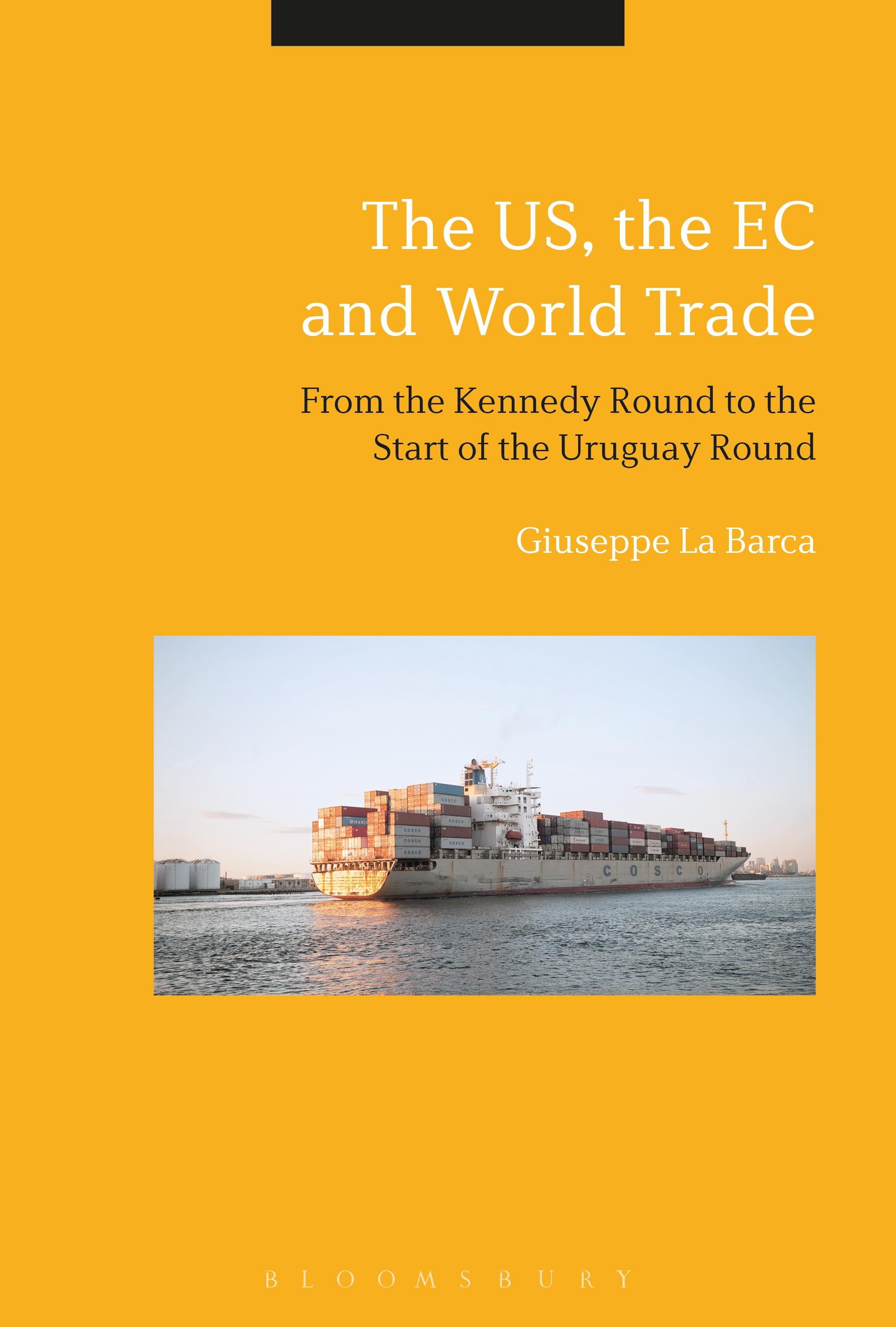
The period between the close of the Kennedy Round and the opening of the Uruguay Round replaced a decade of fast growth in world output and trade - and of prevailing harmony in trade relations across the Atlantic - with twenty years of currency and trade turmoil and strains between the US and the EC. Giuseppe La Barca provides a comprehensive account of these trade developments and the measures adopted by the US and the EC to cope with them; in doing so, he draws a wider picture of international trade policy-making during the period.
The aftermath of the Kennedy Round witnessed the undoing of the Bretton Woods regime, but the consequent overheating of the world economy resulted in an acceleration of international trade while settlement in the currency area contributed to the launching of the Tokyo Round negotiations. The first oil shock heralded an unprecedented slump along with a jump in unemployment and inflation rates. The Tokyo Round resulted only in a first step in eliminating non-tariff barriers, leaving contentious issues between the two transatlantic trading partners unsettled. The second oil shock led to growing calls for protectionism and unilateralism particularly in the US, and the Reagan administration pressed for the launch of the Uruguay Round only partially supported by the EC.
Providing an in-depth analysis of trade developments involving the two most important economic actors, and placing these developments in a multilateral, international context, this book offers new insights to scholars of economic history and international political economy.
The aftermath of the Kennedy Round witnessed the undoing of the Bretton Woods regime, but the consequent overheating of the world economy resulted in an acceleration of international trade while settlement in the currency area contributed to the launching of the Tokyo Round negotiations. The first oil shock heralded an unprecedented slump along with a jump in unemployment and inflation rates. The Tokyo Round resulted only in a first step in eliminating non-tariff barriers, leaving contentious issues between the two transatlantic trading partners unsettled. The second oil shock led to growing calls for protectionism and unilateralism particularly in the US, and the Reagan administration pressed for the launch of the Uruguay Round only partially supported by the EC.
Providing an in-depth analysis of trade developments involving the two most important economic actors, and placing these developments in a multilateral, international context, this book offers new insights to scholars of economic history and international political economy.
Sivuja: 296
Kategoria: Ekonomi & Utveckling
e-ISBN: 9781474257855
Lähetyspaino: 1.2 kg
Toimitusaika: 1-2 päivää
Maksa helposti kortilla, Klarnalla, Apple Paylla tai Google Paylla. Etkö ole tyytyväinen? Sinulla on aina 14 päivän palautusoikeus. Lue lisää ehdoistamme. Jos sinulla on kysyttävää, lähetä meille sähköpostia osoitteeseen hello@memmo.org.
Memmo tekee opiskelusta helpompaa – missä päin maailmaa ikinä oletkin. Meillä yhdistät kurssikirjat ja fiksut opiskelutyökalut yhteen paikkaan: tiivistelmät, visat, podcastit ja muistikortit. Ja sitten Ted, opiskelukaverisi, joka vastaa kaikkeen, mitä ikinä mietitkin. Yli 50 000 opiskelijaa opiskelee jo täällä – rakennettu auttamaan sinua oppimaan nopeammin ja stressaamaan vähemmän.