
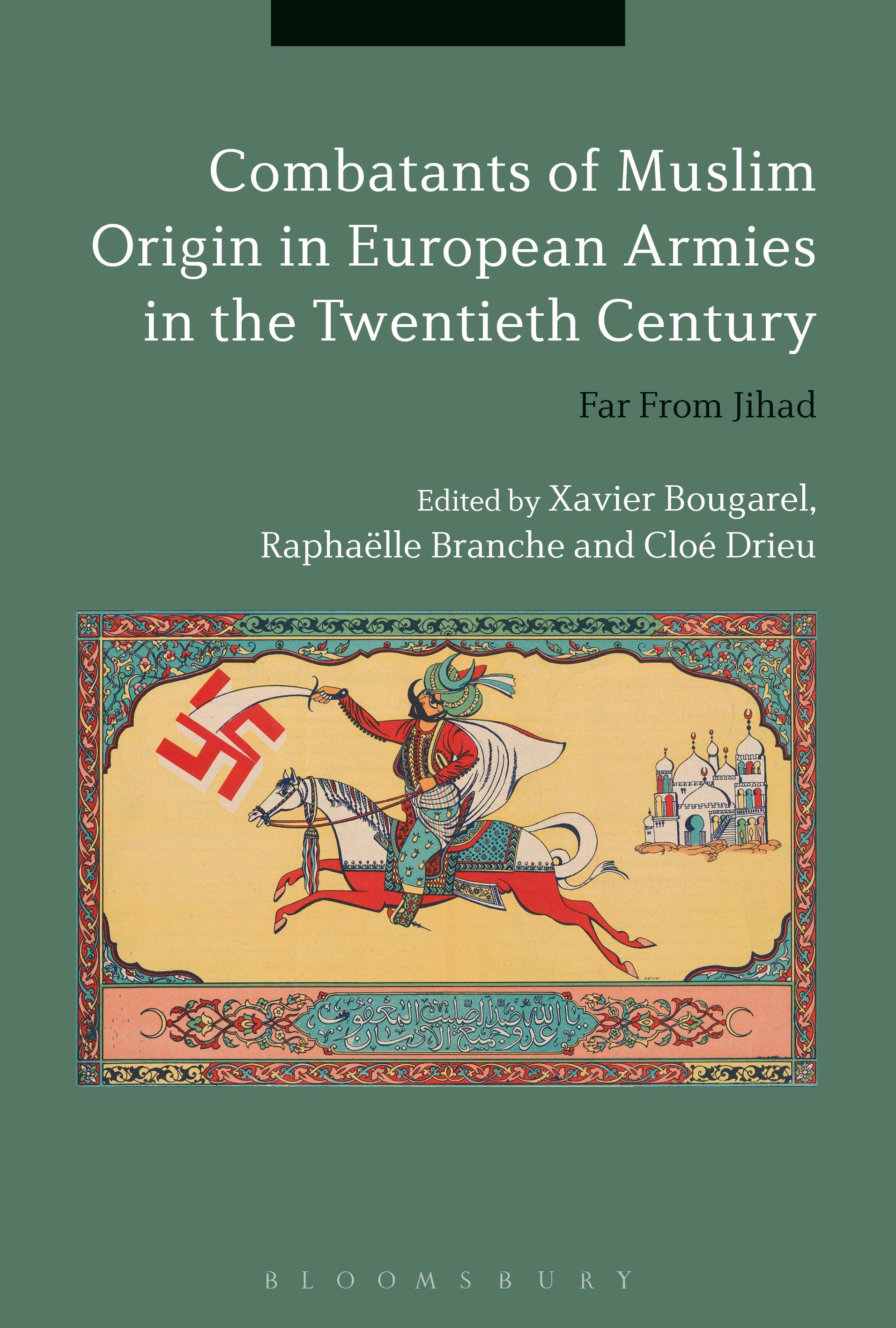
During the two World Wars that marked the 20th century, hundreds of thousands of non-European combatants fought in the ranks of various European armies. The majority of these soldiers were Muslims from North Africa, Sub-Saharan Africa, Central Asia, or the Indian Subcontinent.
How are these combatants considered in existing historiography? Over the past few decades, research on war has experienced a wide-reaching renewal, with increased emphasis on the social and cultural dimensions of war, and a desire to reconstruct the experience and viewpoint of the combatants themselves. This volume reintroduces the question of religious belonging and practice into the study of Muslim combatants in European armies in the 20th century, focusing on the combatants' viewpoint alongside that of the administrations and military hierarchy.
How are these combatants considered in existing historiography? Over the past few decades, research on war has experienced a wide-reaching renewal, with increased emphasis on the social and cultural dimensions of war, and a desire to reconstruct the experience and viewpoint of the combatants themselves. This volume reintroduces the question of religious belonging and practice into the study of Muslim combatants in European armies in the 20th century, focusing on the combatants' viewpoint alongside that of the administrations and military hierarchy.
Maksa helposti kortilla, Klarnalla, Apple Paylla tai Google Paylla. Etkö ole tyytyväinen? Sinulla on aina 14 päivän palautusoikeus. Lue lisää ehdoistamme. Jos sinulla on kysyttävää, lähetä meille sähköpostia osoitteeseen hello@memmo.org.
Memmo tekee opiskelusta helpompaa – missä päin maailmaa ikinä oletkin. Meillä yhdistät kurssikirjat ja fiksut opiskelutyökalut yhteen paikkaan: tiivistelmät, visat, podcastit ja muistikortit. Ja sitten Ted, opiskelukaverisi, joka vastaa kaikkeen, mitä ikinä mietitkin. Yli 50 000 opiskelijaa opiskelee jo täällä – rakennettu auttamaan sinua oppimaan nopeammin ja stressaamaan vähemmän.