
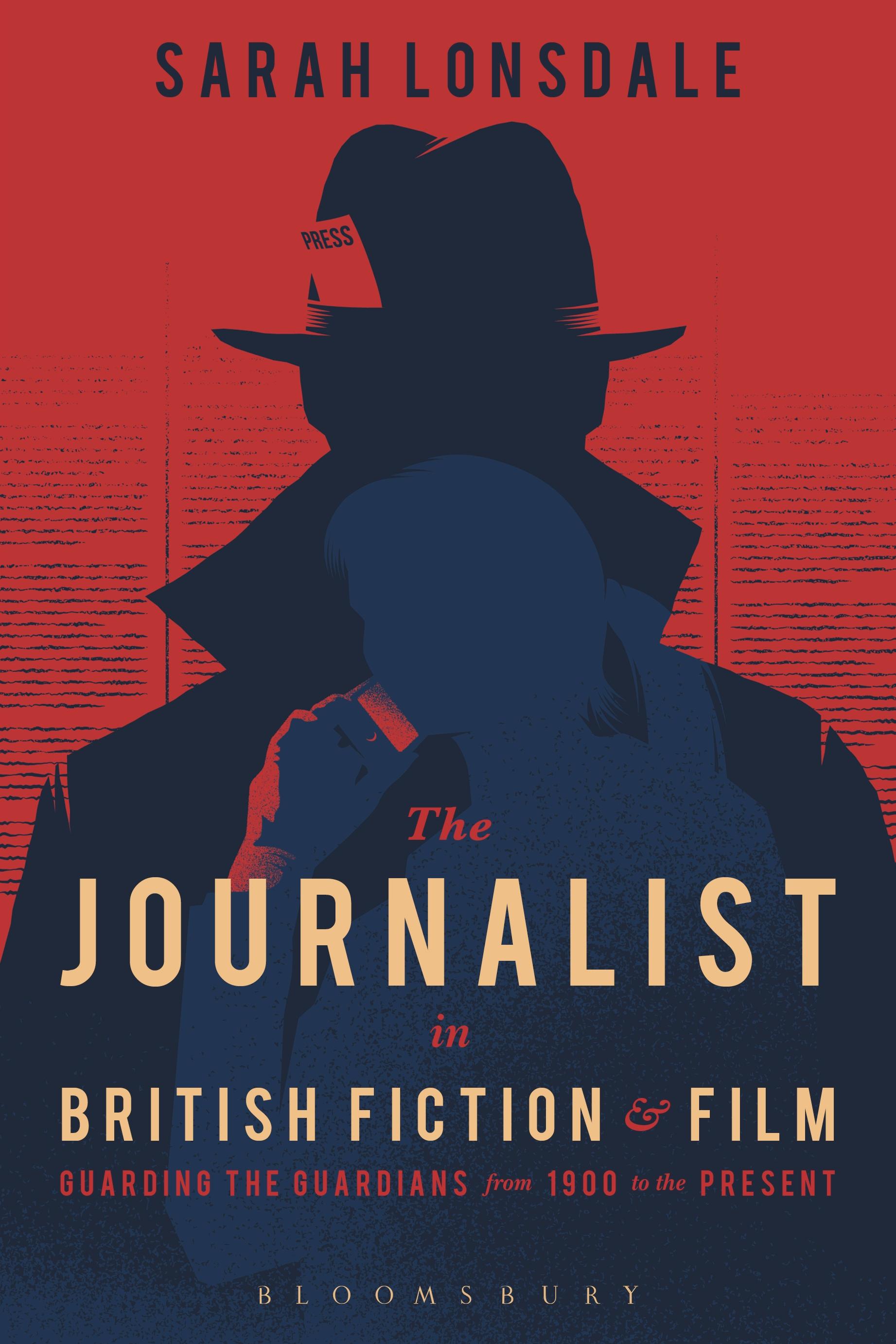
Why did Edwardian novelists portray journalists as swashbuckling, truth-seeking super-heroes whereas post-WW2 depictions present the journalist as alienated outsider? Why are contemporary fictional journalists often deranged, murderous or intensely vulnerable? As newspaper journalism faces the double crisis of a lack of trust post-Leveson, and a lack of influence in the fragmented internet age, how do cultural producers view journalists and their role in society today?
In The Journalist in British Fiction and Film Sarah Lonsdale traces the ways in which journalists and newspapers have been depicted in fiction, theatre and film from the dawn of the mass popular press to the present day. The book asks first how journalists were represented in various distinct periods of the 20th century and then attempts to explain why these representations vary so widely. This is a history of the British press, told not by historians and sociologists, but by writers and directors as well as journalists themselves. In uncovering dozens of forgotten fictions, Sarah Lonsdale explores the bare-knuckled literary combat conducted by writers contesting the disputed boundaries between literature and journalism. Within these texts and films there is perhaps also a clue as to how the best aspects of 'Fourth estate' journalism can survive in the digital age.
Authors covered in the volume include: Martin Amis, Graham Greene, George Orwell, Pat Barker, Evelyn Waugh, Elizabeth Bowen, Arnold Wesker and Rudyard Kipling. Television and films covered include House of Cards (US and UK versions), Spotlight, Defence of the Realm, Secret State and State of Play.
In The Journalist in British Fiction and Film Sarah Lonsdale traces the ways in which journalists and newspapers have been depicted in fiction, theatre and film from the dawn of the mass popular press to the present day. The book asks first how journalists were represented in various distinct periods of the 20th century and then attempts to explain why these representations vary so widely. This is a history of the British press, told not by historians and sociologists, but by writers and directors as well as journalists themselves. In uncovering dozens of forgotten fictions, Sarah Lonsdale explores the bare-knuckled literary combat conducted by writers contesting the disputed boundaries between literature and journalism. Within these texts and films there is perhaps also a clue as to how the best aspects of 'Fourth estate' journalism can survive in the digital age.
Authors covered in the volume include: Martin Amis, Graham Greene, George Orwell, Pat Barker, Evelyn Waugh, Elizabeth Bowen, Arnold Wesker and Rudyard Kipling. Television and films covered include House of Cards (US and UK versions), Spotlight, Defence of the Realm, Secret State and State of Play.
Sivuja: 272
Kategoria: Film- & Medievetenskap
e-ISBN: 9781474220552
Lähetyspaino: 1.2 kg
Toimitusaika: 1-2 päivää
Maksa helposti kortilla, Klarnalla, Apple Paylla tai Google Paylla. Etkö ole tyytyväinen? Sinulla on aina 14 päivän palautusoikeus. Lue lisää ehdoistamme. Jos sinulla on kysyttävää, lähetä meille sähköpostia osoitteeseen hello@memmo.org.
Memmo tekee opiskelusta helpompaa – missä päin maailmaa ikinä oletkin. Meillä yhdistät kurssikirjat ja fiksut opiskelutyökalut yhteen paikkaan: tiivistelmät, visat, podcastit ja muistikortit. Ja sitten Ted, opiskelukaverisi, joka vastaa kaikkeen, mitä ikinä mietitkin. Yli 50 000 opiskelijaa opiskelee jo täällä – rakennettu auttamaan sinua oppimaan nopeammin ja stressaamaan vähemmän.