
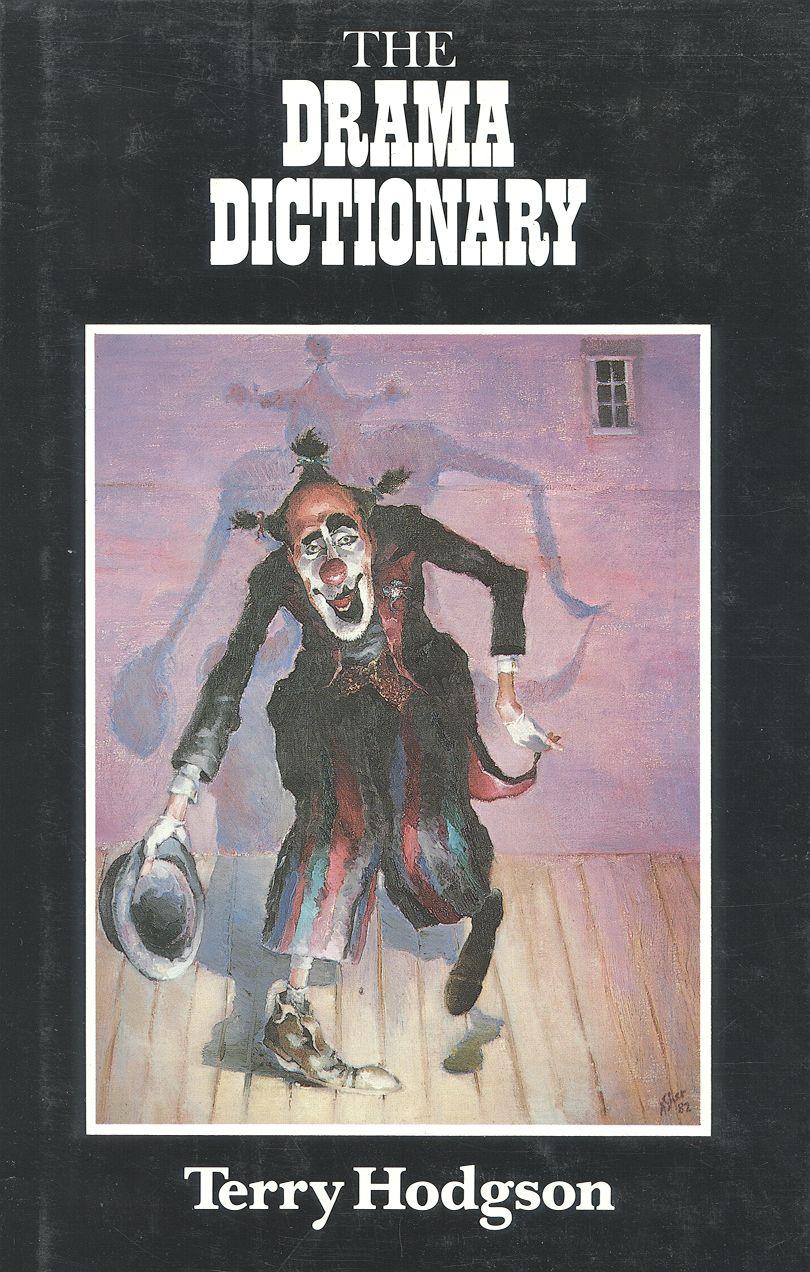
This comprehensive reference work is designed to be a single source to which readers may turn for guidance on dramatic theory and practice. It therefore concentrates on critical and technical concepts and terms rather than on theatre history or biography.
The book contains some 1300 entries varying in length from a few words to several hundred. The terms included relate to the forms of drama (e.g. epic, mime, farce, comedy of manners, tragi-comedy, etc.); to different kinds of stage (thrust, picture-frame, arena, etc.); to technical stage terms (tabs, proscenium arch, sightlines, etc.); to acting terms, including colloquialisms (fluff, corpse-as well as duologue, soliloquy, cross below, upstage, etc.) They also include the critical terms of important theoreticians (e.g. superobjective, magic 'if', throughline, alienation, montage) and the obvious foreign terms (hamartia, peripeteia, etc.).
Dramatic movements and styles are described (naturalism, expressionism, neo-classical, Jacobean, etc.), together with terms relating to costume (e.g. buskins), character types (of, say, the Commedia dell'Arte) and dramatic structure (climax, curtain, pace and tempo, episode, chorus, etc.).
The entries are fully cross-referenced, and are supported by ample suggestions for further reading and a selection of line drawings illustrating key points in the text.
The book contains some 1300 entries varying in length from a few words to several hundred. The terms included relate to the forms of drama (e.g. epic, mime, farce, comedy of manners, tragi-comedy, etc.); to different kinds of stage (thrust, picture-frame, arena, etc.); to technical stage terms (tabs, proscenium arch, sightlines, etc.); to acting terms, including colloquialisms (fluff, corpse-as well as duologue, soliloquy, cross below, upstage, etc.) They also include the critical terms of important theoreticians (e.g. superobjective, magic 'if', throughline, alienation, montage) and the obvious foreign terms (hamartia, peripeteia, etc.).
Dramatic movements and styles are described (naturalism, expressionism, neo-classical, Jacobean, etc.), together with terms relating to costume (e.g. buskins), character types (of, say, the Commedia dell'Arte) and dramatic structure (climax, curtain, pace and tempo, episode, chorus, etc.).
The entries are fully cross-referenced, and are supported by ample suggestions for further reading and a selection of line drawings illustrating key points in the text.
Maksa helposti kortilla, Klarnalla, Apple Paylla tai Google Paylla. Etkö ole tyytyväinen? Sinulla on aina 14 päivän palautusoikeus. Lue lisää ehdoistamme. Jos sinulla on kysyttävää, lähetä meille sähköpostia osoitteeseen hello@memmo.org.
Memmo tekee opiskelusta helpompaa – missä päin maailmaa ikinä oletkin. Meillä yhdistät kurssikirjat ja fiksut opiskelutyökalut yhteen paikkaan: tiivistelmät, visat, podcastit ja muistikortit. Ja sitten Ted, opiskelukaverisi, joka vastaa kaikkeen, mitä ikinä mietitkin. Yli 50 000 opiskelijaa opiskelee jo täällä – rakennettu auttamaan sinua oppimaan nopeammin ja stressaamaan vähemmän.