
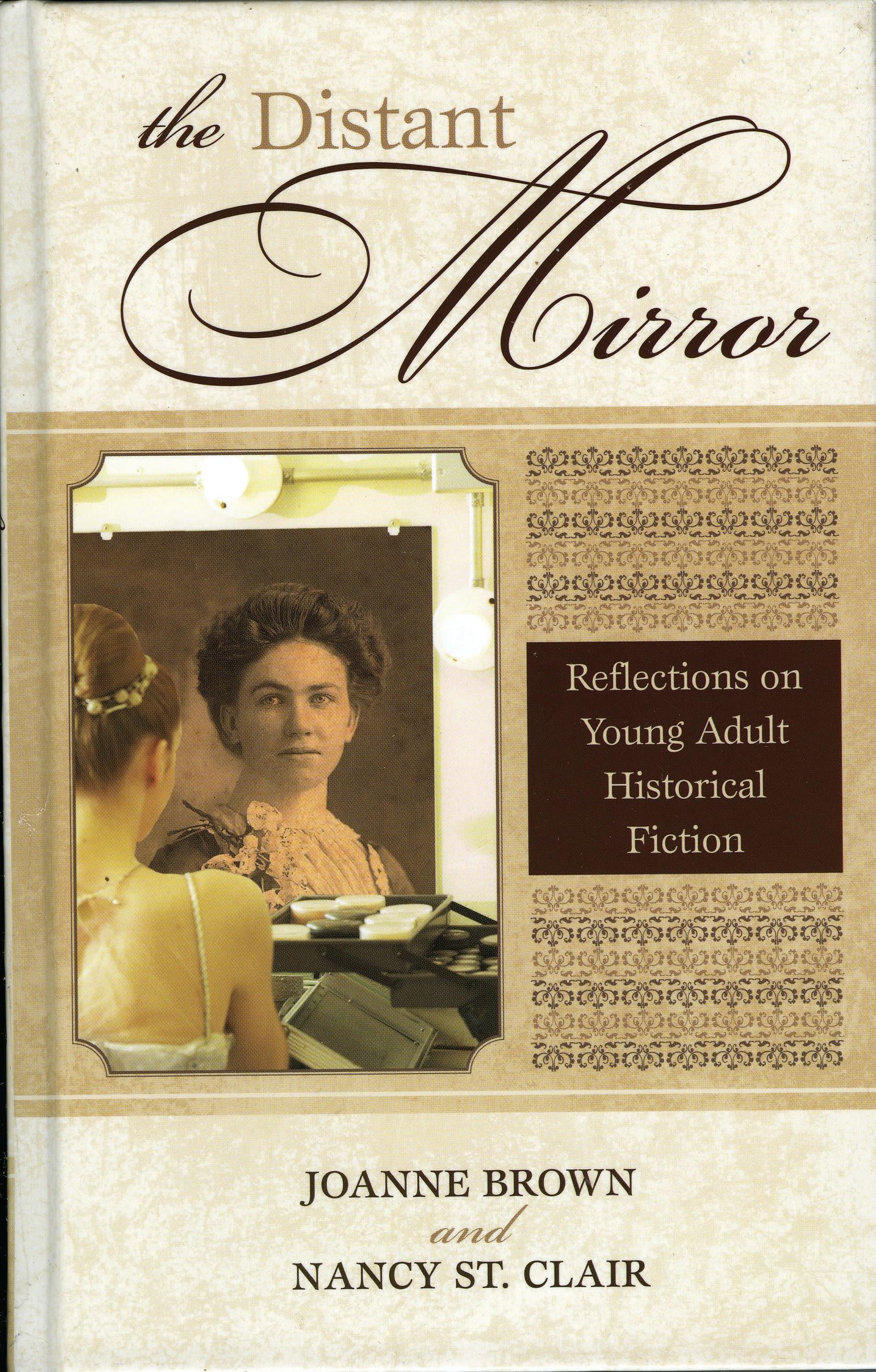
Young adult historical fiction brings the past alive through stories of adventure, suspense, and mystery. The genre is both complex and controversial, encompassing novels that range from romance and fantasy to stark historical realism. The book examines the various approaches to young adult historical fiction and explores the issues that it has engendered.
Part One focuses on the broader issues spawned by the genre itself, including its various subgenres - the line between fiction and fact; to what degree must an author adhere to historical accuracy?; time boundaries; the diary format; the protagonist as the outsider; who is entitled to write what?; and literary concerns such as the relationship between accuracy and readability. Part Two explores issues of contemporary interest, such as race, class, gender, the immigrant experience, religion, war, and nationalism. Thought-provoking discussions of how these elements are treated in historical novels, with emphasis on how current cultural values have shaped the fiction, are presented. Finally, the question of whether novels in this genre are bound by anything other than their respective period setting is posed, and it is contended that there are features common to YA historical novels that not only set the genre apart from other YA fiction, but also contribute something unique to the larger genre.
The genesis for much classroom debate, suggestions for class discussions and writing assignments as well as sample written responses of these debates from the authors' classes are included. Teachers, librarians, instructors of young adult literature courses, and teen readers will find this an insightful analysis of YA historical fiction.
Part One focuses on the broader issues spawned by the genre itself, including its various subgenres - the line between fiction and fact; to what degree must an author adhere to historical accuracy?; time boundaries; the diary format; the protagonist as the outsider; who is entitled to write what?; and literary concerns such as the relationship between accuracy and readability. Part Two explores issues of contemporary interest, such as race, class, gender, the immigrant experience, religion, war, and nationalism. Thought-provoking discussions of how these elements are treated in historical novels, with emphasis on how current cultural values have shaped the fiction, are presented. Finally, the question of whether novels in this genre are bound by anything other than their respective period setting is posed, and it is contended that there are features common to YA historical novels that not only set the genre apart from other YA fiction, but also contribute something unique to the larger genre.
The genesis for much classroom debate, suggestions for class discussions and writing assignments as well as sample written responses of these debates from the authors' classes are included. Teachers, librarians, instructors of young adult literature courses, and teen readers will find this an insightful analysis of YA historical fiction.
Maksa helposti kortilla, Klarnalla, Apple Paylla tai Google Paylla. Etkö ole tyytyväinen? Sinulla on aina 14 päivän palautusoikeus. Lue lisää ehdoistamme. Jos sinulla on kysyttävää, lähetä meille sähköpostia osoitteeseen hello@memmo.org.
Memmo tekee opiskelusta helpompaa – missä päin maailmaa ikinä oletkin. Meillä yhdistät kurssikirjat ja fiksut opiskelutyökalut yhteen paikkaan: tiivistelmät, visat, podcastit ja muistikortit. Ja sitten Ted, opiskelukaverisi, joka vastaa kaikkeen, mitä ikinä mietitkin. Yli 50 000 opiskelijaa opiskelee jo täällä – rakennettu auttamaan sinua oppimaan nopeammin ja stressaamaan vähemmän.