
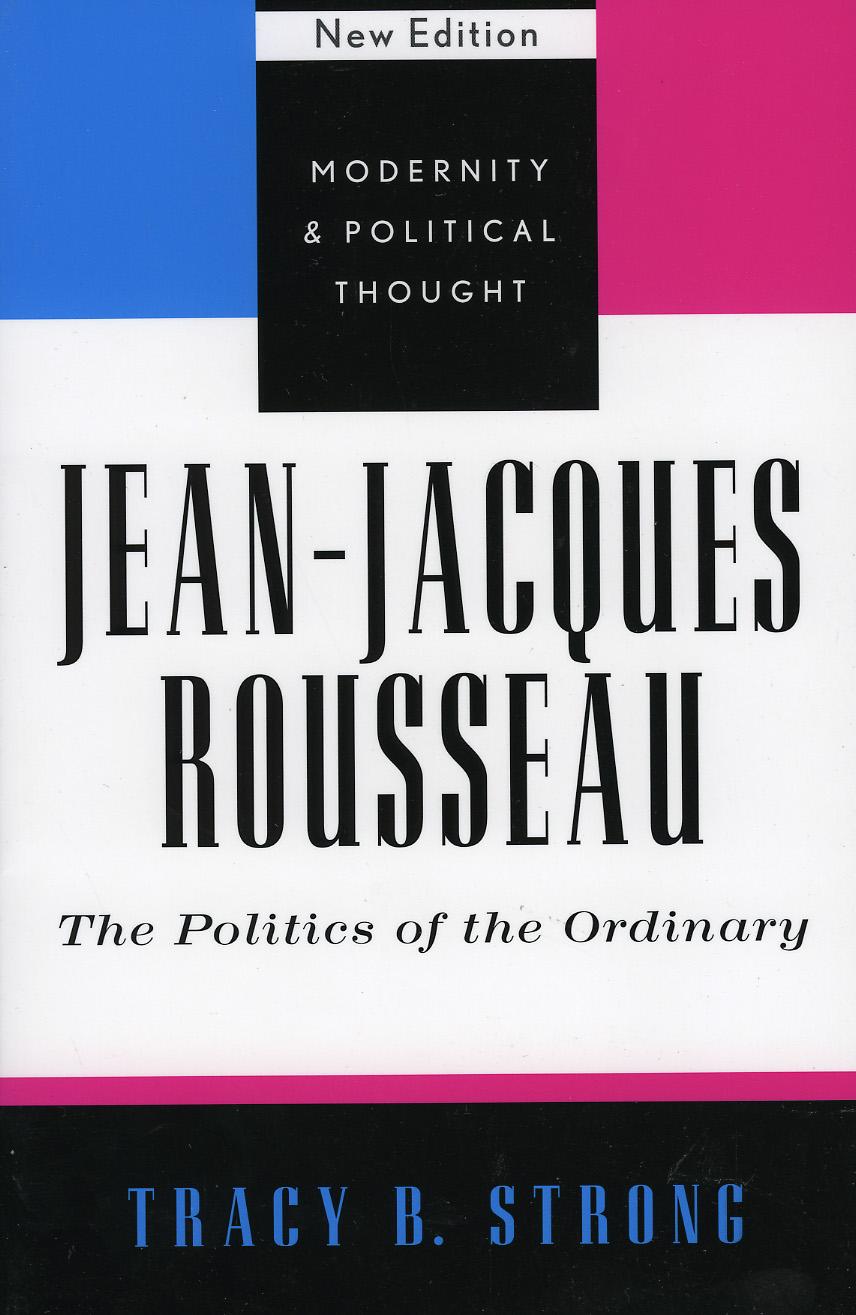
Rousseau is most often read either as a theorist of individual authenticity or as a communitarian. In this book, he is neither. Instead, Rousseau is understood as a theorist of the common person. In Strong's understanding, Rousseau's use of 'common' always refers both to that which is common and to that which is ordinary, vulgar, everyday. For Strong, Rousseau resonates with Kant, Hegel, and Marx, but he is more modern like Emerson, Nietzsche, Eittegenstein, and Heidegger. Rousseau's democratic individual is an ordinary self, paradoxically multiple and not singular. In the course of exploring this contention, Strong examines Rousseau's fear of authorship (though not of authority), his understanding of the human, his attempt to overcome the scandal that relativism posed for politics, and the political importance of sexuality.
Maksa helposti kortilla, Klarnalla, Apple Paylla tai Google Paylla. Etkö ole tyytyväinen? Sinulla on aina 14 päivän palautusoikeus. Lue lisää ehdoistamme. Jos sinulla on kysyttävää, lähetä meille sähköpostia osoitteeseen hello@memmo.org.
Memmo tekee opiskelusta helpompaa – missä päin maailmaa ikinä oletkin. Meillä yhdistät kurssikirjat ja fiksut opiskelutyökalut yhteen paikkaan: tiivistelmät, visat, podcastit ja muistikortit. Ja sitten Ted, opiskelukaverisi, joka vastaa kaikkeen, mitä ikinä mietitkin. Yli 50 000 opiskelijaa opiskelee jo täällä – rakennettu auttamaan sinua oppimaan nopeammin ja stressaamaan vähemmän.