
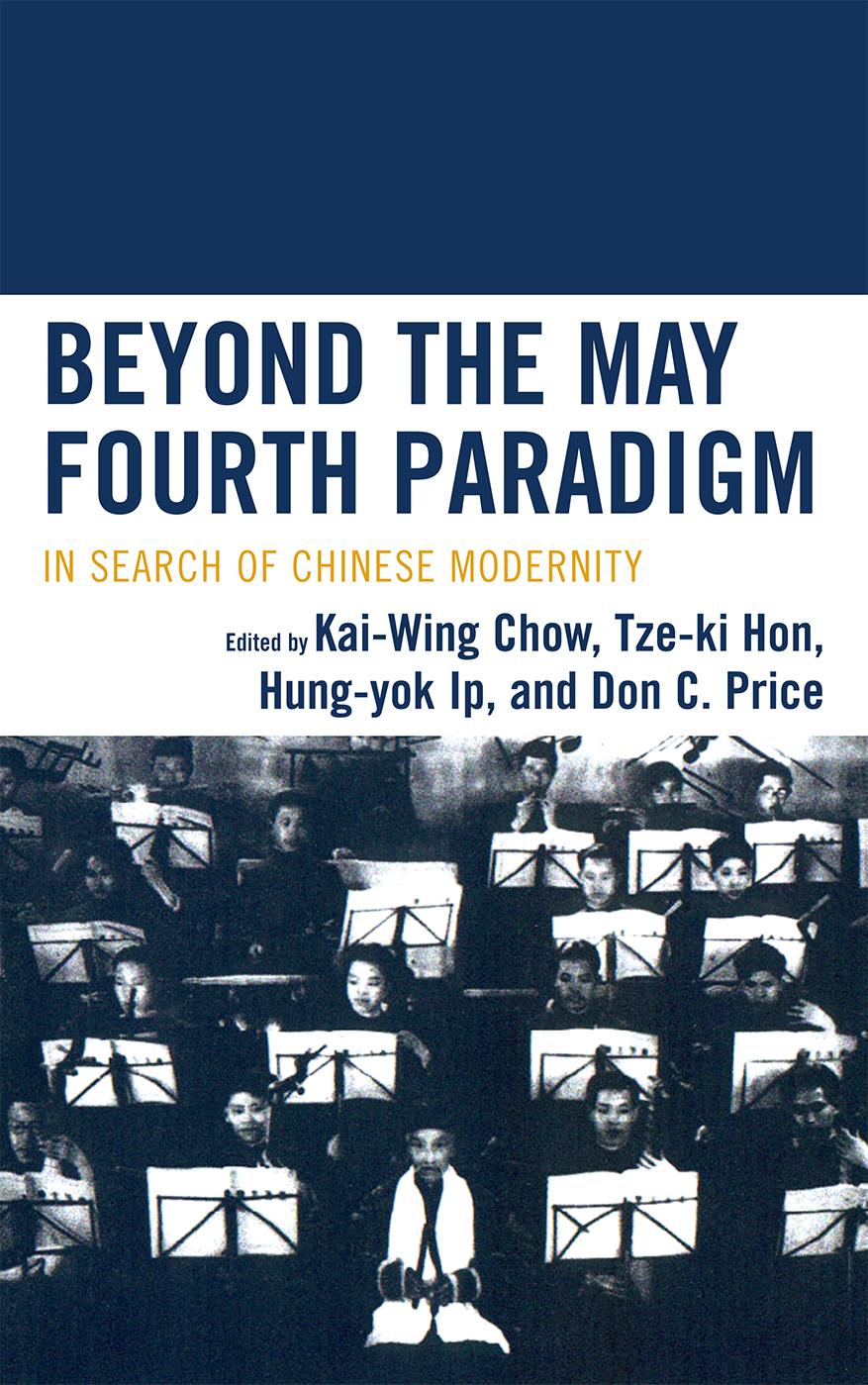
When did China make the decisive turn from tradition to modernity? For decades, the received wisdom would have pointed to the May Fourth movement, with its titanic battles between the champions of iconoclasm and the traditionalists, and its shift to more populist forms of politics. A growing body of recent research has, however, called into question how decisive the turn was, when it happened, and what relation the resulting modernity bore to the agendas of people who might have considered themselves representatives of such an iconoclastic movement. Having thus explicitly or implicitly 'decentered' the May Fourth, such research (augmented by contributions in the present volume) leaves us with the task of accounting for the shape Chinese modernity took, as the product of dialogues and debates between, and the interplay of, a variety of actors and trends, both within and (certainly no less importantly) without the May Fourth camp.
Maksa helposti kortilla, Klarnalla, Apple Paylla tai Google Paylla. Etkö ole tyytyväinen? Sinulla on aina 14 päivän palautusoikeus. Lue lisää ehdoistamme. Jos sinulla on kysyttävää, lähetä meille sähköpostia osoitteeseen hello@memmo.org.
Memmo tekee opiskelusta helpompaa – missä päin maailmaa ikinä oletkin. Meillä yhdistät kurssikirjat ja fiksut opiskelutyökalut yhteen paikkaan: tiivistelmät, visat, podcastit ja muistikortit. Ja sitten Ted, opiskelukaverisi, joka vastaa kaikkeen, mitä ikinä mietitkin. Yli 50 000 opiskelijaa opiskelee jo täällä – rakennettu auttamaan sinua oppimaan nopeammin ja stressaamaan vähemmän.