
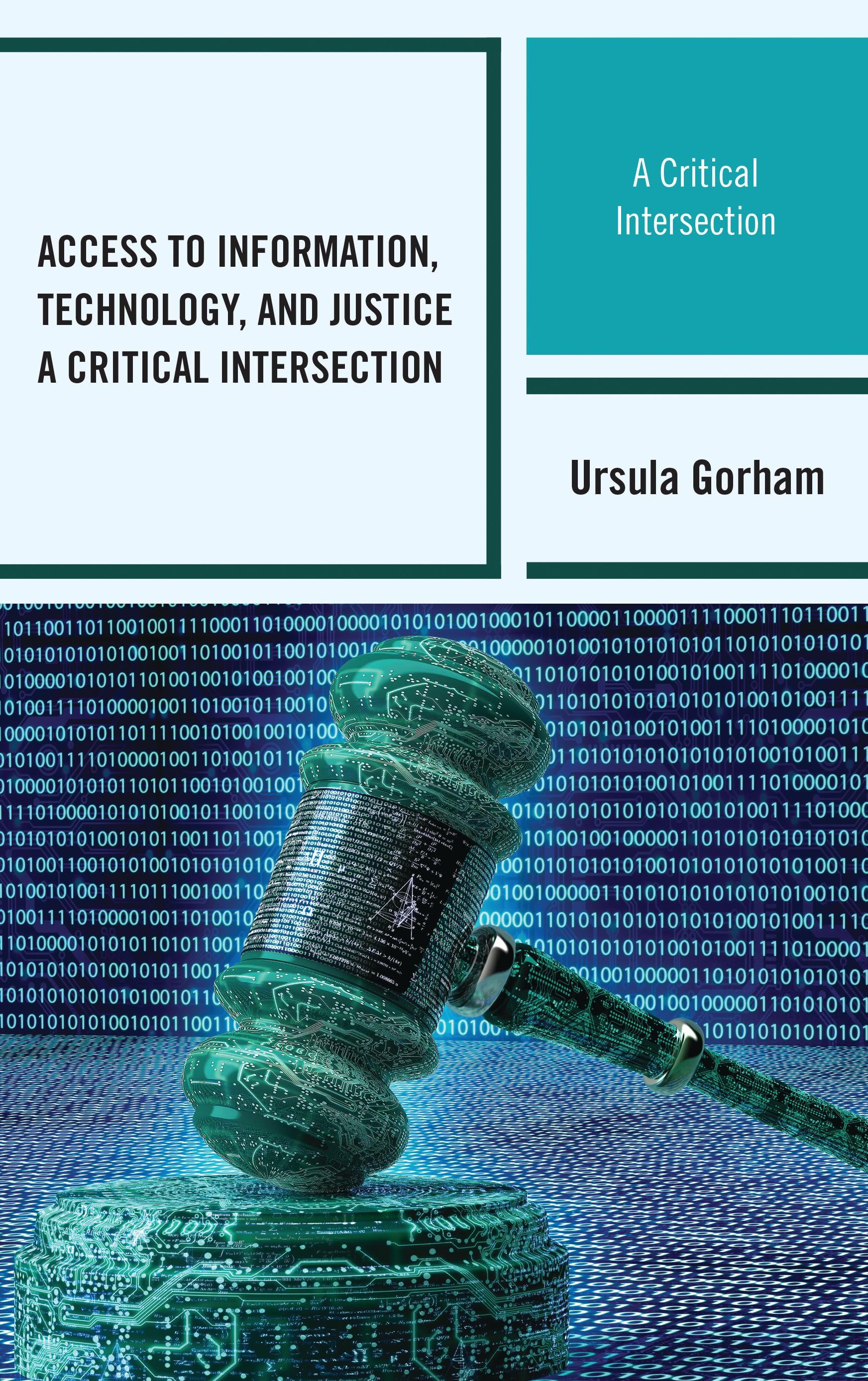
Over the past fifteen years, the dramatic increase of online self-help legal re-sources, information, and tools specifically developed for use by low-income individuals without legal counsel has been promoted as one way to help those individuals who are caught in this “justice gap.” Unfortunately, however, opportunities arising from the Internet and related information and communication technologies do not accrue to everyone equally as physical, intellectual, and social barriers to information persist.
Access to Information, Technology, and Justice: A Critical Intersection, as the first ever book length examination of the use of technology to expand access to justice in the United States, highlights an emerging paradox wherein the technological transformation that has created an increasing array of legal self-help resources and services is also creating barriers to access for disadvantaged individuals. Those who cannot read, those who do not speak the English language, those who are unfamiliar with the law, and those with limited digital literacy skills all find themselves at a fundamental disadvantage. The legal community has only begun to examine whether these resources and services are, in fact, meeting the needs of struggling self-help users. This book builds upon existing work in this area by undertaking an in-depth exploration of how information and communication technologies are changing – and failing to change – the legal in-formation landscape for those who most need this information. Drawing upon the ongoing collaborative efforts of legal aid organizations, libraries, courts, and non-profit organizations, this book provides a framework for removing barriers to equitable access to legal information, with the ultimate goal of encouraging continued discussion and action.
Access to Information, Technology, and Justice: A Critical Intersection, as the first ever book length examination of the use of technology to expand access to justice in the United States, highlights an emerging paradox wherein the technological transformation that has created an increasing array of legal self-help resources and services is also creating barriers to access for disadvantaged individuals. Those who cannot read, those who do not speak the English language, those who are unfamiliar with the law, and those with limited digital literacy skills all find themselves at a fundamental disadvantage. The legal community has only begun to examine whether these resources and services are, in fact, meeting the needs of struggling self-help users. This book builds upon existing work in this area by undertaking an in-depth exploration of how information and communication technologies are changing – and failing to change – the legal in-formation landscape for those who most need this information. Drawing upon the ongoing collaborative efforts of legal aid organizations, libraries, courts, and non-profit organizations, this book provides a framework for removing barriers to equitable access to legal information, with the ultimate goal of encouraging continued discussion and action.
Maksa helposti kortilla, Klarnalla, Apple Paylla tai Google Paylla. Etkö ole tyytyväinen? Sinulla on aina 14 päivän palautusoikeus. Lue lisää ehdoistamme. Jos sinulla on kysyttävää, lähetä meille sähköpostia osoitteeseen hello@memmo.org.
Memmo tekee opiskelusta helpompaa – missä päin maailmaa ikinä oletkin. Meillä yhdistät kurssikirjat ja fiksut opiskelutyökalut yhteen paikkaan: tiivistelmät, visat, podcastit ja muistikortit. Ja sitten Ted, opiskelukaverisi, joka vastaa kaikkeen, mitä ikinä mietitkin. Yli 50 000 opiskelijaa opiskelee jo täällä – rakennettu auttamaan sinua oppimaan nopeammin ja stressaamaan vähemmän.