
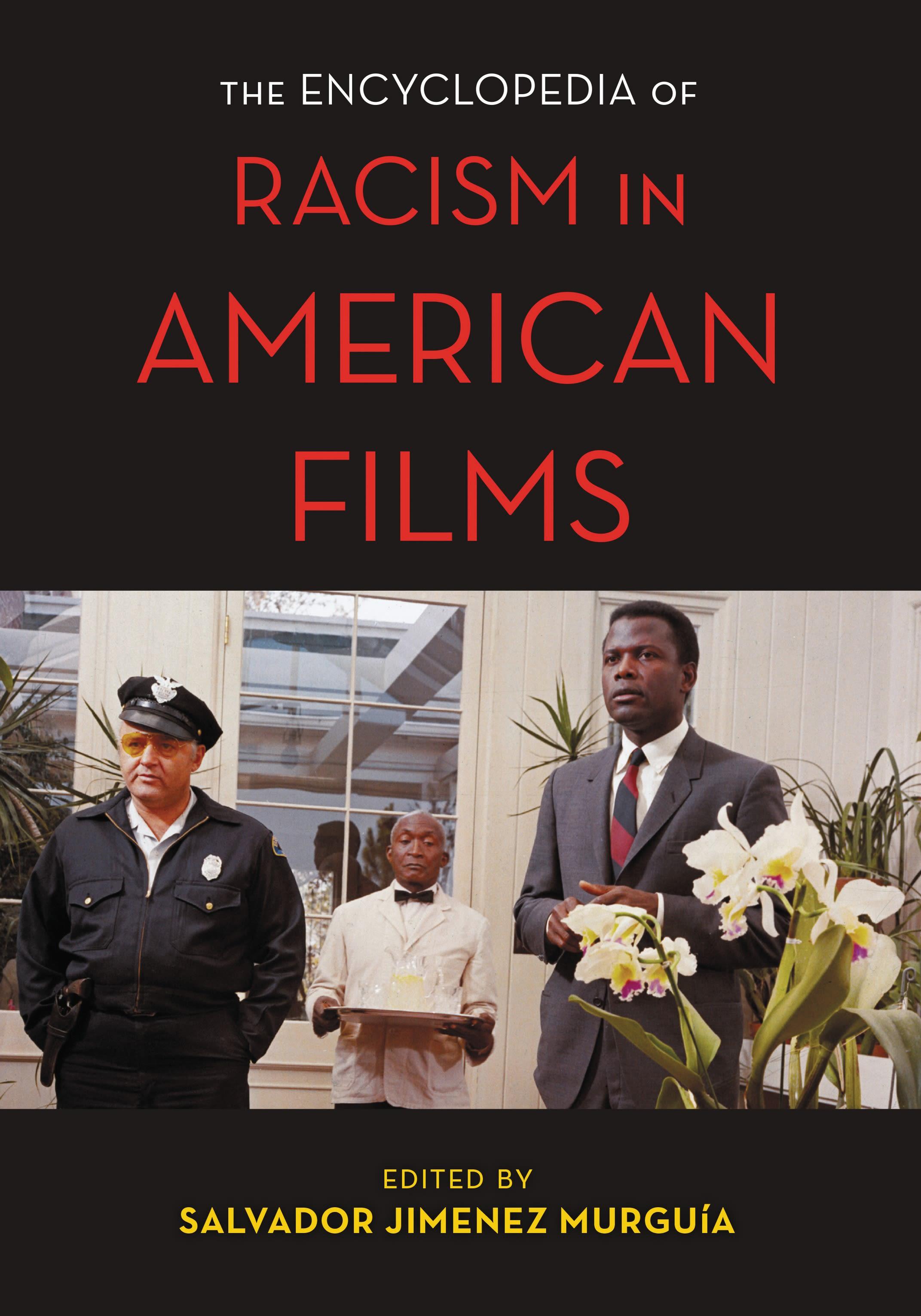
Winner, RUSA 2019 Outstanding References Source Winner and named a Library Journal Best Reference Book of the Year 2018
From D.W. Griffith’s Birth of a Nation in 1915 to the recent Get Out, audiences and critics alike have responded to racism in motion pictures for more than a century. Whether subtle or blatant, racially biased images and narratives erase minorities, perpetuate stereotypes, and keep alive practices of discrimination and marginalization. Even in the 21st century, the American film industry is not “color blind,” evidenced by films such as Babel (2006), A Better Life (2011), and 12 Years a Slave (2013).
The Encyclopedia of Racism in American Film documents one facet of racism in the film industry, wherein historically underrepresented peoples are misrepresented—through a lack of roles for actors of color, stereotyping, negative associations, and an absence of rich, nuanced characters. Offering insights and analysis from over seventy scholars, critics, and activists, the volume highlights issues such as:
Hollywood’s diversity crisisWhite Savior filmsMagic Negro tropesThe disconnect between screen images and lived realities of African Americans, Latinos, Native Americans, and Asians
A companion to the ever-growing field of race studies, this volume opens up a critical dialogue on an always timely issue. The Encyclopedia of Racism in American Film will appeal to scholars of cinema, race and ethnicity studies, and cultural history.
From D.W. Griffith’s Birth of a Nation in 1915 to the recent Get Out, audiences and critics alike have responded to racism in motion pictures for more than a century. Whether subtle or blatant, racially biased images and narratives erase minorities, perpetuate stereotypes, and keep alive practices of discrimination and marginalization. Even in the 21st century, the American film industry is not “color blind,” evidenced by films such as Babel (2006), A Better Life (2011), and 12 Years a Slave (2013).
The Encyclopedia of Racism in American Film documents one facet of racism in the film industry, wherein historically underrepresented peoples are misrepresented—through a lack of roles for actors of color, stereotyping, negative associations, and an absence of rich, nuanced characters. Offering insights and analysis from over seventy scholars, critics, and activists, the volume highlights issues such as:
Hollywood’s diversity crisisWhite Savior filmsMagic Negro tropesThe disconnect between screen images and lived realities of African Americans, Latinos, Native Americans, and Asians
A companion to the ever-growing field of race studies, this volume opens up a critical dialogue on an always timely issue. The Encyclopedia of Racism in American Film will appeal to scholars of cinema, race and ethnicity studies, and cultural history.
Maksa helposti kortilla, Klarnalla, Apple Paylla tai Google Paylla. Etkö ole tyytyväinen? Sinulla on aina 14 päivän palautusoikeus. Lue lisää ehdoistamme. Jos sinulla on kysyttävää, lähetä meille sähköpostia osoitteeseen hello@memmo.org.
Memmo tekee opiskelusta helpompaa – missä päin maailmaa ikinä oletkin. Meillä yhdistät kurssikirjat ja fiksut opiskelutyökalut yhteen paikkaan: tiivistelmät, visat, podcastit ja muistikortit. Ja sitten Ted, opiskelukaverisi, joka vastaa kaikkeen, mitä ikinä mietitkin. Yli 50 000 opiskelijaa opiskelee jo täällä – rakennettu auttamaan sinua oppimaan nopeammin ja stressaamaan vähemmän.