
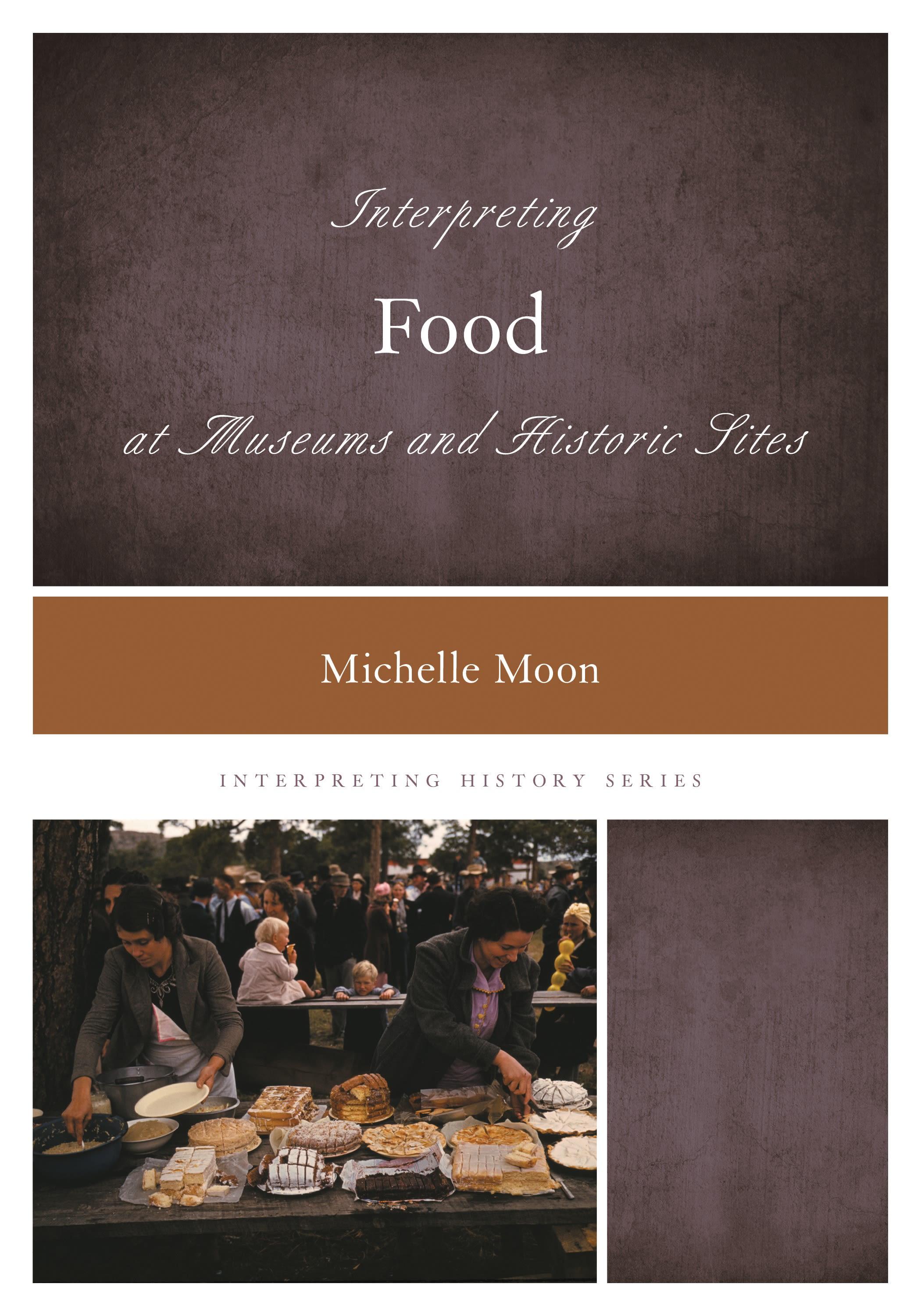
Food is such a friendly topic that it’s often thought of as a “hook” for engaging visitors – a familiar way into other topics, or a sensory element to round out a living history interpretation. But it’s more than just a hook – it’s a topic all its own, with its own history and its own uncertain future, deserving of a central place in historic interpretation. With audiences more interested in food than ever before, and new research in food studies bringing interdisciplinary approaches to this complicated but compelling subject, museums and historic sites have an opportunity to draw new audiences and infuse new meaning into their food presentations.
You’ll find:
A comprehensive, thematic framework of key concepts that will help you contextualize food history interpretations;A concise, evaluative review of the historiography of food interpretation;Case studies featuring the expression of these themes in the real world of museum interpretation; andBest practices for interpreting food.
Interpreting Food at Museums and Historic Sites offers a framework for understanding the big ideas in food history, suggesting best practices for linking objects, exhibits and demonstrations with the larger story of change in food production and consumption over the past two centuries – a story in which your visitors can see themselves, and explore their own relationships to food. This book can help you develop food interpretation with depth and significance, making relevant connections to contemporary issues and visitor interests.
You’ll find:
A comprehensive, thematic framework of key concepts that will help you contextualize food history interpretations;A concise, evaluative review of the historiography of food interpretation;Case studies featuring the expression of these themes in the real world of museum interpretation; andBest practices for interpreting food.
Interpreting Food at Museums and Historic Sites offers a framework for understanding the big ideas in food history, suggesting best practices for linking objects, exhibits and demonstrations with the larger story of change in food production and consumption over the past two centuries – a story in which your visitors can see themselves, and explore their own relationships to food. This book can help you develop food interpretation with depth and significance, making relevant connections to contemporary issues and visitor interests.
Maksa helposti kortilla, Klarnalla, Apple Paylla tai Google Paylla. Etkö ole tyytyväinen? Sinulla on aina 14 päivän palautusoikeus. Lue lisää ehdoistamme. Jos sinulla on kysyttävää, lähetä meille sähköpostia osoitteeseen hello@memmo.org.
Memmo tekee opiskelusta helpompaa – missä päin maailmaa ikinä oletkin. Meillä yhdistät kurssikirjat ja fiksut opiskelutyökalut yhteen paikkaan: tiivistelmät, visat, podcastit ja muistikortit. Ja sitten Ted, opiskelukaverisi, joka vastaa kaikkeen, mitä ikinä mietitkin. Yli 50 000 opiskelijaa opiskelee jo täällä – rakennettu auttamaan sinua oppimaan nopeammin ja stressaamaan vähemmän.