
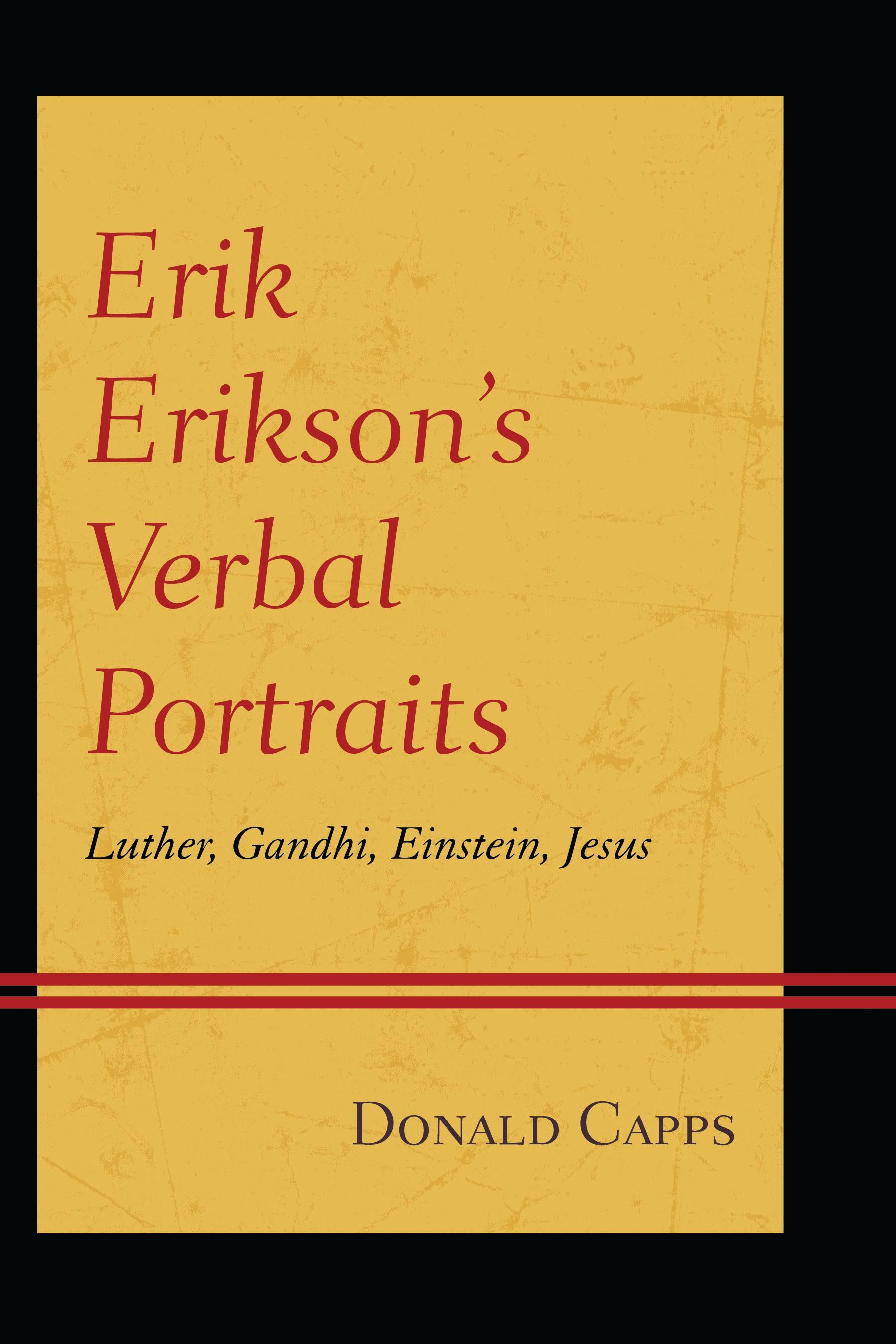
In his late teens and early twenties Erik H. Erikson, the widely acclaimed psychoanalyst and developmental theorist, aspired to be an artist. In Erik Erikson’s Verbal Portraits: Luther, Gandhi, Einstein, Jesus, Donald Cappscontends that Erikson’s portraits of respective historical figures not only reflect his artistic gifts but also make a highly creative contribution to psychoanalytic discourse. Moreover, his verbal portraits are vivid and compelling representations of his multifaceted conception of identity. His emphasis on the formative role of the mutual recognition of mother and infant in human portraiture, the importance he attaches to the Self and the sense of “I,” and his use of psychoanalysis as a means to experience the living presence of noteworthy historical figures are especially noted. In addition to his portraits of the four men, his brief verbal portrait of Ruth Benedict is presented, and his personal identification with a fifteenth century painting of Mary, the mother of Jesus, is also explored.
Maksa helposti kortilla, Klarnalla, Apple Paylla tai Google Paylla. Etkö ole tyytyväinen? Sinulla on aina 14 päivän palautusoikeus. Lue lisää ehdoistamme. Jos sinulla on kysyttävää, lähetä meille sähköpostia osoitteeseen hello@memmo.org.
Memmo tekee opiskelusta helpompaa – missä päin maailmaa ikinä oletkin. Meillä yhdistät kurssikirjat ja fiksut opiskelutyökalut yhteen paikkaan: tiivistelmät, visat, podcastit ja muistikortit. Ja sitten Ted, opiskelukaverisi, joka vastaa kaikkeen, mitä ikinä mietitkin. Yli 50 000 opiskelijaa opiskelee jo täällä – rakennettu auttamaan sinua oppimaan nopeammin ja stressaamaan vähemmän.