
What is a liberal arts education? How does it differ from other forms of learning? What are we to make of the debates that surround it? What are its place, its value, and its prospects in the contemporary world? These are questions that trouble students and their parents, educators, critics, and policy-makers, and philosophers of education--among others.
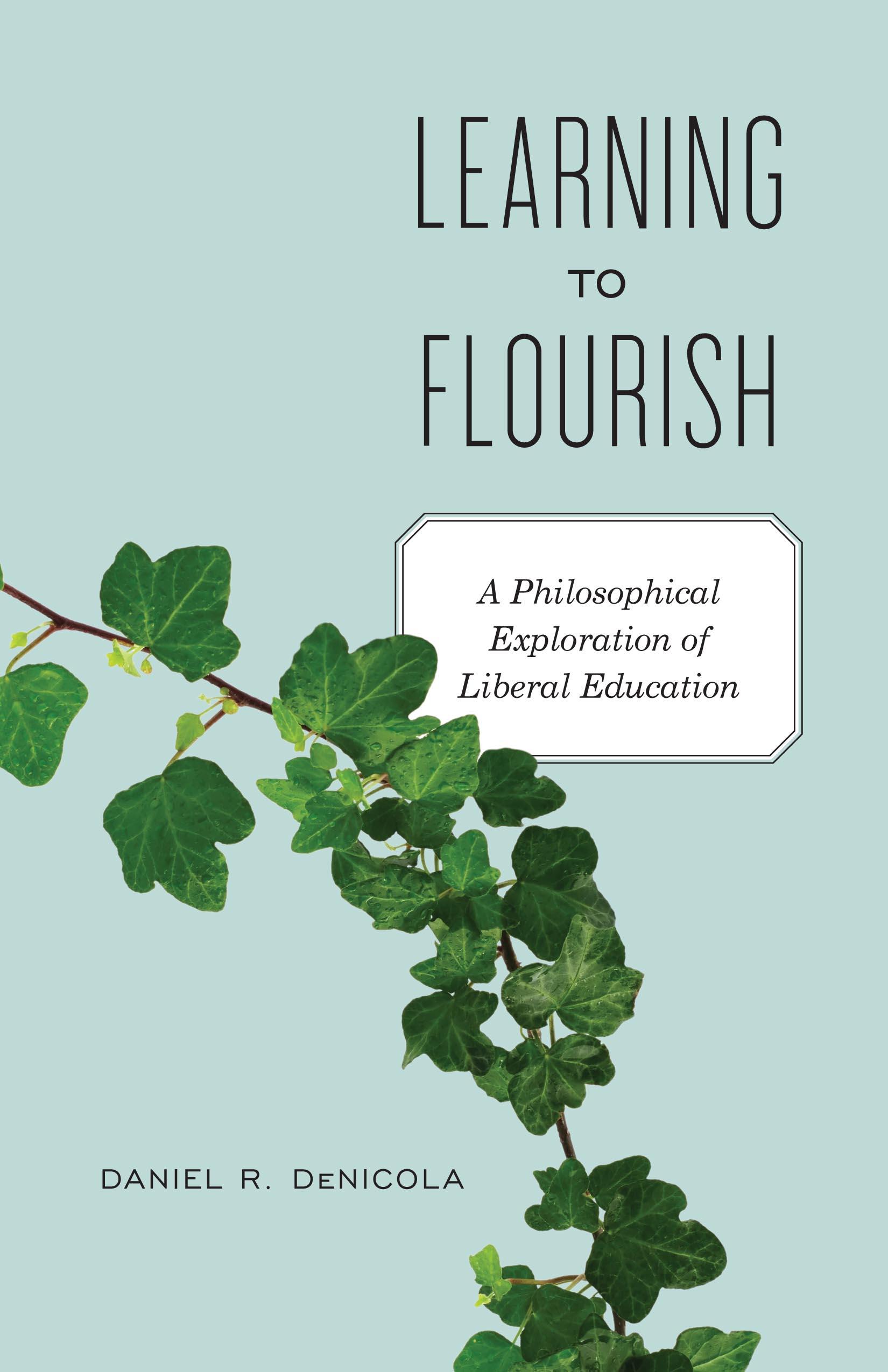
Learning to Flourish offers a lucid, penetrating, philosophical exploration of liberal learning: a still-evolving tradition of theory and practice that has dominated and sustained intellectual life and learning in much of the globe for two millennia. This study will be of interest to anyone seeking to understand liberal arts education, as well as to educators and philosophers of education.
Daniel R. DeNicola weighs the views of both advocates and critics of the liberal arts, and interprets liberal education as a vital tradition aimed supremely at understanding and living a flourishing life. He elaborates the tradition as expressed in five competing but complementary paradigms that transcend theories of curriculum and pedagogy and are manifested in particular social contexts. He examines the transformative power of liberal education and its relation to such values as freedom, autonomy, and democracy, reflecting on the importance of intrinsic value and moral understanding. Finally, DeNicola considers age-old obstacles and current threats to liberal education, ultimately asserting its value for and urgent need in a global, pluralistic, technologically advanced society. The result is a bold, yet nuanced theory, alert to both historical and contemporary discussions, and a significant contribution to the discourse on liberal education.
Learning to Flourish offers a lucid, penetrating, philosophical exploration of liberal learning: a still-evolving tradition of theory and practice that has dominated and sustained intellectual life and learning in much of the globe for two millennia. This study will be of interest to anyone seeking to understand liberal arts education, as well as to educators and philosophers of education.
Daniel R. DeNicola weighs the views of both advocates and critics of the liberal arts, and interprets liberal education as a vital tradition aimed supremely at understanding and living a flourishing life. He elaborates the tradition as expressed in five competing but complementary paradigms that transcend theories of curriculum and pedagogy and are manifested in particular social contexts. He examines the transformative power of liberal education and its relation to such values as freedom, autonomy, and democracy, reflecting on the importance of intrinsic value and moral understanding. Finally, DeNicola considers age-old obstacles and current threats to liberal education, ultimately asserting its value for and urgent need in a global, pluralistic, technologically advanced society. The result is a bold, yet nuanced theory, alert to both historical and contemporary discussions, and a significant contribution to the discourse on liberal education.
Maksa helposti kortilla, Klarnalla, Apple Paylla tai Google Paylla. Etkö ole tyytyväinen? Sinulla on aina 14 päivän palautusoikeus. Lue lisää ehdoistamme. Jos sinulla on kysyttävää, lähetä meille sähköpostia osoitteeseen hello@memmo.org.
Memmo tekee opiskelusta helpompaa – missä päin maailmaa ikinä oletkin. Meillä yhdistät kurssikirjat ja fiksut opiskelutyökalut yhteen paikkaan: tiivistelmät, visat, podcastit ja muistikortit. Ja sitten Ted, opiskelukaverisi, joka vastaa kaikkeen, mitä ikinä mietitkin. Yli 50 000 opiskelijaa opiskelee jo täällä – rakennettu auttamaan sinua oppimaan nopeammin ja stressaamaan vähemmän.