
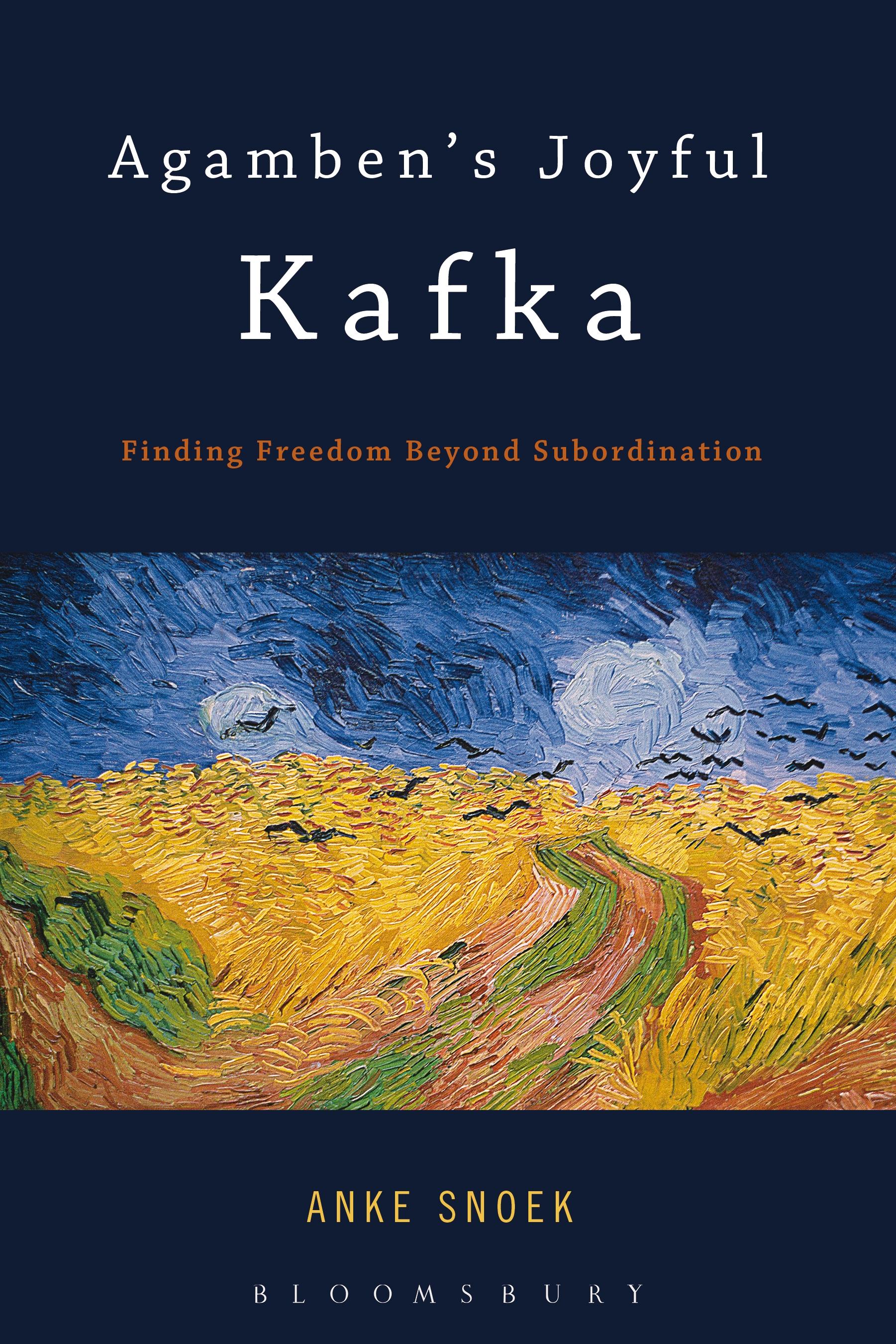
Both Giorgio Agamben and Franz Kafka are best known for their gloomy political worldview. A cautious study of Agamben's references on Kafka, however, reveals another dimension right at the intersection of their works: a complex and unorthodox theory of freedom. The inspiration emerges from Agamben's claims that 'it is a very poor reading of Kafka's works that sees in them only a summation of the anguish of a guilty man before the inscrutable power'. Virtually all of Kafka's stories leave us puzzled about what really happened. Was Josef K., who is butchered like a dog, defeated? And what about the meaningless but in his own way complete creature Odradek? Agamben's work sheds new light on these questions and arrives, through Kafka, at different strategies for freedom at the point where this freedom is most blatantly violated.
Maksa helposti kortilla, Klarnalla, Apple Paylla tai Google Paylla. Etkö ole tyytyväinen? Sinulla on aina 14 päivän palautusoikeus. Lue lisää ehdoistamme. Jos sinulla on kysyttävää, lähetä meille sähköpostia osoitteeseen hello@memmo.org.
Memmo tekee opiskelusta helpompaa – missä päin maailmaa ikinä oletkin. Meillä yhdistät kurssikirjat ja fiksut opiskelutyökalut yhteen paikkaan: tiivistelmät, visat, podcastit ja muistikortit. Ja sitten Ted, opiskelukaverisi, joka vastaa kaikkeen, mitä ikinä mietitkin. Yli 50 000 opiskelijaa opiskelee jo täällä – rakennettu auttamaan sinua oppimaan nopeammin ja stressaamaan vähemmän.