
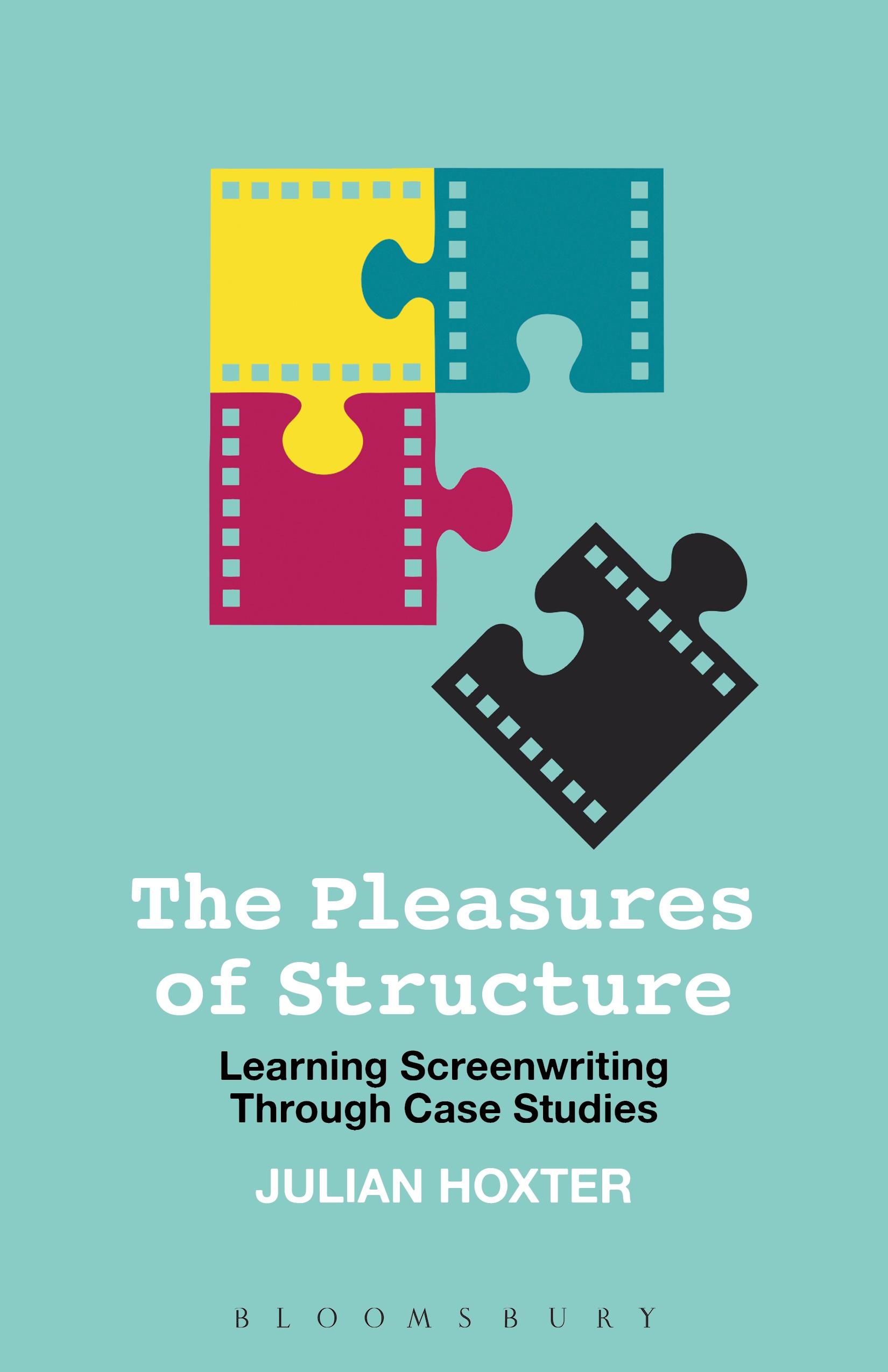
The Pleasures of Structure starts from the premise that the ability to develop a well understood and articulated story structure is the most important skill a screenwriter can develop. For example, good structure requires a great premise and rigorous character development. Without clear character motivations and goals--which are themselves indicative of key structural beats--your story is going exactly nowhere. Using the simple and flexible 'W' model of screenplay structure developed in the prequel Write What You Don't Know, Hoxter sets this out as its starting point. This model is tested against a range of examples which are chosen to explore the flexibility not only of that model but of movie storytelling more generally. Writers and students often worry that they are asked to work 'to formula'. This book will test that formula to breaking point.
For example, the first case study will offer the example of a well written, professional, mainstream movie against which our later and more adventurous examples can be compared. So the lessons we learn examining the animated family adventure movie How To Train Your Dragon lead us directly to ask questions of our second case study, the acclaimed Swedish vampire movie Låt den Rätte Komma In (Let The Right One In). Both movies have protagonists with the same basic problem, the same goal, and they use the same basic structure to tell their stories. Of course they are very different films and they work on their audiences in very different ways. Our linked case studies will expose how simple choices, like reversing the order of elements of the protagonist's transformational arc and shifting ownership of key story beats, has an enormous impact on how we respond to a structural model that is otherwise functionally identical.
For example, the first case study will offer the example of a well written, professional, mainstream movie against which our later and more adventurous examples can be compared. So the lessons we learn examining the animated family adventure movie How To Train Your Dragon lead us directly to ask questions of our second case study, the acclaimed Swedish vampire movie Låt den Rätte Komma In (Let The Right One In). Both movies have protagonists with the same basic problem, the same goal, and they use the same basic structure to tell their stories. Of course they are very different films and they work on their audiences in very different ways. Our linked case studies will expose how simple choices, like reversing the order of elements of the protagonist's transformational arc and shifting ownership of key story beats, has an enormous impact on how we respond to a structural model that is otherwise functionally identical.
Sivuja: 312
Kategoria: Film- & Medievetenskap
e-ISBN: 9781441164261
Lähetyspaino: 1.2 kg
Toimitusaika: 1-2 päivää
Maksa helposti kortilla, Klarnalla, Apple Paylla tai Google Paylla. Etkö ole tyytyväinen? Sinulla on aina 14 päivän palautusoikeus. Lue lisää ehdoistamme. Jos sinulla on kysyttävää, lähetä meille sähköpostia osoitteeseen hello@memmo.org.
Memmo tekee opiskelusta helpompaa – missä päin maailmaa ikinä oletkin. Meillä yhdistät kurssikirjat ja fiksut opiskelutyökalut yhteen paikkaan: tiivistelmät, visat, podcastit ja muistikortit. Ja sitten Ted, opiskelukaverisi, joka vastaa kaikkeen, mitä ikinä mietitkin. Yli 50 000 opiskelijaa opiskelee jo täällä – rakennettu auttamaan sinua oppimaan nopeammin ja stressaamaan vähemmän.