
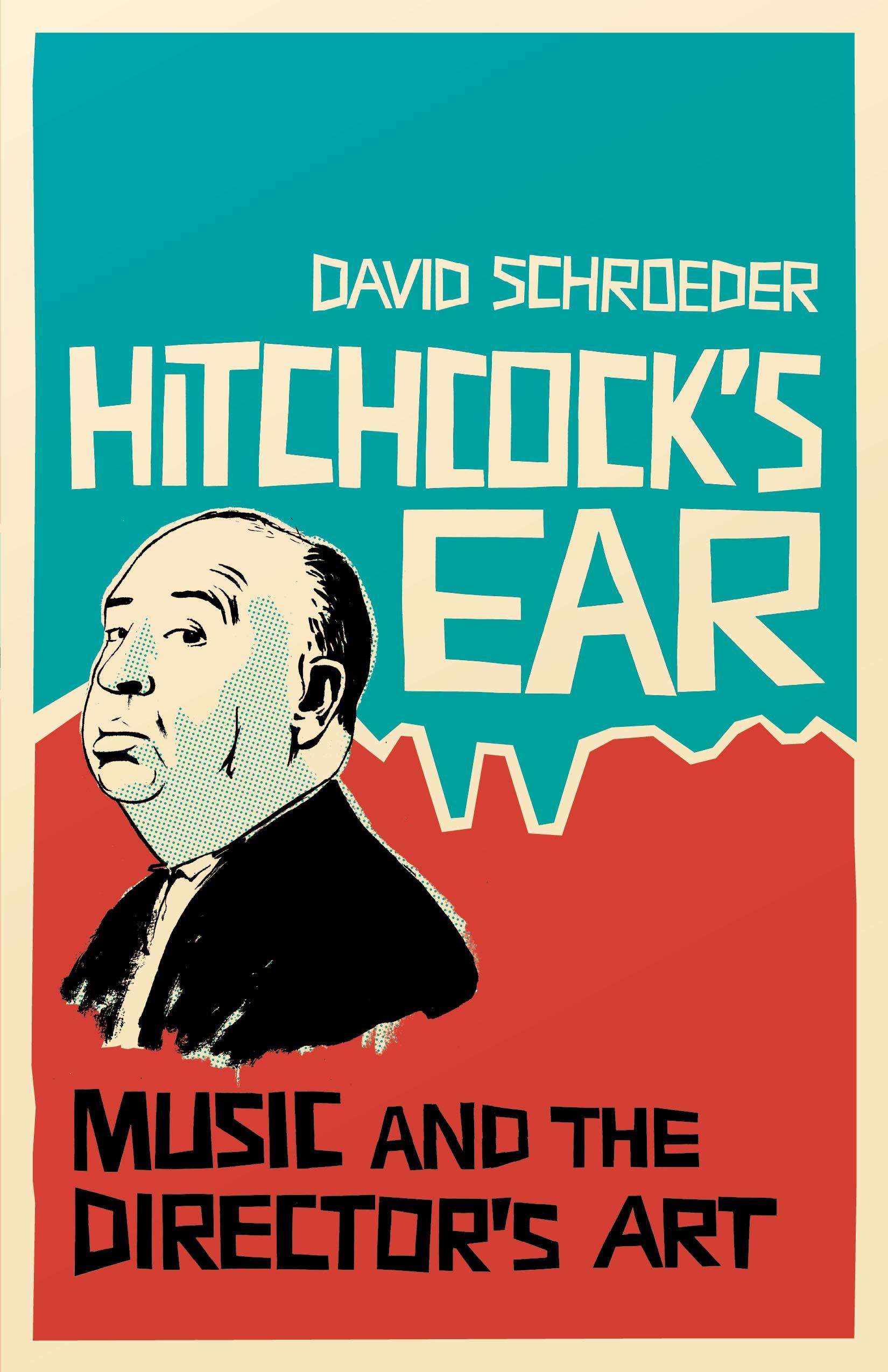
Alfred Hitchcock liked to describe his work as a director in musical terms; for some of his films, it appears that he started with an underlying musical conception, and transformed that sense of music into visual images. The director's favorite scenes lacked dialogue, and they made their impact through a combination of non-verbal actions and music. For example, the waltz and the piano are used as powerful images in silent films, and this approach carries over into sound films. Looking at such films as Vertigo, Rear Window, and Shadow of a Doubt, Schroeder provides a unique look at the way that Hitchcock thought about cinema in musical terms.
Maksa helposti kortilla, Klarnalla, Apple Paylla tai Google Paylla. Etkö ole tyytyväinen? Sinulla on aina 14 päivän palautusoikeus. Lue lisää ehdoistamme. Jos sinulla on kysyttävää, lähetä meille sähköpostia osoitteeseen hello@memmo.org.
Memmo tekee opiskelusta helpompaa – missä päin maailmaa ikinä oletkin. Meillä yhdistät kurssikirjat ja fiksut opiskelutyökalut yhteen paikkaan: tiivistelmät, visat, podcastit ja muistikortit. Ja sitten Ted, opiskelukaverisi, joka vastaa kaikkeen, mitä ikinä mietitkin. Yli 50 000 opiskelijaa opiskelee jo täällä – rakennettu auttamaan sinua oppimaan nopeammin ja stressaamaan vähemmän.