
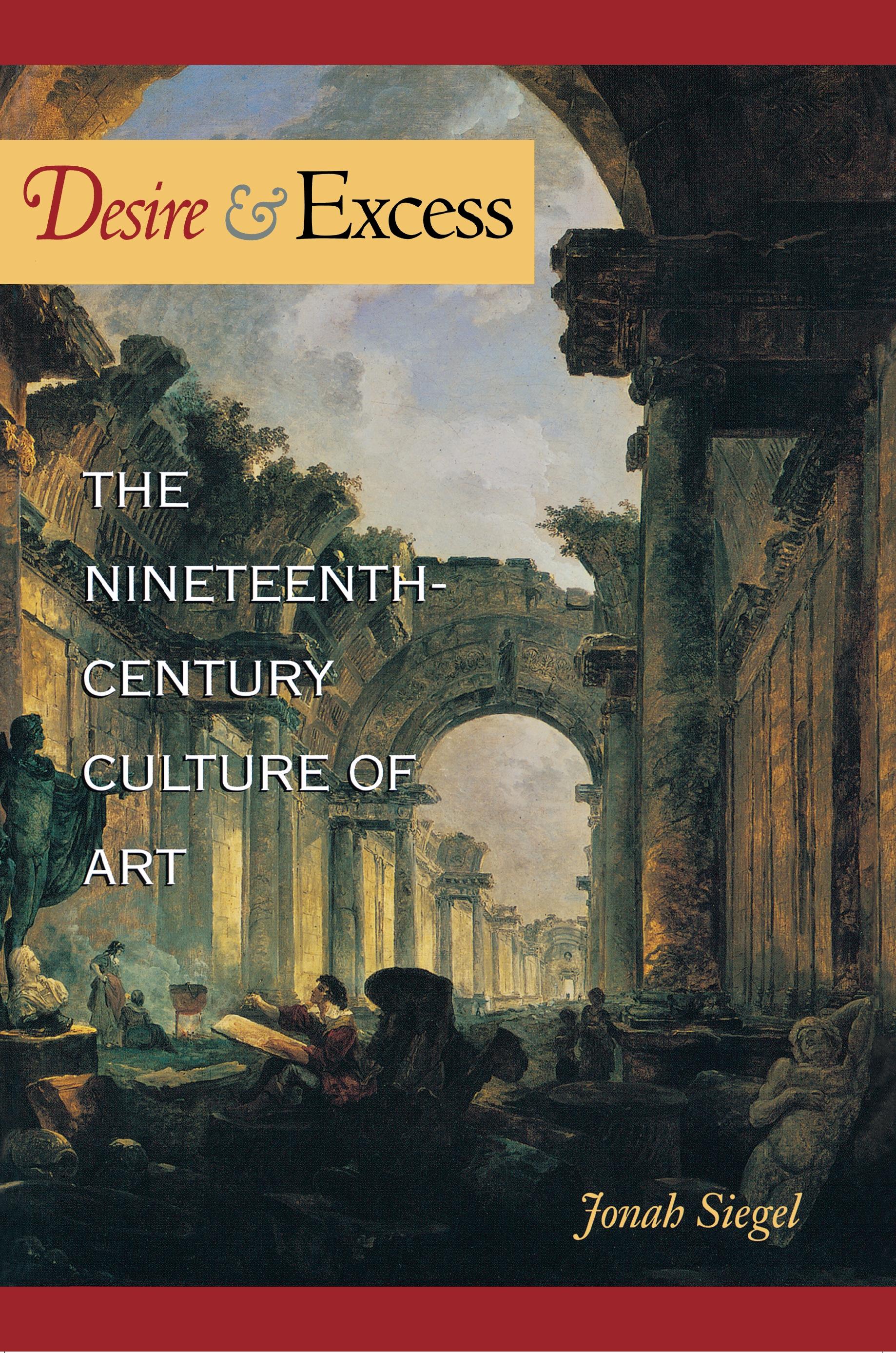
In this fascinating look at the creative power of institutions, Jonah Siegel explores the rise of the modern idea of the artist in the nineteenth century, a period that also witnessed the emergence of the museum and the professional critic. Treating these developments as interrelated, he analyzes both visual material and literary texts to portray a culture in which art came to be thought of in powerful new ways. Ultimately, Siegel shows that artistic controversies commonly associated with the self-consciously radical movements of modernism and postmodernism have their roots in a dynamic era unfairly characterized as staid, self-satisfied, and stable.
The nineteenth century has been called the Age of the Museum, and yet critics, art theorists, and poets during this period grappled with the question of whether the proliferation of museums might lead to the death of Art itself. Did the assembly and display of works of art help the viewer to understand them or did it numb the senses? How was the contemporary artist to respond to the vast storehouses of art from disparate nations and periods that came to proliferate in this era?
Siegel presents a lively discussion of the shock experienced by neoclassical artists troubled by remains of antiquity that were trivial or even obscene, as well as the anxious aesthetic reveries of nineteenth-century art lovers overwhelmed by the quantity of objects quickly crowding museums and exhibition halls. In so doing, he illuminates the fruitful crises provoked when the longing for admired art is suddenly satisfied. Drawing upon neoclassical art and theory, biographies of early nineteenth-century writers including Keats and Scott, and the writings of art critics such as Hazlitt, Ruskin, and Wilde, this book reproduces a cultural matrix that brings to life the artistic passions and anxieties of an entire era.
Maksa helposti kortilla, Klarnalla, Apple Paylla tai Google Paylla. Etkö ole tyytyväinen? Sinulla on aina 14 päivän palautusoikeus. Lue lisää ehdoistamme. Jos sinulla on kysyttävää, lähetä meille sähköpostia osoitteeseen hello@memmo.org.
Memmo tekee opiskelusta helpompaa – missä päin maailmaa ikinä oletkin. Meillä yhdistät kurssikirjat ja fiksut opiskelutyökalut yhteen paikkaan: tiivistelmät, visat, podcastit ja muistikortit. Ja sitten Ted, opiskelukaverisi, joka vastaa kaikkeen, mitä ikinä mietitkin. Yli 50 000 opiskelijaa opiskelee jo täällä – rakennettu auttamaan sinua oppimaan nopeammin ja stressaamaan vähemmän.