
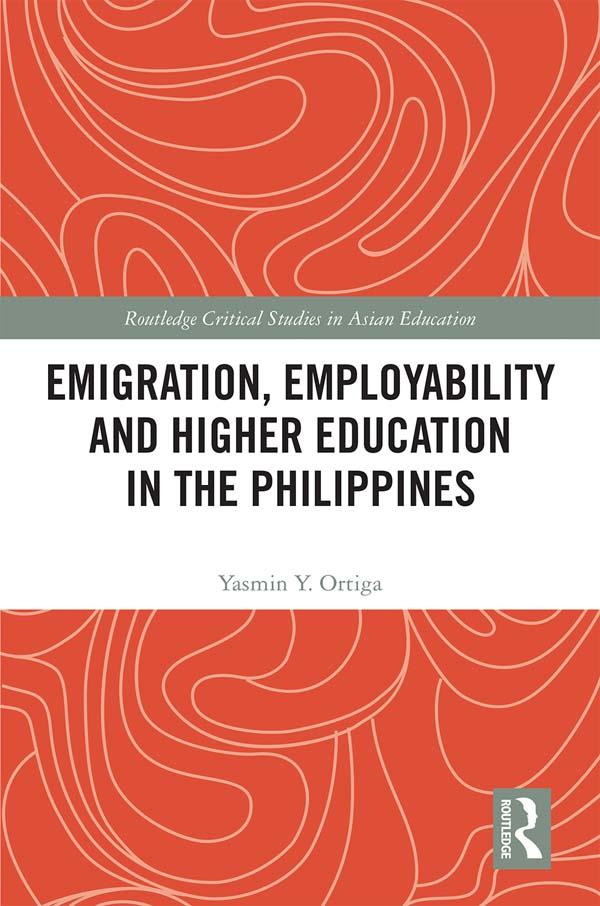
This book investigates the dilemma of educating students for future work in the context of the Philippines, one of the top sources of migrant labor in the world. Here, colleges and universities are expected to not only educate students for jobs within the country, but for potential employers beyond national borders. It demonstrates how human capital ideology reinforces such export-oriented education, creating an assumed relationship among academic credentials, overseas opportunity, and future migrant remittances. Findings indicate that attempts to produce migrant workers undermine the job security of college instructors, skew local curriculum towards foreign requirements, and challenge efforts to develop academic programs in line with local needs. As more developing nations turn to migration as a development strategy, colleges and universities face increasing pressures to produce future migrant workers who will have an advantage over other nationalities. This book emphasises the importance of understanding how this global phenomenon affects colleges and universities, as well as the teachers and students within these institutions. This book raises important questions on the role of universities in today’s global economy and the effects of contemporary migration flows on developing countries.
Maksa helposti kortilla, Klarnalla, Apple Paylla tai Google Paylla. Etkö ole tyytyväinen? Sinulla on aina 14 päivän palautusoikeus. Lue lisää ehdoistamme. Jos sinulla on kysyttävää, lähetä meille sähköpostia osoitteeseen hello@memmo.org.
Memmo tekee opiskelusta helpompaa – missä päin maailmaa ikinä oletkin. Meillä yhdistät kurssikirjat ja fiksut opiskelutyökalut yhteen paikkaan: tiivistelmät, visat, podcastit ja muistikortit. Ja sitten Ted, opiskelukaverisi, joka vastaa kaikkeen, mitä ikinä mietitkin. Yli 50 000 opiskelijaa opiskelee jo täällä – rakennettu auttamaan sinua oppimaan nopeammin ja stressaamaan vähemmän.