
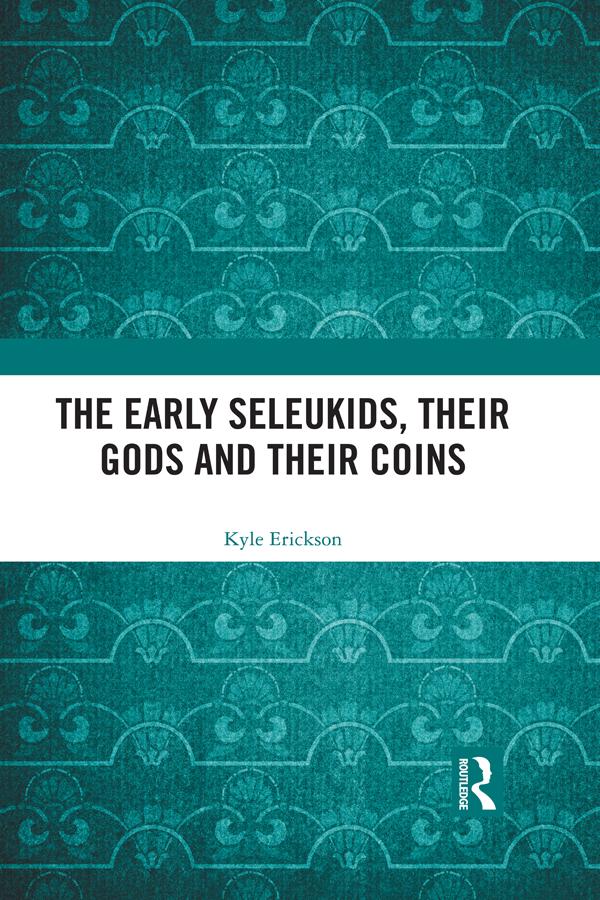
Before Alexander, the Near East was ruled by dynasts who could draw on the significant resources and power base of their homeland, but this was not the case for the Seleukids who never controlled their original homeland of Macedon. The Early Seleukids, their Gods and their Coins argues that rather than projecting an imperialistic Greek image of rule, the Seleukid kings deliberately produced images that represented their personal power, and that were comprehensible to the majority of their subjects within their own cultural traditions. These images relied heavily on the syncretism between Greek and local gods, in particular their ancestor Apollo.
The Early Seleukids, their Gods and their Coins examines how the Seleukids, from Seleukos I to Antiochos IV, used coinage to propagandise their governing ideology. It offers a valuable resource to students of the Seleukids and of Hellenistic kingship more broadly, numismatics, and the interplay of ancient Greek religion and politics.
Maksa helposti kortilla, Klarnalla, Apple Paylla tai Google Paylla. Etkö ole tyytyväinen? Sinulla on aina 14 päivän palautusoikeus. Lue lisää ehdoistamme. Jos sinulla on kysyttävää, lähetä meille sähköpostia osoitteeseen hello@memmo.org.
Memmo tekee opiskelusta helpompaa – missä päin maailmaa ikinä oletkin. Meillä yhdistät kurssikirjat ja fiksut opiskelutyökalut yhteen paikkaan: tiivistelmät, visat, podcastit ja muistikortit. Ja sitten Ted, opiskelukaverisi, joka vastaa kaikkeen, mitä ikinä mietitkin. Yli 50 000 opiskelijaa opiskelee jo täällä – rakennettu auttamaan sinua oppimaan nopeammin ja stressaamaan vähemmän.