
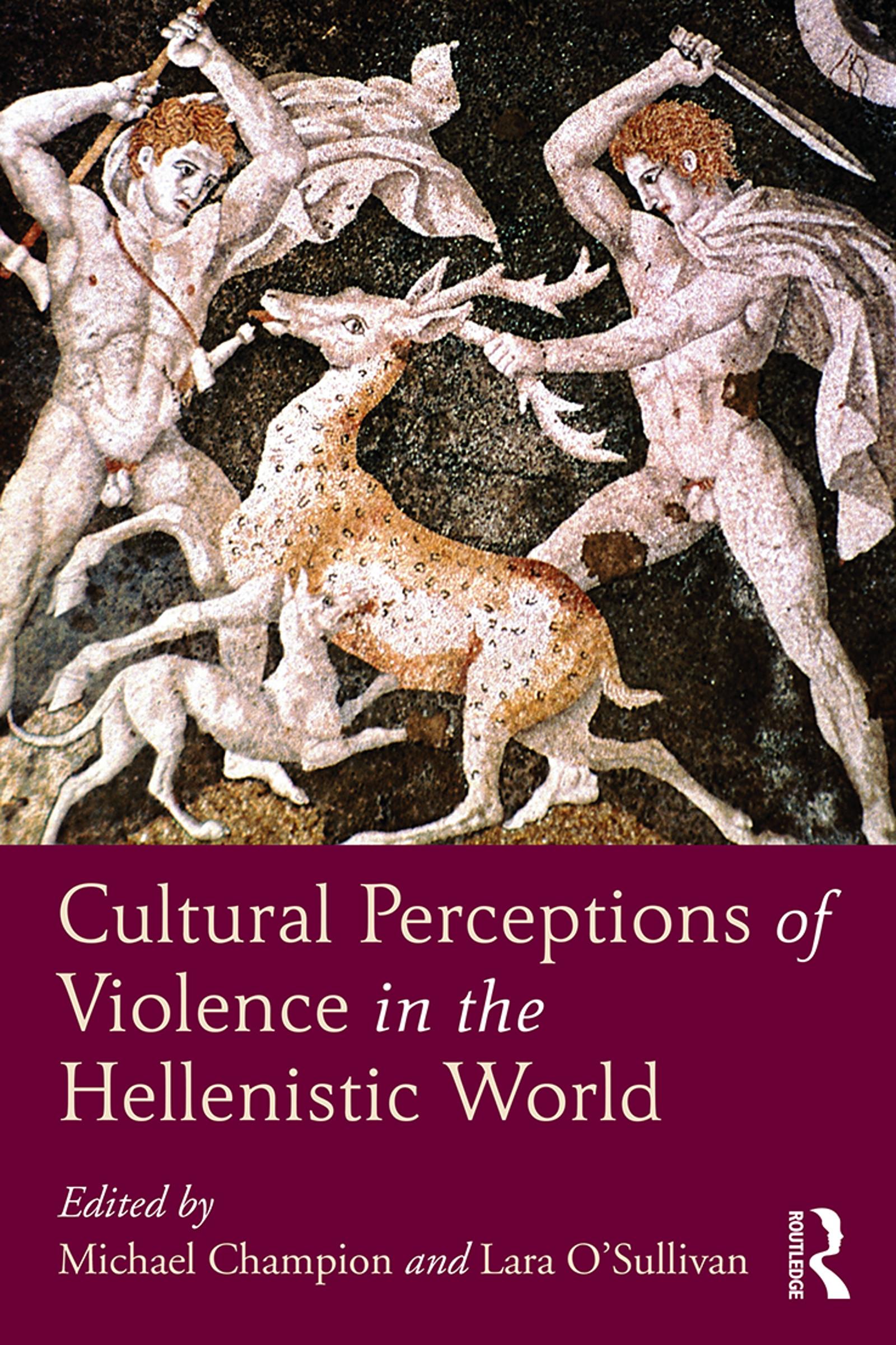
Violence had long been central to the experience of Hellenistic Greek cities and to their civic discourses. This volume asks how these discourses were shaped and how they functioned within the particular cultural constructs of the Hellenistic world. It was a period in which warfare became more professionalised, and wars increasingly ubiquitous. The period also saw major changes in political structures that led to political and cultural experimentation and transformation in which the political and cultural heritage of the classical city-state encountered the new political principles and cosmopolitan cultures of Hellenism. Finally, and in a similar way, it saw expanded opportunities for cultural transfer in cities through (re)constructions of urban space. Violence thus entered the city through external military and political shocks, as well as within emerging social hierarchies and civic institutions. Such factors also inflected economic activity, religious practices and rituals, and the artistic, literary and philosophical life of the polis.
Maksa helposti kortilla, Klarnalla, Apple Paylla tai Google Paylla. Etkö ole tyytyväinen? Sinulla on aina 14 päivän palautusoikeus. Lue lisää ehdoistamme. Jos sinulla on kysyttävää, lähetä meille sähköpostia osoitteeseen hello@memmo.org.
Memmo tekee opiskelusta helpompaa – missä päin maailmaa ikinä oletkin. Meillä yhdistät kurssikirjat ja fiksut opiskelutyökalut yhteen paikkaan: tiivistelmät, visat, podcastit ja muistikortit. Ja sitten Ted, opiskelukaverisi, joka vastaa kaikkeen, mitä ikinä mietitkin. Yli 50 000 opiskelijaa opiskelee jo täällä – rakennettu auttamaan sinua oppimaan nopeammin ja stressaamaan vähemmän.