
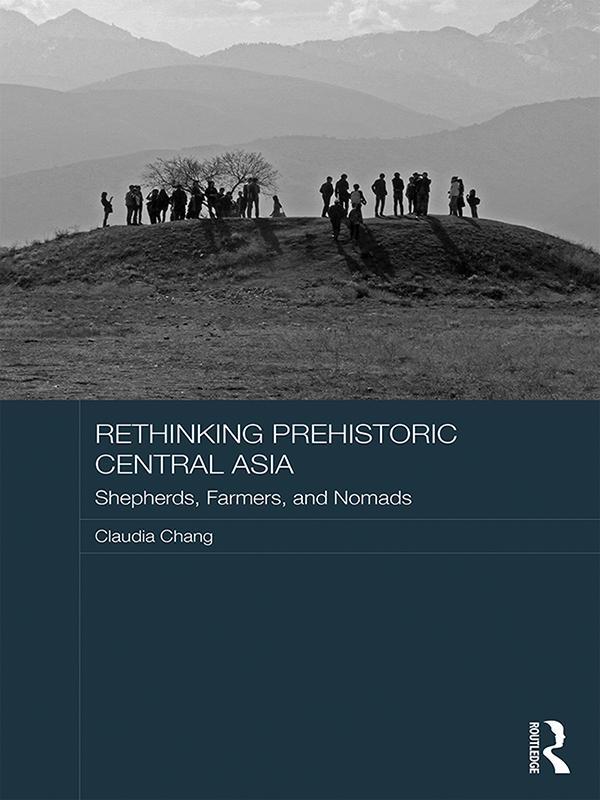
The peoples of Inner Asia in the second half of the first millennium BC have long been considered to be nomads, engaging in warfare and conflict. This book, which presents the findings of new archaeological research in southeastern Kazakhstan, analyzes these findings to present important conclusions about the nature of Inner Asian society in this period. Pots, animal bones, ancient plant remains, and mudbricks are details from the material record proving that the ancient folk cultivated wheat, barley, and the two millets, and also husbanded sheep, goats, cattle, and horses. The picture presented is of societies which were more complex than heretofore understood: with an economic foundation based on both herding and farming, producing surplus agricultural goods which were exported, and with a hierarchical social structure, including elites and commoners, made cohesive by gift-giving, feasting, and tribute, rather than conflict and warfare. The book includes material on the impact of the first opening of the Silk Route by the Han emperors of China.
Maksa helposti kortilla, Klarnalla, Apple Paylla tai Google Paylla. Etkö ole tyytyväinen? Sinulla on aina 14 päivän palautusoikeus. Lue lisää ehdoistamme. Jos sinulla on kysyttävää, lähetä meille sähköpostia osoitteeseen hello@memmo.org.
Memmo tekee opiskelusta helpompaa – missä päin maailmaa ikinä oletkin. Meillä yhdistät kurssikirjat ja fiksut opiskelutyökalut yhteen paikkaan: tiivistelmät, visat, podcastit ja muistikortit. Ja sitten Ted, opiskelukaverisi, joka vastaa kaikkeen, mitä ikinä mietitkin. Yli 50 000 opiskelijaa opiskelee jo täällä – rakennettu auttamaan sinua oppimaan nopeammin ja stressaamaan vähemmän.