
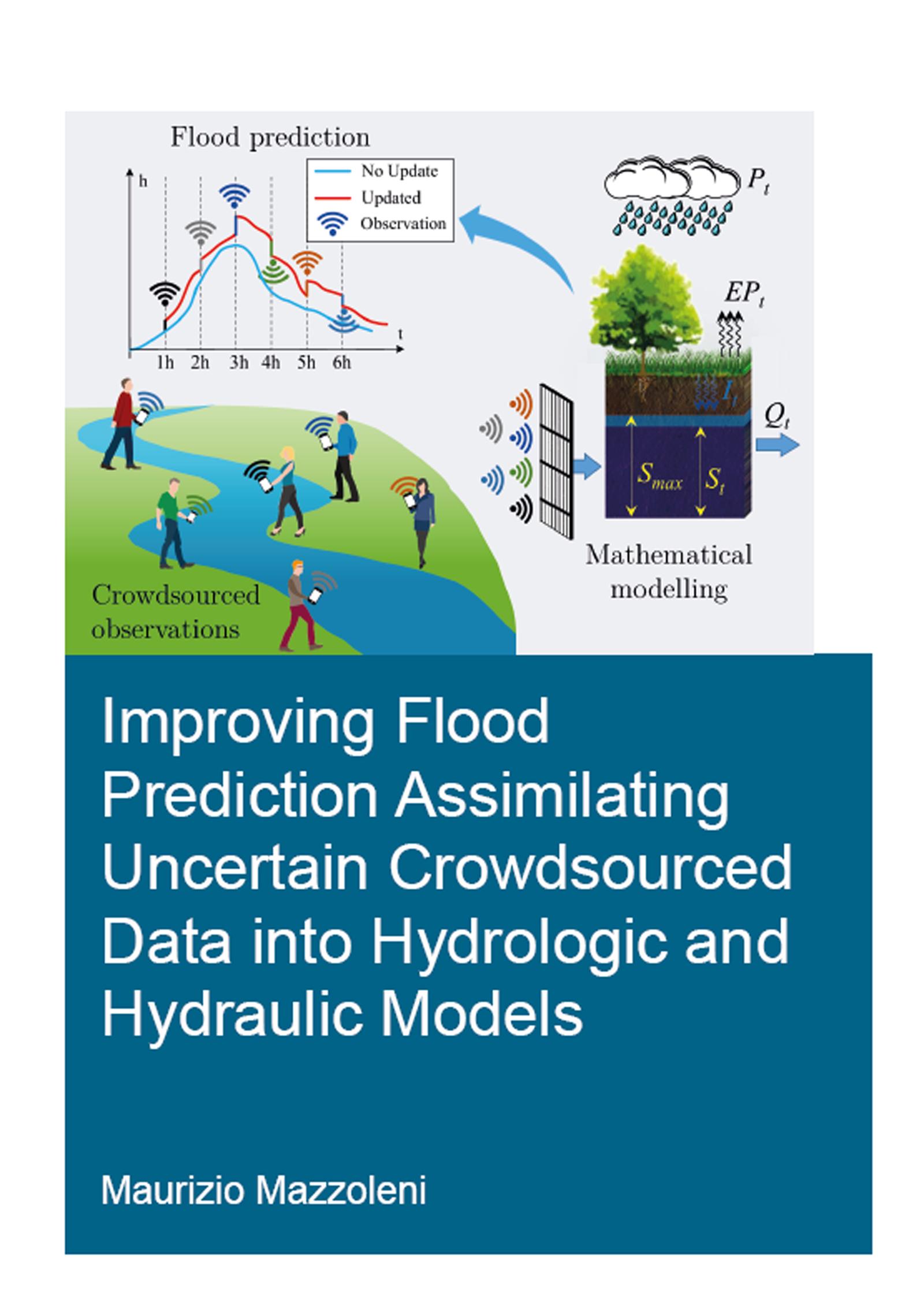
In recent years, the continued technological advances have led to the spread of low-cost sensors and devices supporting crowdsourcing as a way to obtain observations of hydrological variables in a more distributed way than the classic static physical sensors. The main advantage of using these type of sensors is that they can be used not only by technicians but also by regular citizens. However, due to their relatively low reliability and varying accuracy in time and space, crowdsourced observations have not been widely integrated in hydrological and/or hydraulic models for flood forecasting applications. Instead, they have generally been used to validate model results against observations, in post-event analyses.
This research aims to investigate the benefits of assimilating the crowdsourced observations, coming from a distributed network of heterogeneous physical and social (static and dynamic) sensors, within hydrological and hydraulic models, in order to improve flood forecasting. The results of this study demonstrate that crowdsourced observations can significantly improve flood prediction if properly integrated in hydrological and hydraulic models. This study provides technological support to citizen observatories of water, in which citizens not only can play an active role in information capturing, evaluation and communication, leading to improved model forecasts and better flood management.
Maksa helposti kortilla, Klarnalla, Apple Paylla tai Google Paylla. Etkö ole tyytyväinen? Sinulla on aina 14 päivän palautusoikeus. Lue lisää ehdoistamme. Jos sinulla on kysyttävää, lähetä meille sähköpostia osoitteeseen hello@memmo.org.
Memmo tekee opiskelusta helpompaa – missä päin maailmaa ikinä oletkin. Meillä yhdistät kurssikirjat ja fiksut opiskelutyökalut yhteen paikkaan: tiivistelmät, visat, podcastit ja muistikortit. Ja sitten Ted, opiskelukaverisi, joka vastaa kaikkeen, mitä ikinä mietitkin. Yli 50 000 opiskelijaa opiskelee jo täällä – rakennettu auttamaan sinua oppimaan nopeammin ja stressaamaan vähemmän.