
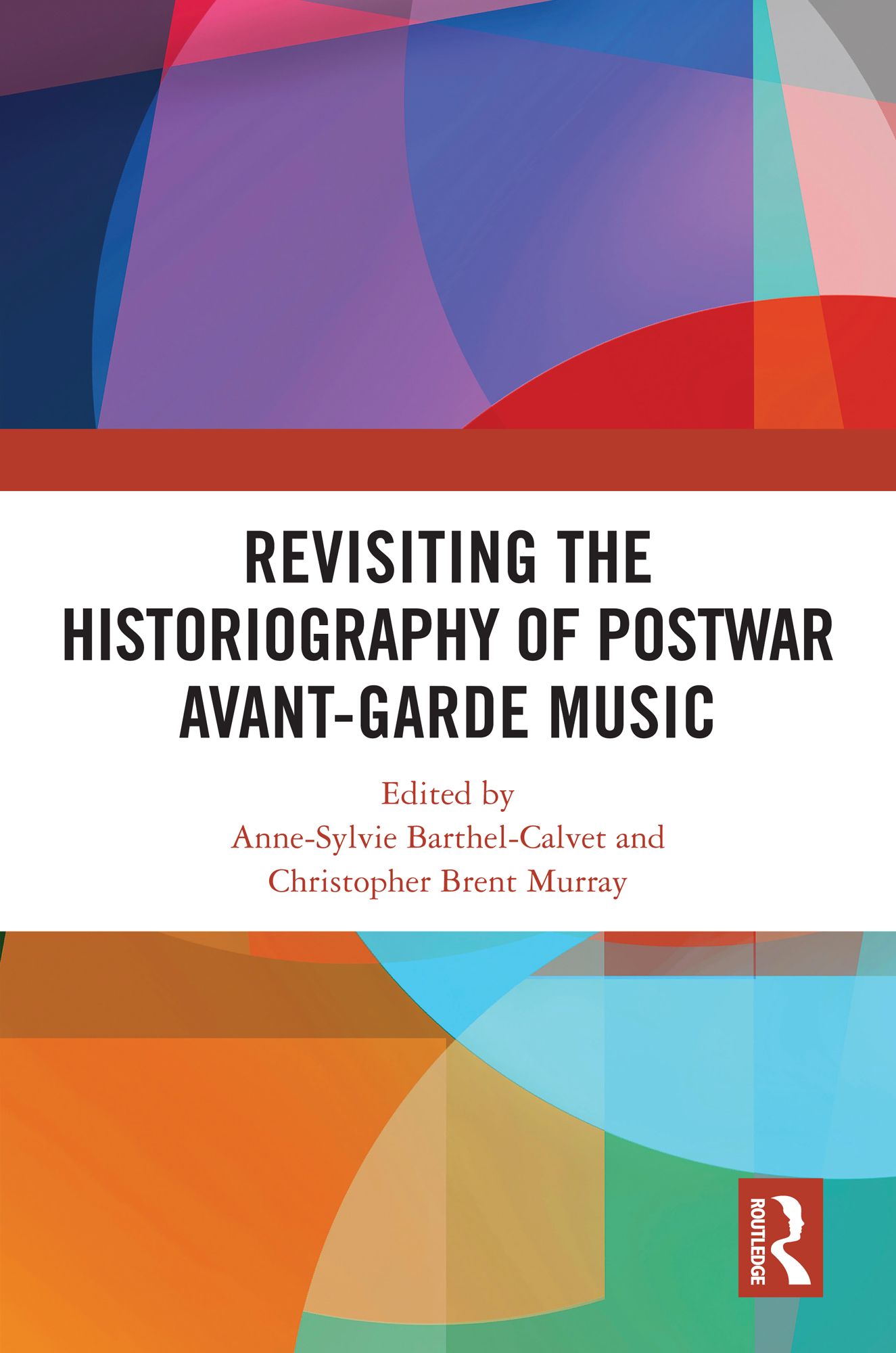
This collection of essays delves into the historiographical traditions that have dominated how the stories of European postwar avant-garde music are told, seeking to approach commonplaces of that history writing from new perspectives. The contributors revisit subjects as varied as the impact of long-playing records on the emergence of open works, Messiaen’s interest in non-European musical traditions, Xenakis’s turn to information theory, Kagel’s strategic invention of a new genre, Berio’s dependence on funding from American foundations, and the ways in which figures like Boulez, Stockhausen, Pousseur, and Nono constructed their musical ancestries. Leading experts in their respective fields, the volume’s authors have sought to rethink the historiography of European experimental music of the 1950s, 1960s, and 1970s in ways that resituate that small but influential milieu in broader historical and cultural contexts. In doing so, they suggest new directions and insights for students and specialists of twentieth-century music and music historiography.
Maksa helposti kortilla, Klarnalla, Apple Paylla tai Google Paylla. Etkö ole tyytyväinen? Sinulla on aina 14 päivän palautusoikeus. Lue lisää ehdoistamme. Jos sinulla on kysyttävää, lähetä meille sähköpostia osoitteeseen hello@memmo.org.
Memmo tekee opiskelusta helpompaa – missä päin maailmaa ikinä oletkin. Meillä yhdistät kurssikirjat ja fiksut opiskelutyökalut yhteen paikkaan: tiivistelmät, visat, podcastit ja muistikortit. Ja sitten Ted, opiskelukaverisi, joka vastaa kaikkeen, mitä ikinä mietitkin. Yli 50 000 opiskelijaa opiskelee jo täällä – rakennettu auttamaan sinua oppimaan nopeammin ja stressaamaan vähemmän.