
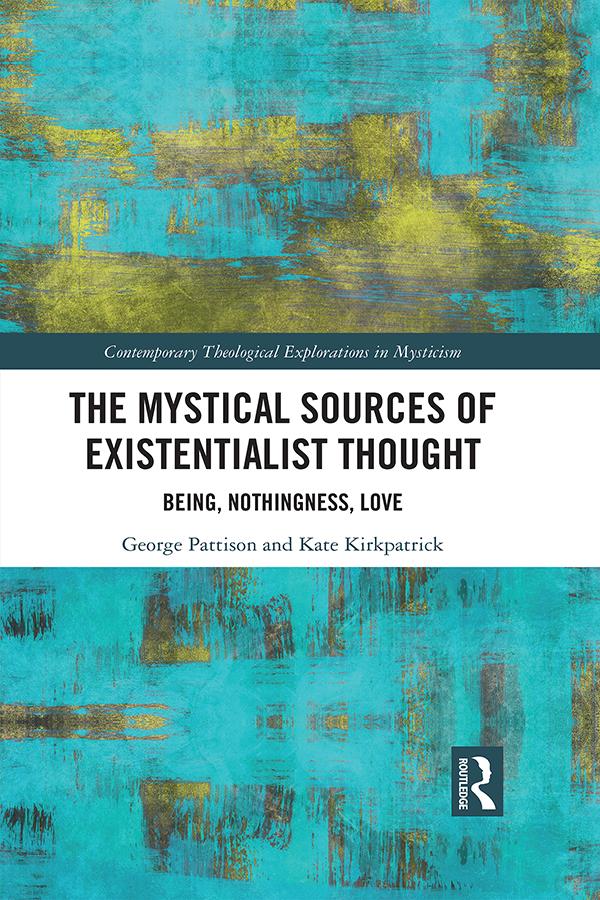
At the time when existentialism was a dominant intellectual and cultural force, a number of commentators observed that some of the language of existential philosophy, not least its interpretation of human existence in terms of nothingness, evoked the language of so-called mystical writers. This book takes on this observation and explores the evidence for the influence of mysticism on the philosophy of existentialism.
It begins by delving into definitions of mysticism and existentialism, and then traces the elements of mysticism present in German and French thought during the late nineteenth and early twentieth centuries. The book goes on to make original contributions to the study of figures including Kierkegaard, Buber, Heidegger, Beauvoir, Sartre, Marcel, Camus, Weil, Bataille, Berdyaev, and Tillich, linking their existentialist philosophy back to some of the key concerns of the mystical tradition.
Providing a unique insight into how these two areas have overlapped and interacted, this study is vital reading for any academic with an interest in twentieth-century philosophy, theology and religious studies.
Maksa helposti kortilla, Klarnalla, Apple Paylla tai Google Paylla. Etkö ole tyytyväinen? Sinulla on aina 14 päivän palautusoikeus. Lue lisää ehdoistamme. Jos sinulla on kysyttävää, lähetä meille sähköpostia osoitteeseen hello@memmo.org.
Memmo tekee opiskelusta helpompaa – missä päin maailmaa ikinä oletkin. Meillä yhdistät kurssikirjat ja fiksut opiskelutyökalut yhteen paikkaan: tiivistelmät, visat, podcastit ja muistikortit. Ja sitten Ted, opiskelukaverisi, joka vastaa kaikkeen, mitä ikinä mietitkin. Yli 50 000 opiskelijaa opiskelee jo täällä – rakennettu auttamaan sinua oppimaan nopeammin ja stressaamaan vähemmän.