
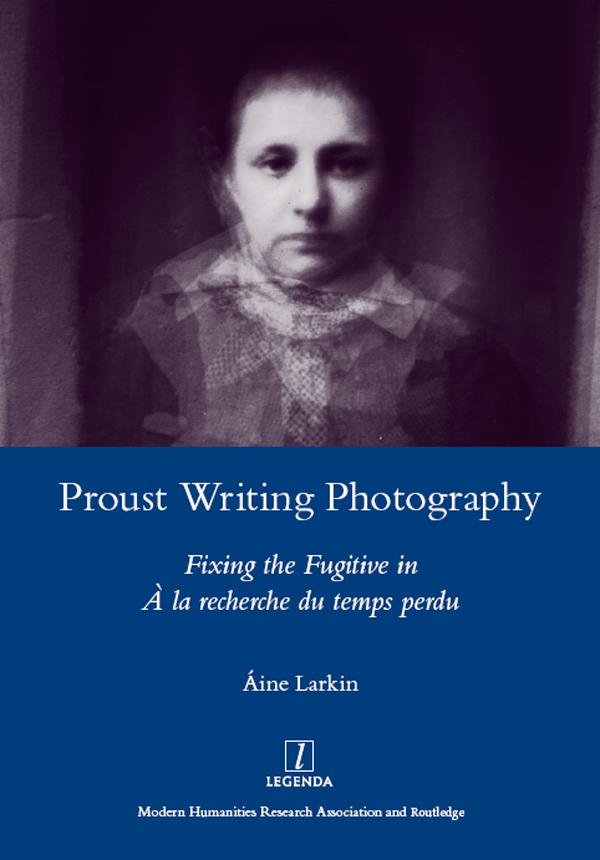
The importance of vision and visual arts such as painting, theatre, and sculpture in Marcel Proust's A la recherche du temps perdu has long been affirmed; another significant system of visual representation in the novel is photography. Proust appropriated photography as a practice with its own distinctive characteristics which could inform his writing about the processes of perception and memory. Through close textual analysis of scenes where photography is experienced or observed as a practice, and scenes where photography is written into the body of the text, Aine Larkin offers an invigorating new study that sheds genuinely new light on the presence of photographic motifs in Proust's novel, and the subtlety of Proust's engagement with this modern imaging system in his work.
Maksa helposti kortilla, Klarnalla, Apple Paylla tai Google Paylla. Etkö ole tyytyväinen? Sinulla on aina 14 päivän palautusoikeus. Lue lisää ehdoistamme. Jos sinulla on kysyttävää, lähetä meille sähköpostia osoitteeseen hello@memmo.org.
Memmo tekee opiskelusta helpompaa – missä päin maailmaa ikinä oletkin. Meillä yhdistät kurssikirjat ja fiksut opiskelutyökalut yhteen paikkaan: tiivistelmät, visat, podcastit ja muistikortit. Ja sitten Ted, opiskelukaverisi, joka vastaa kaikkeen, mitä ikinä mietitkin. Yli 50 000 opiskelijaa opiskelee jo täällä – rakennettu auttamaan sinua oppimaan nopeammin ja stressaamaan vähemmän.
Saatat pitää myös näistä
Osta kirja0