
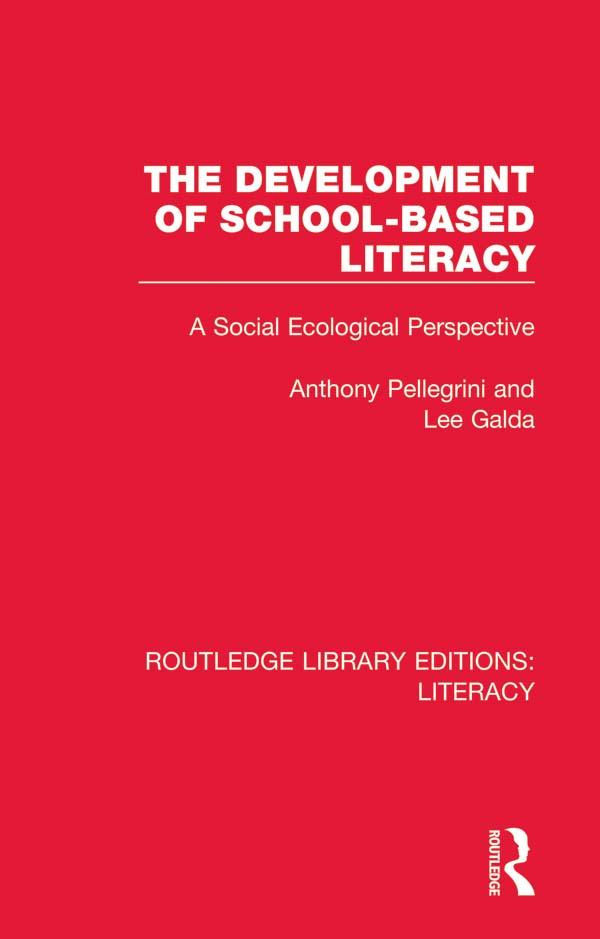
Originally published in 1998. This book presents a model of social-contextual influences on children’s literacy and literate language. Literate language is similar to the language teachers use and to the language used in reading books for young children. Based on a longitudinal study in homes and schools, the authors here present the results of how diverse and close social relationships influence children’s literacy learning as they progress through the first three years of formal schooling, and discuss implications for teaching practice. Different types of reading matter in the home are examined and it is suggested that peers are helpful to the learning of literacy. Rather than separate friends as often happens in the classroom, this book suggest that interaction should be encouraged. It will be of interest to researchers and students of developmental and educational psychology, and to anyone interested in early cognitive and social development.
Maksa helposti kortilla, Klarnalla, Apple Paylla tai Google Paylla. Etkö ole tyytyväinen? Sinulla on aina 14 päivän palautusoikeus. Lue lisää ehdoistamme. Jos sinulla on kysyttävää, lähetä meille sähköpostia osoitteeseen hello@memmo.org.
Memmo tekee opiskelusta helpompaa – missä päin maailmaa ikinä oletkin. Meillä yhdistät kurssikirjat ja fiksut opiskelutyökalut yhteen paikkaan: tiivistelmät, visat, podcastit ja muistikortit. Ja sitten Ted, opiskelukaverisi, joka vastaa kaikkeen, mitä ikinä mietitkin. Yli 50 000 opiskelijaa opiskelee jo täällä – rakennettu auttamaan sinua oppimaan nopeammin ja stressaamaan vähemmän.