
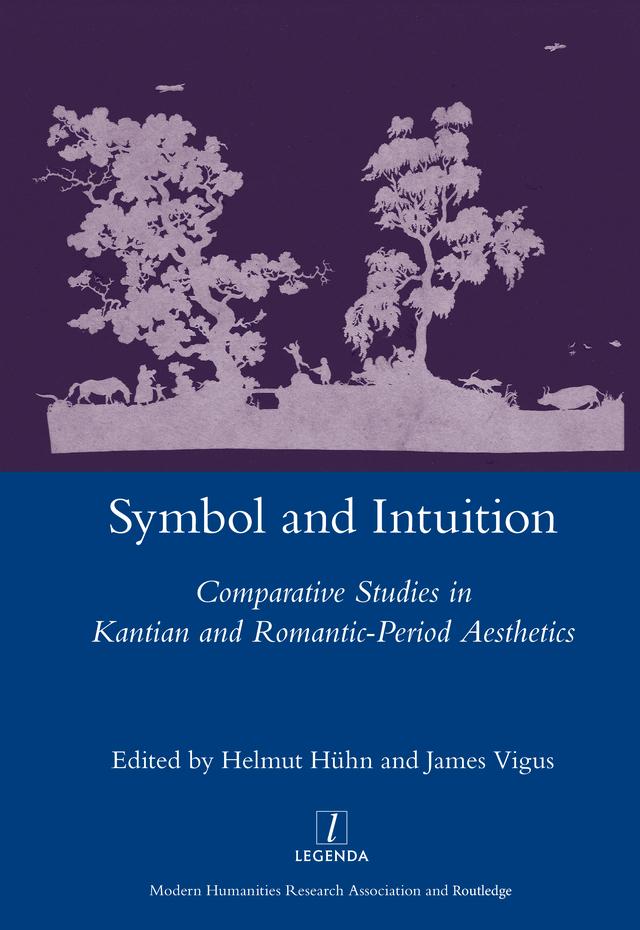
"That a symbolic object or work of art participates in what it signifies, as a part within a whole, was a controversial claim discussed with particular intensity in the wake of Immanuel Kant's Critique of Judgment. It informed the aesthetic theories of a constellation of writers in Jena and Weimar around 1800, including Moritz, Goethe, Schelling and Hegel. Yet the twin concepts of symbol and intuition were not only tools of literary and mythological criticism: they were integral even to questions of epistemology and methodology in the fields of theology, metaphysics, history and natural philosophy. The international contributors to this volume further explore how both the explanatory potential and peculiar dissatisfactions of the symbol entered the Anglo-American discourse, focusing on Coleridge, Crabb Robinson and Emerson. Contemporary debates about the claims of symbolic as opposed to allegorical art are kept in view throughout."
Maksa helposti kortilla, Klarnalla, Apple Paylla tai Google Paylla. Etkö ole tyytyväinen? Sinulla on aina 14 päivän palautusoikeus. Lue lisää ehdoistamme. Jos sinulla on kysyttävää, lähetä meille sähköpostia osoitteeseen hello@memmo.org.
Memmo tekee opiskelusta helpompaa – missä päin maailmaa ikinä oletkin. Meillä yhdistät kurssikirjat ja fiksut opiskelutyökalut yhteen paikkaan: tiivistelmät, visat, podcastit ja muistikortit. Ja sitten Ted, opiskelukaverisi, joka vastaa kaikkeen, mitä ikinä mietitkin. Yli 50 000 opiskelijaa opiskelee jo täällä – rakennettu auttamaan sinua oppimaan nopeammin ja stressaamaan vähemmän.
Saatat pitää myös näistä
Osta kirja0