
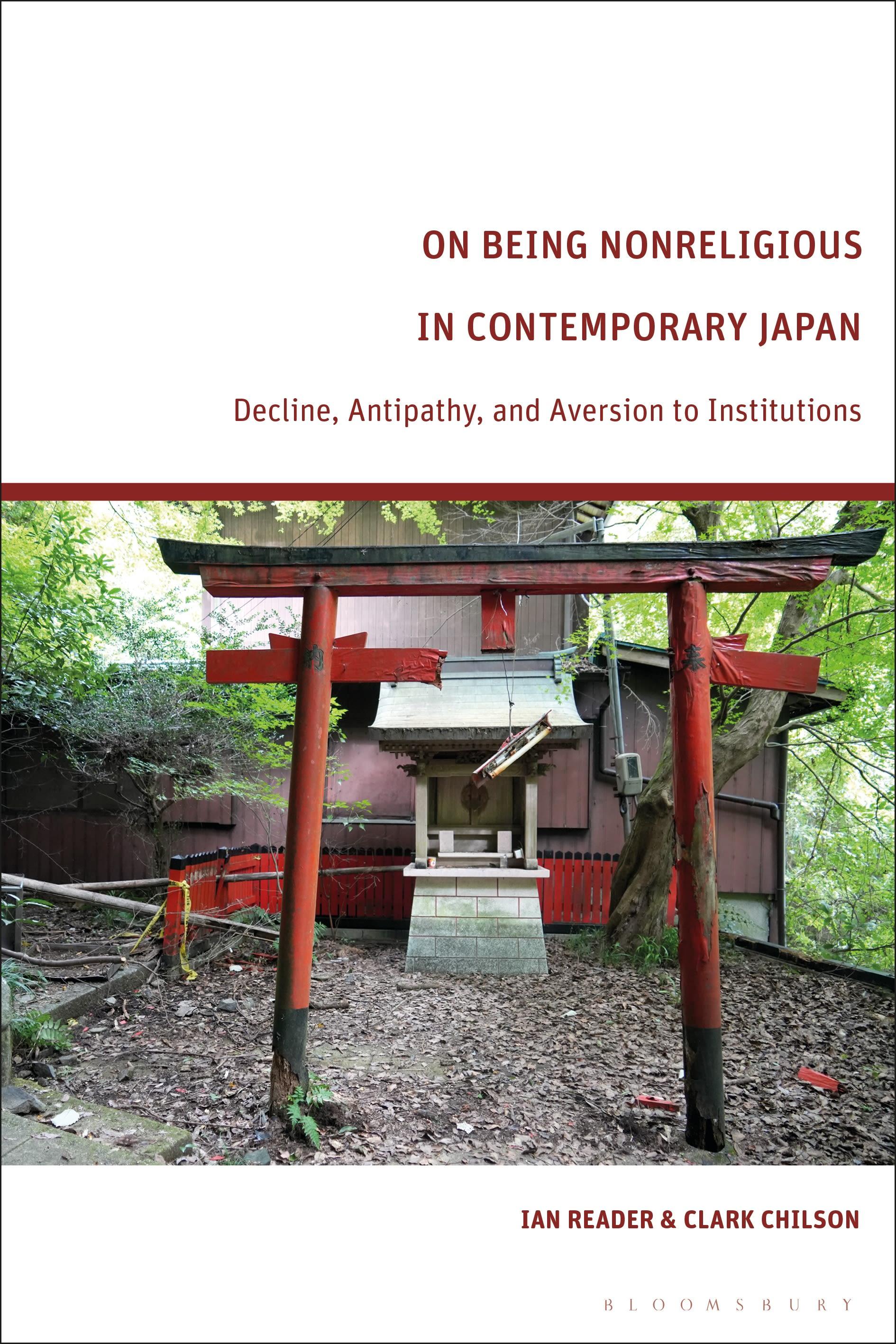
Challenging the notion of the nonreligious in Japan being religious through tradition and institution, this book demonstrates how negativity and antipathy for religion relate to religious decline in Japan today. Why do most Japanese say they are 'nonreligious' (mushukyo)? Since the 1990s, scholars have answered this key question for understanding religion in contemporary Japan as follows: although the Japanese say they are nonreligious because they do not identify with a particular religious tradition or institution, they are in fact religious through their traditional practices; New Year's visits to shinto Shrines, Buddhist mortuary rites and festivals (matsuri) are typically seen as customs rather than as religious.
Challenging this answer, this book argues that many Japanese say they are nonreligious because they actually dislike religion and want to distance themselves from it. To support this argument, the book explores how religion is in decline in Japan today. Demonstrating how negative images of religion are produced in the mainstream media, in popular culture, and by various groups and people, this book also explores specific case studies such as anti-cult organizations, lawyers, government agencies, intellectuals, and religious organizations.
Ian Reader and Clark Chilson argue that popular negative images and perceptions about religion create an 'ecology of dislike', which encourages disassociation from religion and exacerbates problems for religions today. Overall, this book provides a new perspective on religion in contemporary Japan that has implications for our understanding of secularization in the modern world.
Challenging this answer, this book argues that many Japanese say they are nonreligious because they actually dislike religion and want to distance themselves from it. To support this argument, the book explores how religion is in decline in Japan today. Demonstrating how negative images of religion are produced in the mainstream media, in popular culture, and by various groups and people, this book also explores specific case studies such as anti-cult organizations, lawyers, government agencies, intellectuals, and religious organizations.
Ian Reader and Clark Chilson argue that popular negative images and perceptions about religion create an 'ecology of dislike', which encourages disassociation from religion and exacerbates problems for religions today. Overall, this book provides a new perspective on religion in contemporary Japan that has implications for our understanding of secularization in the modern world.
Maksa helposti kortilla, Klarnalla, Apple Paylla tai Google Paylla. Etkö ole tyytyväinen? Sinulla on aina 14 päivän palautusoikeus. Lue lisää ehdoistamme. Jos sinulla on kysyttävää, lähetä meille sähköpostia osoitteeseen hello@memmo.org.
Memmo tekee opiskelusta helpompaa – missä päin maailmaa ikinä oletkin. Meillä yhdistät kurssikirjat ja fiksut opiskelutyökalut yhteen paikkaan: tiivistelmät, visat, podcastit ja muistikortit. Ja sitten Ted, opiskelukaverisi, joka vastaa kaikkeen, mitä ikinä mietitkin. Yli 50 000 opiskelijaa opiskelee jo täällä – rakennettu auttamaan sinua oppimaan nopeammin ja stressaamaan vähemmän.