
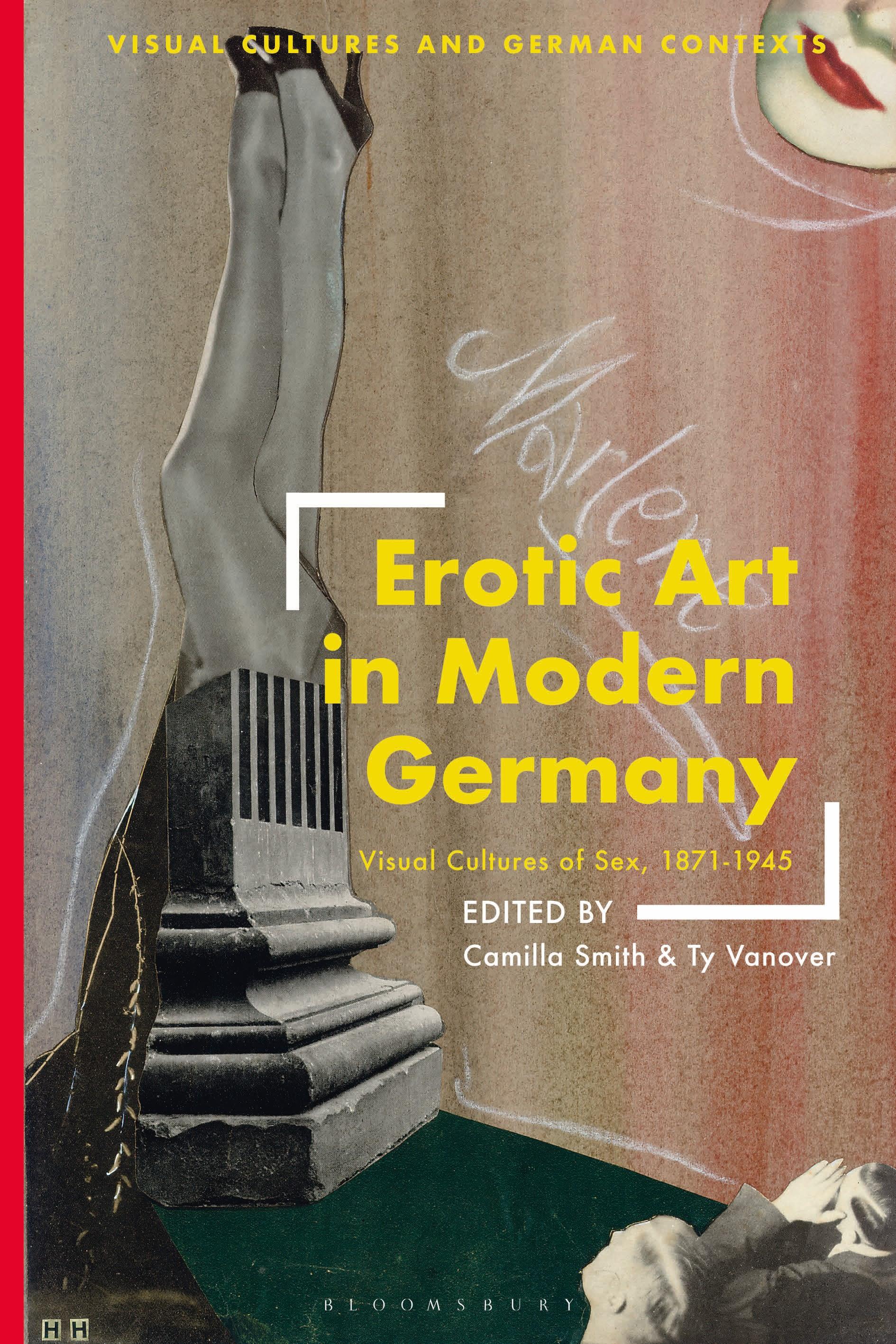
In what ways can erotica chart the story of a nation in transition? What can it reveal about the discontinuities – and uncomfortable parallels – between the periods of political and economic turmoil that characterize modern German history?
The rapid modernization of the German Empire in 1871 led to large-scale transformations in the cultural, social, and political spheres. Exploring a rich diversity of erotic visual art – from paintings and photographs, to postcards and graphic folios – this volume reveals the impact of these changes on the erotic interests of the nation.
Across diverse forms of artistic production, reception, and circulation, Erotic Art in Modern Germany argues for the significance and cultural value of erotica. It presents work by both highly regarded and lesser-known artists and examines themes such as legal cultures and the impact of censorship, sexuality and sexual reform, and changing political frameworks, from imperialism to fascism. 10 chapters study diverse topics that engage with philological and ethnographic approaches to erotic art, demonstrate how scientific developments shape erotica, and investigate the ways in which works intersect with debates on gender and sexuality.
With its holistic, cross-disciplinary approach-drawing from the fields of anthropology, film theory, Marxism, feminism, and trans- and queer theories – the book complicates simplistic understandings of 'modern' erotica and powerfully underlines its enduring significance as a site of dissent and experimentation.
The rapid modernization of the German Empire in 1871 led to large-scale transformations in the cultural, social, and political spheres. Exploring a rich diversity of erotic visual art – from paintings and photographs, to postcards and graphic folios – this volume reveals the impact of these changes on the erotic interests of the nation.
Across diverse forms of artistic production, reception, and circulation, Erotic Art in Modern Germany argues for the significance and cultural value of erotica. It presents work by both highly regarded and lesser-known artists and examines themes such as legal cultures and the impact of censorship, sexuality and sexual reform, and changing political frameworks, from imperialism to fascism. 10 chapters study diverse topics that engage with philological and ethnographic approaches to erotic art, demonstrate how scientific developments shape erotica, and investigate the ways in which works intersect with debates on gender and sexuality.
With its holistic, cross-disciplinary approach-drawing from the fields of anthropology, film theory, Marxism, feminism, and trans- and queer theories – the book complicates simplistic understandings of 'modern' erotica and powerfully underlines its enduring significance as a site of dissent and experimentation.
Maksa helposti kortilla, Klarnalla, Apple Paylla tai Google Paylla. Etkö ole tyytyväinen? Sinulla on aina 14 päivän palautusoikeus. Lue lisää ehdoistamme. Jos sinulla on kysyttävää, lähetä meille sähköpostia osoitteeseen hello@memmo.org.
Memmo tekee opiskelusta helpompaa – missä päin maailmaa ikinä oletkin. Meillä yhdistät kurssikirjat ja fiksut opiskelutyökalut yhteen paikkaan: tiivistelmät, visat, podcastit ja muistikortit. Ja sitten Ted, opiskelukaverisi, joka vastaa kaikkeen, mitä ikinä mietitkin. Yli 50 000 opiskelijaa opiskelee jo täällä – rakennettu auttamaan sinua oppimaan nopeammin ja stressaamaan vähemmän.