
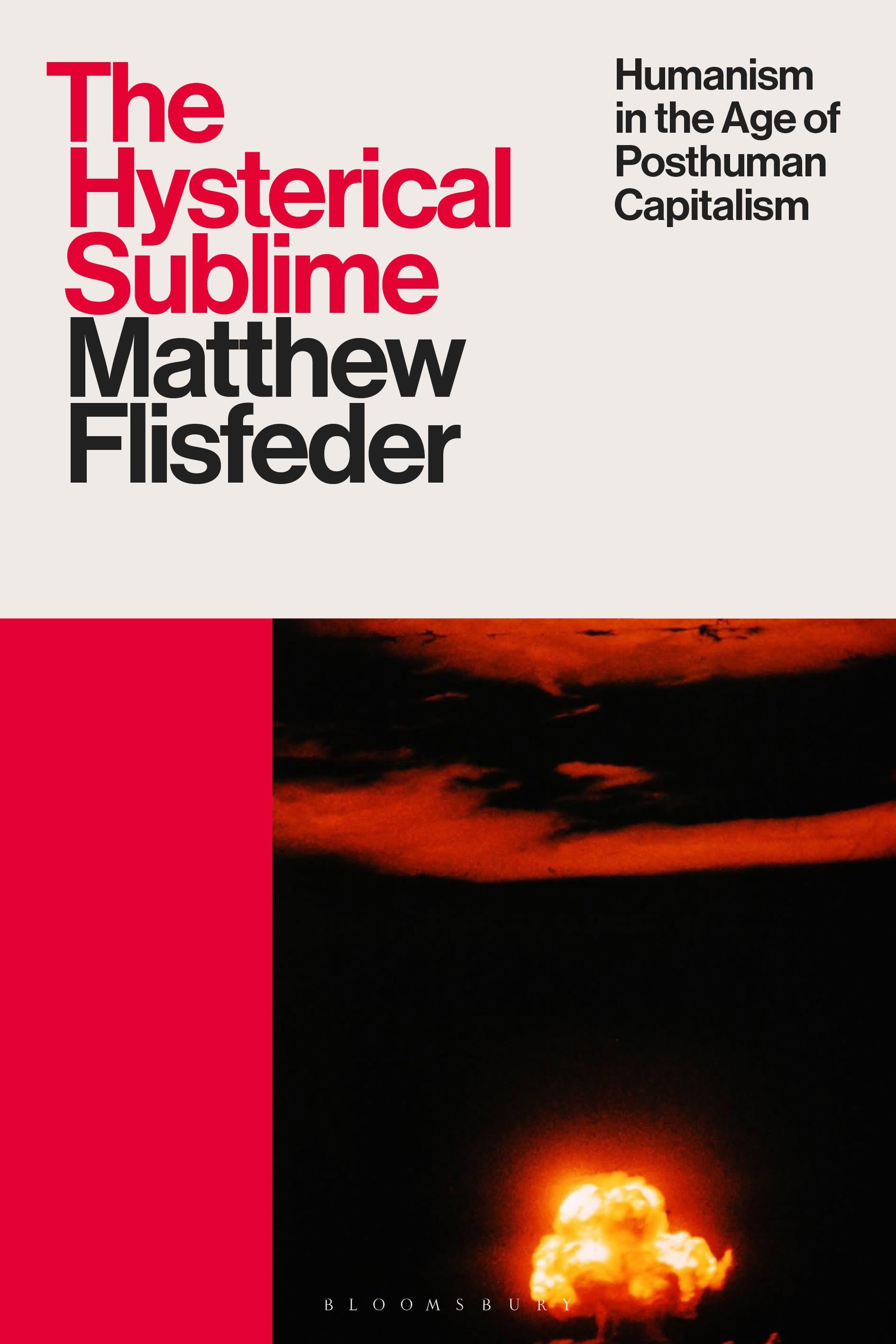
Developing the concept of the hysterical sublime, first theorised by Fredric Jameson, to challenge posthumanist perspectives on the Anthropocene, this book facilitates the rethinking of universal and dialectical humanism as concepts for grappling with 21st-century capitalism.
In recent years, posthumanist theories have been concerned with the overlapping dilemmas of global climate change, digital automation, and artificial intelligence, corresponding to the age of the Anthropocene. Matthew Flisfeder explores how the fear of technology becomes, for Jameson, a substitute for the fears of the capitalist system, and shows that posthumanism displaces such fears onto the figure of the human and anthropocentrism. Drawing on Hegelian-Lacanian theory, the book argues that to rethink dialectical humanism requires moving past the historicist versions of Marxist humanism that imagine a complete reconciliation with non-human nature that includes a process of dis-alienation. Flisfeder also studies posthumanism's “performative contradiction” of dismissing humanism while at the same time depending on the very concepts that constitute the core of humanist thought: freedom, equality, responsibility, and autonomy.
Through the concept of the hysterical sublime, this book argues that, not only is anthropocentrism and humanism the unconscious core of posthumanist theory; emancipatory politics must take ownership of this perspective and renew universalist and dialectical humanism as the core of the political project resistant to capitalism and the Capitalocene.
In recent years, posthumanist theories have been concerned with the overlapping dilemmas of global climate change, digital automation, and artificial intelligence, corresponding to the age of the Anthropocene. Matthew Flisfeder explores how the fear of technology becomes, for Jameson, a substitute for the fears of the capitalist system, and shows that posthumanism displaces such fears onto the figure of the human and anthropocentrism. Drawing on Hegelian-Lacanian theory, the book argues that to rethink dialectical humanism requires moving past the historicist versions of Marxist humanism that imagine a complete reconciliation with non-human nature that includes a process of dis-alienation. Flisfeder also studies posthumanism's “performative contradiction” of dismissing humanism while at the same time depending on the very concepts that constitute the core of humanist thought: freedom, equality, responsibility, and autonomy.
Through the concept of the hysterical sublime, this book argues that, not only is anthropocentrism and humanism the unconscious core of posthumanist theory; emancipatory politics must take ownership of this perspective and renew universalist and dialectical humanism as the core of the political project resistant to capitalism and the Capitalocene.
Sivuja: 264
Kategoria: Litteraturvetenskap & Teori
e-ISBN: 9781350536128
Lähetyspaino: 1.2 kg
Toimitusaika: 1-2 päivää
Maksa helposti kortilla, Klarnalla, Apple Paylla tai Google Paylla. Etkö ole tyytyväinen? Sinulla on aina 14 päivän palautusoikeus. Lue lisää ehdoistamme. Jos sinulla on kysyttävää, lähetä meille sähköpostia osoitteeseen hello@memmo.org.
Memmo tekee opiskelusta helpompaa – missä päin maailmaa ikinä oletkin. Meillä yhdistät kurssikirjat ja fiksut opiskelutyökalut yhteen paikkaan: tiivistelmät, visat, podcastit ja muistikortit. Ja sitten Ted, opiskelukaverisi, joka vastaa kaikkeen, mitä ikinä mietitkin. Yli 50 000 opiskelijaa opiskelee jo täällä – rakennettu auttamaan sinua oppimaan nopeammin ja stressaamaan vähemmän.