
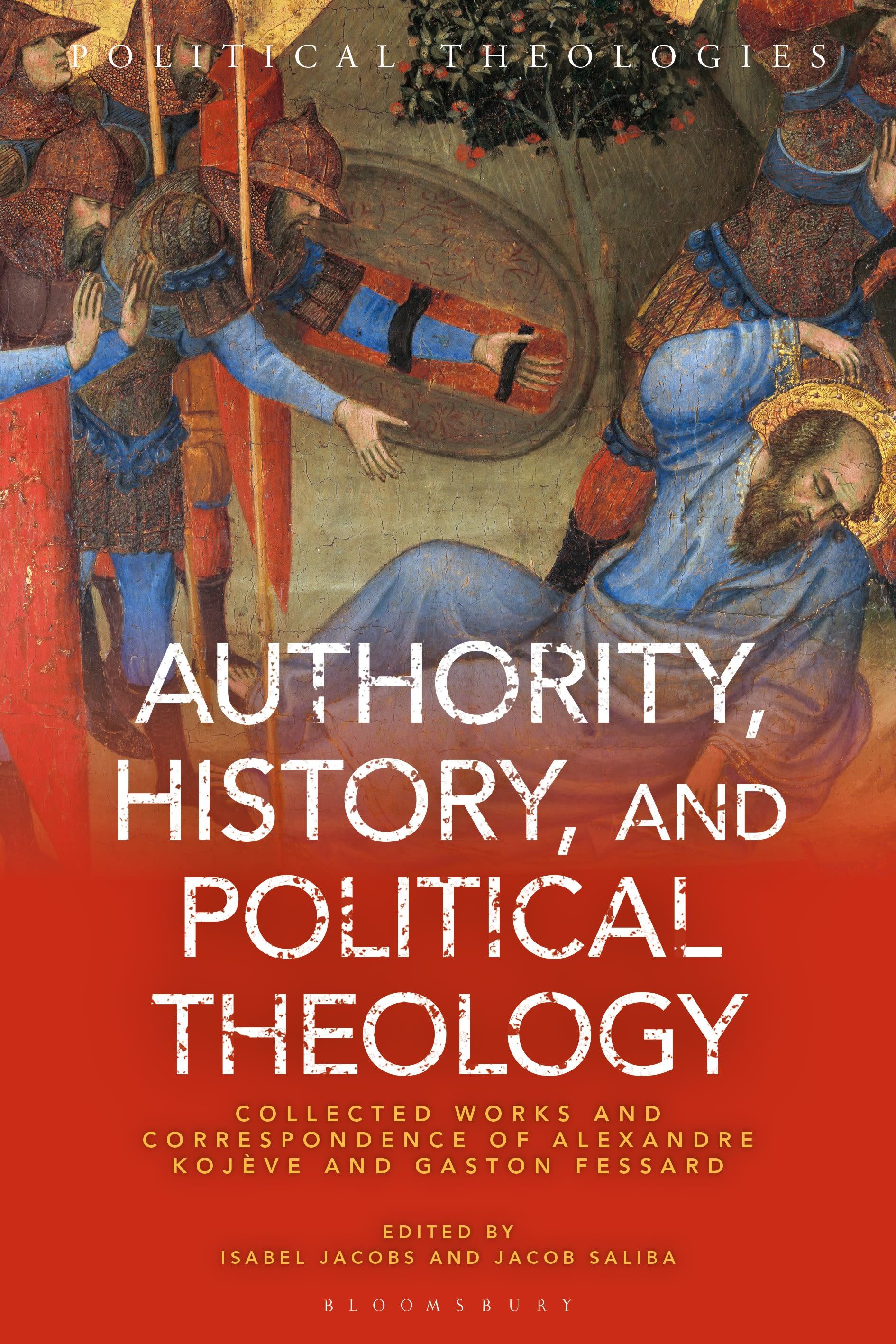
For the first time, this volume brings together the writings, lectures, and correspondence of two of the most distinctive voices in twentieth-century French thought: Alexandre Kojève (1902–1968) and Gaston Fessard (1897–1978).
Kojève is widely regarded as one of the most influential philosophers in France. His Hegel seminars of the 1930s shaped an entire generation of intellectuals, including Georges Bataille, Jacques Lacan, and Raymond Aron. Among his closest interlocutors was Gaston Fessard, a leading Jesuit theologian and himself a member of the seminar.
Authority, History, and Political Theology charts Kojève and Fessard's friendship through their reviews of each other's work, lectures, letters, and unpublished essays. These texts, many translated into English for the very first time, show how each thinker grappled with urgent political-theological issues, such as the rise of totalitarianism, secularism, and Marxism.
Including a historical introduction, the volume situates their exchange at the intersection of Hegelian philosophy, Catholic theology, and global politics. It shows how two readers of Hegel– one an atheist philosopher, the other a Jesuit theologian – challenge how we think about political life, the role of religion in the public sphere, and the meaning of the end of history. Part of Bloomsbury's Political Theologies series, this book is essential for readers interested in political theology, continental philosophy, and intellectual history.
Kojève is widely regarded as one of the most influential philosophers in France. His Hegel seminars of the 1930s shaped an entire generation of intellectuals, including Georges Bataille, Jacques Lacan, and Raymond Aron. Among his closest interlocutors was Gaston Fessard, a leading Jesuit theologian and himself a member of the seminar.
Authority, History, and Political Theology charts Kojève and Fessard's friendship through their reviews of each other's work, lectures, letters, and unpublished essays. These texts, many translated into English for the very first time, show how each thinker grappled with urgent political-theological issues, such as the rise of totalitarianism, secularism, and Marxism.
Including a historical introduction, the volume situates their exchange at the intersection of Hegelian philosophy, Catholic theology, and global politics. It shows how two readers of Hegel– one an atheist philosopher, the other a Jesuit theologian – challenge how we think about political life, the role of religion in the public sphere, and the meaning of the end of history. Part of Bloomsbury's Political Theologies series, this book is essential for readers interested in political theology, continental philosophy, and intellectual history.
Maksa helposti kortilla, Klarnalla, Apple Paylla tai Google Paylla. Etkö ole tyytyväinen? Sinulla on aina 14 päivän palautusoikeus. Lue lisää ehdoistamme. Jos sinulla on kysyttävää, lähetä meille sähköpostia osoitteeseen hello@memmo.org.
Memmo tekee opiskelusta helpompaa – missä päin maailmaa ikinä oletkin. Meillä yhdistät kurssikirjat ja fiksut opiskelutyökalut yhteen paikkaan: tiivistelmät, visat, podcastit ja muistikortit. Ja sitten Ted, opiskelukaverisi, joka vastaa kaikkeen, mitä ikinä mietitkin. Yli 50 000 opiskelijaa opiskelee jo täällä – rakennettu auttamaan sinua oppimaan nopeammin ja stressaamaan vähemmän.