
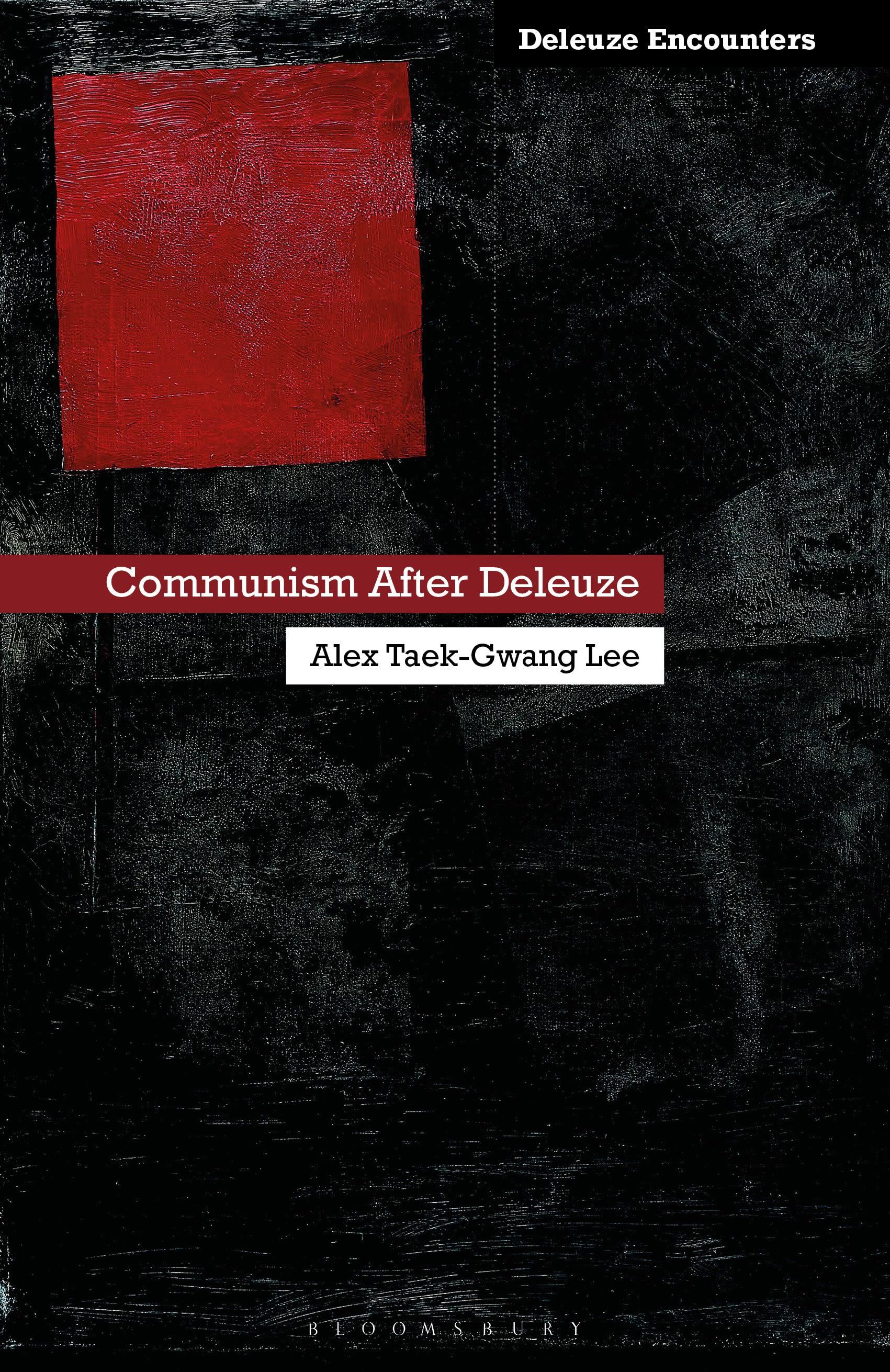
This new reading of Gilles Deleuze forges a link between his early and later works by decoding his hidden agenda for communism.
Encoded in the idea of 'the Third World', Deleuze used his concept of communism as a bulwark against fascist politics and the liberal political economy. Inspired by May 68 and its aftermath, these concealed interpretations of Marx are now tacitly forgotten but can unlock a deeper understanding of Deleuze's political project.
Often regarded as an apolitical philosopher, the challenges that Deleuze mounted to structuralism are easy to overlook. By reinvigorating the communist aspect of his political project and linking his ideas to Alain Badiou, Jacques Rancière and Slavoj Žižek, Alex Taek-Gwang Lee reveals Deleuze's objective: to rescue Marxism from the dogmatic status quo and revive its political agendas. This major undertaking situates his ideas alongside and sets out a new framework for reading the significance of Marxist thought in postwar France. Ultimately, this new understanding of Deleuze's critique of global capitalism opens up his vision of materialistic politics as a means of shaping the people and the proletariat of the future.
Encoded in the idea of 'the Third World', Deleuze used his concept of communism as a bulwark against fascist politics and the liberal political economy. Inspired by May 68 and its aftermath, these concealed interpretations of Marx are now tacitly forgotten but can unlock a deeper understanding of Deleuze's political project.
Often regarded as an apolitical philosopher, the challenges that Deleuze mounted to structuralism are easy to overlook. By reinvigorating the communist aspect of his political project and linking his ideas to Alain Badiou, Jacques Rancière and Slavoj Žižek, Alex Taek-Gwang Lee reveals Deleuze's objective: to rescue Marxism from the dogmatic status quo and revive its political agendas. This major undertaking situates his ideas alongside and sets out a new framework for reading the significance of Marxist thought in postwar France. Ultimately, this new understanding of Deleuze's critique of global capitalism opens up his vision of materialistic politics as a means of shaping the people and the proletariat of the future.
Maksa helposti kortilla, Klarnalla, Apple Paylla tai Google Paylla. Etkö ole tyytyväinen? Sinulla on aina 14 päivän palautusoikeus. Lue lisää ehdoistamme. Jos sinulla on kysyttävää, lähetä meille sähköpostia osoitteeseen hello@memmo.org.
Memmo tekee opiskelusta helpompaa – missä päin maailmaa ikinä oletkin. Meillä yhdistät kurssikirjat ja fiksut opiskelutyökalut yhteen paikkaan: tiivistelmät, visat, podcastit ja muistikortit. Ja sitten Ted, opiskelukaverisi, joka vastaa kaikkeen, mitä ikinä mietitkin. Yli 50 000 opiskelijaa opiskelee jo täällä – rakennettu auttamaan sinua oppimaan nopeammin ja stressaamaan vähemmän.