
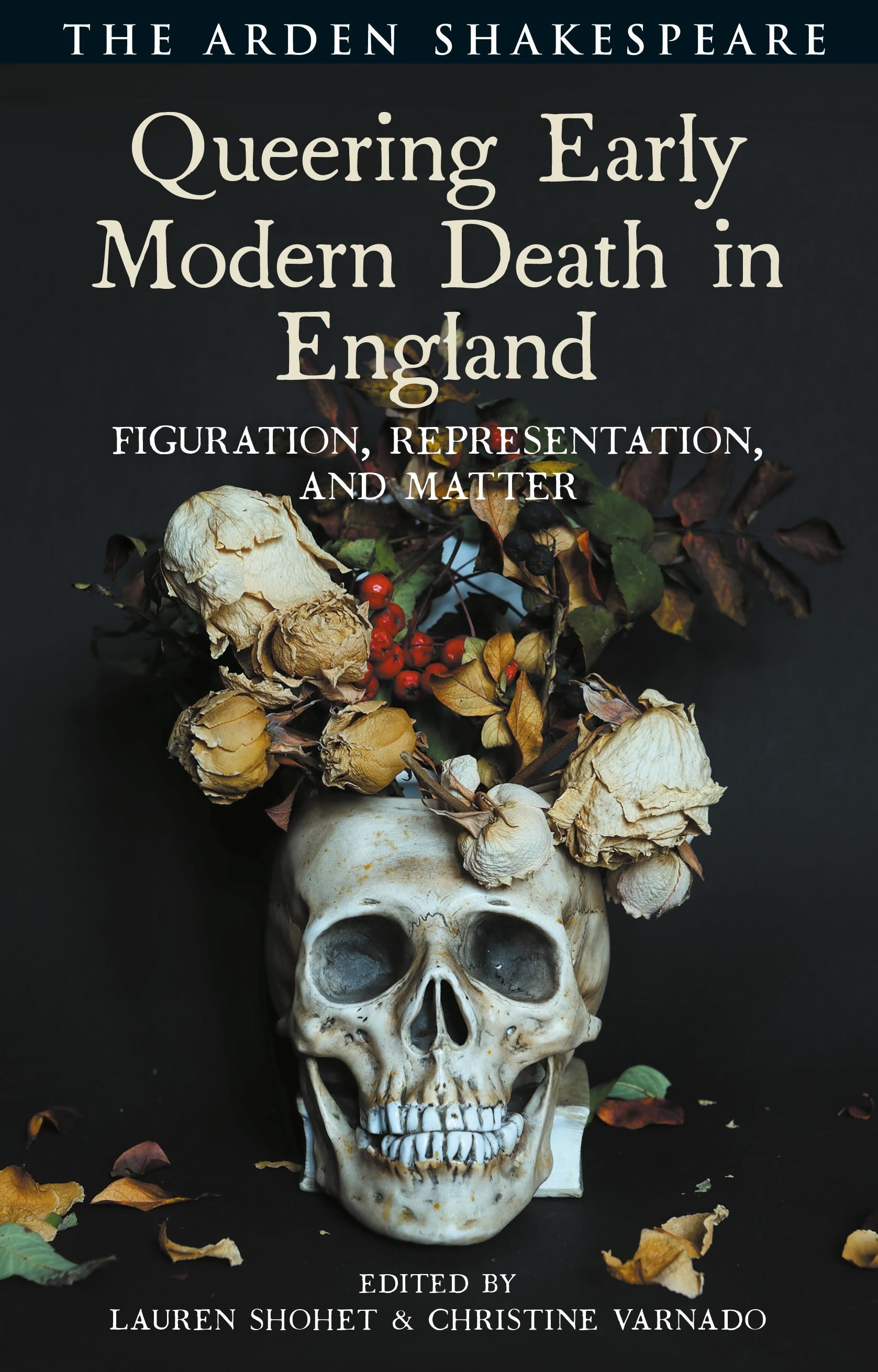
What does queer death have to do with early modern England? This collection interrogates the profoundly queer, strange, excessive, camp and uncanny dimensions of death in early modern English literary, theatrical, and material archives.
Contributors provide new insights on death by using the analytic tools of queer theory, via non-binary analyses of gender, sexuality, humanity, nature, embodiment, and temporality. Turning queer analysis to questions of death allows it to be understood as non-dualist, non-linear, a-teleological, and fruitfully muddled. The essays illuminate early modern experiences before the ascendancy of Cartesian dualism occluded alternative understandings of death. They also speak to a present and a future where many received paradigms no longer hold. Key dramatic texts from the early modern period, including The Duchess of Malfi, The Alchemist, The Spanish Tragedy, The Winter's Tale, Richard III, and A Midsummer Night's Dream, show the expansive possibilities of death and dying in a queer mode. Further essays consider queer dimensions of death in lyric poetry, animal husbandry, typology, and Shakespearean authorship. These approaches make clear why readers interested in queerness and death should immerse themselves in the cultural life of sixteenth and seventeenth century England.
Contributors provide new insights on death by using the analytic tools of queer theory, via non-binary analyses of gender, sexuality, humanity, nature, embodiment, and temporality. Turning queer analysis to questions of death allows it to be understood as non-dualist, non-linear, a-teleological, and fruitfully muddled. The essays illuminate early modern experiences before the ascendancy of Cartesian dualism occluded alternative understandings of death. They also speak to a present and a future where many received paradigms no longer hold. Key dramatic texts from the early modern period, including The Duchess of Malfi, The Alchemist, The Spanish Tragedy, The Winter's Tale, Richard III, and A Midsummer Night's Dream, show the expansive possibilities of death and dying in a queer mode. Further essays consider queer dimensions of death in lyric poetry, animal husbandry, typology, and Shakespearean authorship. These approaches make clear why readers interested in queerness and death should immerse themselves in the cultural life of sixteenth and seventeenth century England.
Maksa helposti kortilla, Klarnalla, Apple Paylla tai Google Paylla. Etkö ole tyytyväinen? Sinulla on aina 14 päivän palautusoikeus. Lue lisää ehdoistamme. Jos sinulla on kysyttävää, lähetä meille sähköpostia osoitteeseen hello@memmo.org.
Memmo tekee opiskelusta helpompaa – missä päin maailmaa ikinä oletkin. Meillä yhdistät kurssikirjat ja fiksut opiskelutyökalut yhteen paikkaan: tiivistelmät, visat, podcastit ja muistikortit. Ja sitten Ted, opiskelukaverisi, joka vastaa kaikkeen, mitä ikinä mietitkin. Yli 50 000 opiskelijaa opiskelee jo täällä – rakennettu auttamaan sinua oppimaan nopeammin ja stressaamaan vähemmän.