
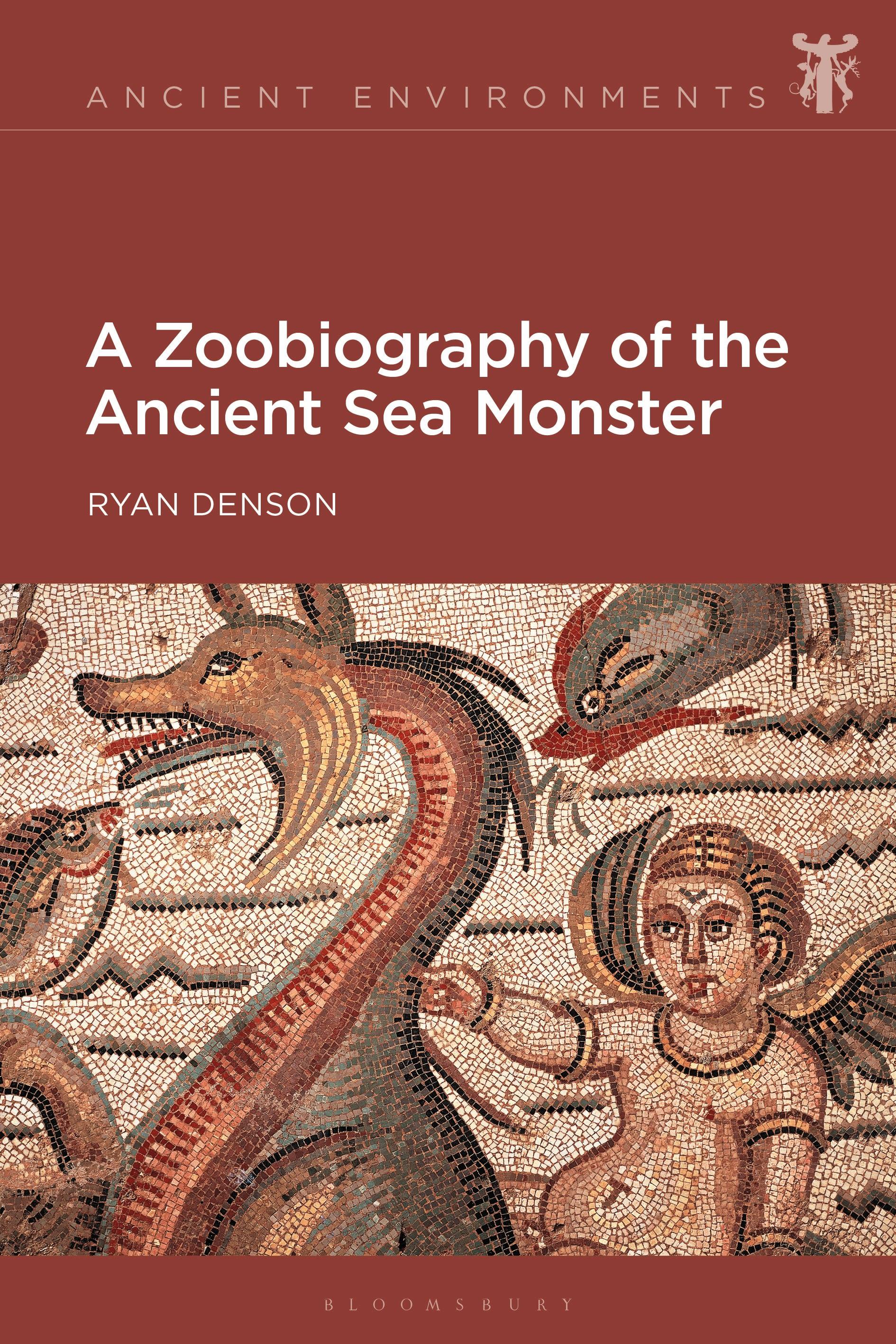
Examining a vast corpus of literary references and artistic representations, this volume offers the first comprehensive study of the ketos - the sea monster imagined by the ancient Greeks and Romans.
The chapters examine the three central traditions of thought that existed about this imaginary animal in Graeco-Roman culture. The first tradition concerns the ketos as a divinely associated monster: a force aligned with marine gods (chiefly Poseidon) and one which was fought by Heracles and Perseus. The second tradition features the ketos in more naturalised contexts, as depicted among ancient geographers and historians, as a type of monster roaming the distant waters of the Atlantic and Indian Oceans. The third tradition concerns the fusion of the ketos with Leviathan and the other Old Testament sea monsters in the minds of early Christians. Accordingly, this classical sea monster became the image of the creature that swallowed Jonah, and, alternatively, a monster associated with the Devil and cosmological evil.
While other monsters of Graeco-Roman mythology, such as the Minotaur and Medusa, are household names in modern popular culture, the ketos has effectively been lost in the modern imagination. Yet it was no small part of the Graeco-Roman imagination. This sea monster formed a key aspect as to how the sea-adjacent societies of ancient Greece and Rome perceived ancient marine environments. It was this fantastic sea beast that so haunted ancient mariners, and in turn, which contributed to ancient perceptions of the marine world as a profoundly alien and hostile environment.
The chapters examine the three central traditions of thought that existed about this imaginary animal in Graeco-Roman culture. The first tradition concerns the ketos as a divinely associated monster: a force aligned with marine gods (chiefly Poseidon) and one which was fought by Heracles and Perseus. The second tradition features the ketos in more naturalised contexts, as depicted among ancient geographers and historians, as a type of monster roaming the distant waters of the Atlantic and Indian Oceans. The third tradition concerns the fusion of the ketos with Leviathan and the other Old Testament sea monsters in the minds of early Christians. Accordingly, this classical sea monster became the image of the creature that swallowed Jonah, and, alternatively, a monster associated with the Devil and cosmological evil.
While other monsters of Graeco-Roman mythology, such as the Minotaur and Medusa, are household names in modern popular culture, the ketos has effectively been lost in the modern imagination. Yet it was no small part of the Graeco-Roman imagination. This sea monster formed a key aspect as to how the sea-adjacent societies of ancient Greece and Rome perceived ancient marine environments. It was this fantastic sea beast that so haunted ancient mariners, and in turn, which contributed to ancient perceptions of the marine world as a profoundly alien and hostile environment.
Maksa helposti kortilla, Klarnalla, Apple Paylla tai Google Paylla. Etkö ole tyytyväinen? Sinulla on aina 14 päivän palautusoikeus. Lue lisää ehdoistamme. Jos sinulla on kysyttävää, lähetä meille sähköpostia osoitteeseen hello@memmo.org.
Memmo tekee opiskelusta helpompaa – missä päin maailmaa ikinä oletkin. Meillä yhdistät kurssikirjat ja fiksut opiskelutyökalut yhteen paikkaan: tiivistelmät, visat, podcastit ja muistikortit. Ja sitten Ted, opiskelukaverisi, joka vastaa kaikkeen, mitä ikinä mietitkin. Yli 50 000 opiskelijaa opiskelee jo täällä – rakennettu auttamaan sinua oppimaan nopeammin ja stressaamaan vähemmän.