
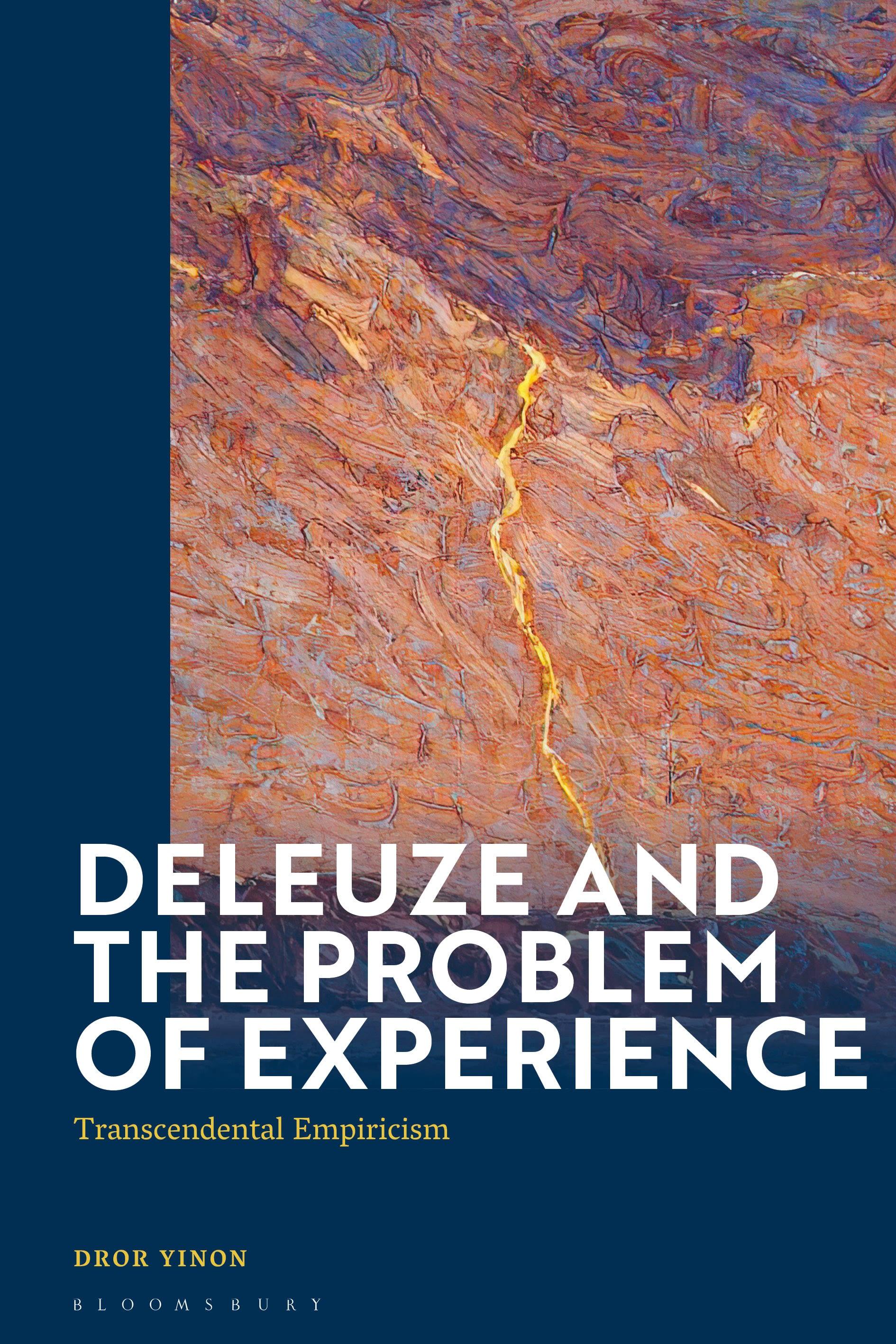
This comprehensive reframing of Gilles Deleuze as a transcendental empiricist delves into his seminal Difference and Repetition to unearth a system that inverts the Kantian worldview. By focusing on Deleuze's theory of the faculties, we can see how he builds a transcendental system of thought that defies the predictability of empirical experience.
The place of experience in the way we understand our relation to the world, to others and to ourselves, is a central theme of modern philosophy. Deleuze's transcendental empiricism points to an unexplored direction in this major philosophical preoccupation. It is a road not taken that, against the tide of his times, rejected the possibility of an immediate contact with being and embraced the possibility of reaching a 'real' that lay beneath many layers of mediation. Unlike many of his contemporaries, Deleuze neither subscribed to a specific philosophical school nor did he try to establish one. This new understanding of him as a transcendental empiricist not only helps to situate his work in the constellation of twentieth century French philosophers but also helps us to understand a philosopher for whom difference and heterogeneity were central to his own philosophical corpus.
The place of experience in the way we understand our relation to the world, to others and to ourselves, is a central theme of modern philosophy. Deleuze's transcendental empiricism points to an unexplored direction in this major philosophical preoccupation. It is a road not taken that, against the tide of his times, rejected the possibility of an immediate contact with being and embraced the possibility of reaching a 'real' that lay beneath many layers of mediation. Unlike many of his contemporaries, Deleuze neither subscribed to a specific philosophical school nor did he try to establish one. This new understanding of him as a transcendental empiricist not only helps to situate his work in the constellation of twentieth century French philosophers but also helps us to understand a philosopher for whom difference and heterogeneity were central to his own philosophical corpus.
Maksa helposti kortilla, Klarnalla, Apple Paylla tai Google Paylla. Etkö ole tyytyväinen? Sinulla on aina 14 päivän palautusoikeus. Lue lisää ehdoistamme. Jos sinulla on kysyttävää, lähetä meille sähköpostia osoitteeseen hello@memmo.org.
Memmo tekee opiskelusta helpompaa – missä päin maailmaa ikinä oletkin. Meillä yhdistät kurssikirjat ja fiksut opiskelutyökalut yhteen paikkaan: tiivistelmät, visat, podcastit ja muistikortit. Ja sitten Ted, opiskelukaverisi, joka vastaa kaikkeen, mitä ikinä mietitkin. Yli 50 000 opiskelijaa opiskelee jo täällä – rakennettu auttamaan sinua oppimaan nopeammin ja stressaamaan vähemmän.