
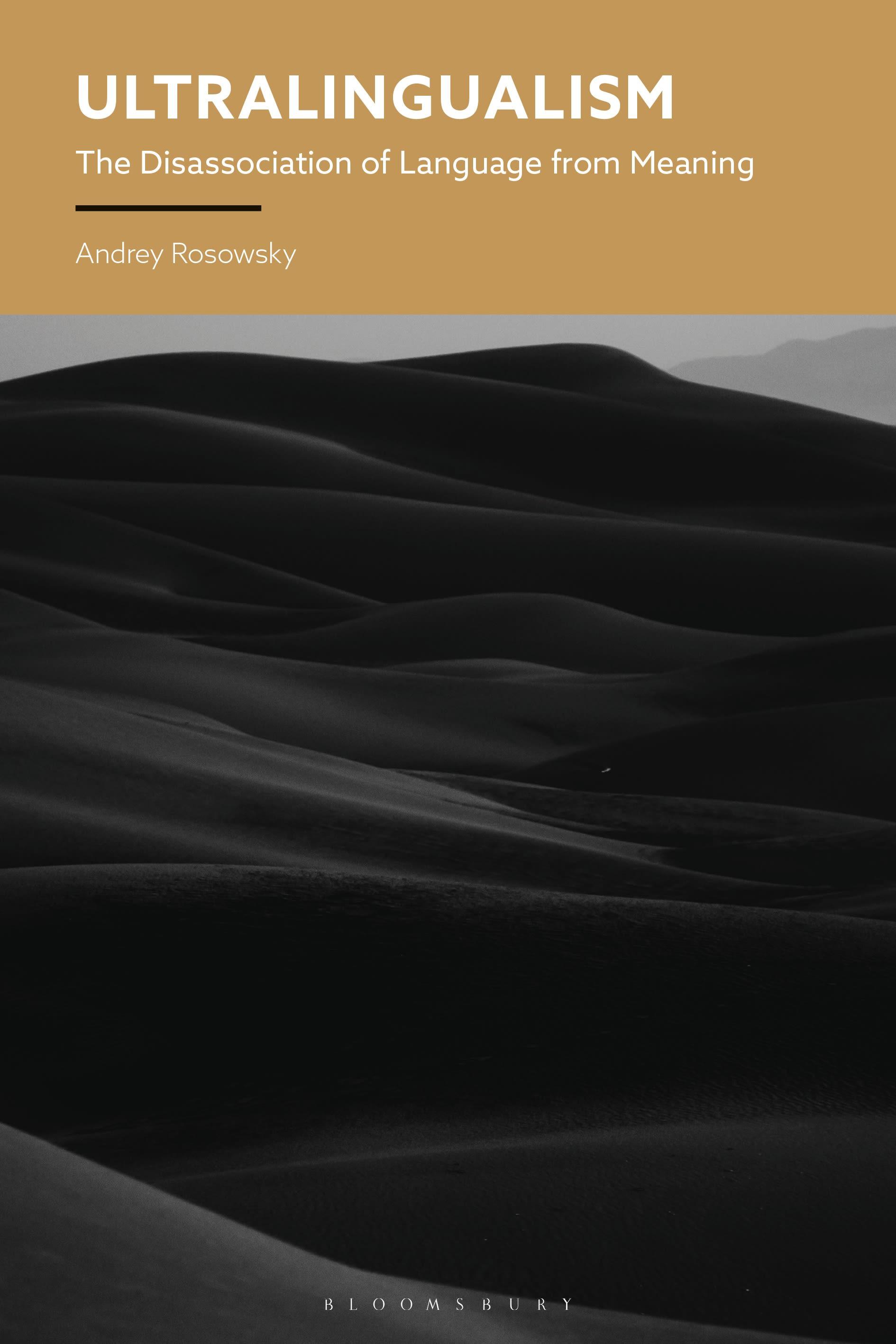
This book offers an introduction to the commonly observed, but generally ignored or misrepresented, practice of using language when referential (semantic) meaning is problematic, partial or even absent.
The concept and term 'ultralingualism' accounts for language performance or use where meaning in the conventional sense lies elsewhere to, or beyond (ultra-), the performer and/or the listener/audience. This book argues for the adoption of the term 'ultralingualism' as an important and previously absent heuristic as a means of capturing the diverse language practices where this language phenomenon occurs.
The book adopts a dynamic and inter-disciplinary theoretical framework that encompasses a range of complementary approaches: linguistic sound or the 'sonic' element of language (real and invented), non-semantic/non-referential language usage, post-vernacular performance, Bauman's heightened performance theory, the ethics of translation, theories linking language and music, and language maintenance and shift theory.
The author presents a range of contexts where ultralingualism can be found including in religious, musical, multilingual literacy, academic, artistic/creative (including popular music) and language revival settings. He shares multifaceted data that illustrate how and why ultralingualism manifests itself in diverse contexts, including interview data; field notes from a number of observations of both live and online ultralingual performances; questionnaire data surveying and documentary exemplifying educational ultralingualism; a review of related literature; personal communications; and analyses of digital texts featuring ultralingualism (including YouTube performances and their BTL comments), and argues that despite the absence of referential meaning, meaning-making still occurs.
The concept and term 'ultralingualism' accounts for language performance or use where meaning in the conventional sense lies elsewhere to, or beyond (ultra-), the performer and/or the listener/audience. This book argues for the adoption of the term 'ultralingualism' as an important and previously absent heuristic as a means of capturing the diverse language practices where this language phenomenon occurs.
The book adopts a dynamic and inter-disciplinary theoretical framework that encompasses a range of complementary approaches: linguistic sound or the 'sonic' element of language (real and invented), non-semantic/non-referential language usage, post-vernacular performance, Bauman's heightened performance theory, the ethics of translation, theories linking language and music, and language maintenance and shift theory.
The author presents a range of contexts where ultralingualism can be found including in religious, musical, multilingual literacy, academic, artistic/creative (including popular music) and language revival settings. He shares multifaceted data that illustrate how and why ultralingualism manifests itself in diverse contexts, including interview data; field notes from a number of observations of both live and online ultralingual performances; questionnaire data surveying and documentary exemplifying educational ultralingualism; a review of related literature; personal communications; and analyses of digital texts featuring ultralingualism (including YouTube performances and their BTL comments), and argues that despite the absence of referential meaning, meaning-making still occurs.
Maksa helposti kortilla, Klarnalla, Apple Paylla tai Google Paylla. Etkö ole tyytyväinen? Sinulla on aina 14 päivän palautusoikeus. Lue lisää ehdoistamme. Jos sinulla on kysyttävää, lähetä meille sähköpostia osoitteeseen hello@memmo.org.
Memmo tekee opiskelusta helpompaa – missä päin maailmaa ikinä oletkin. Meillä yhdistät kurssikirjat ja fiksut opiskelutyökalut yhteen paikkaan: tiivistelmät, visat, podcastit ja muistikortit. Ja sitten Ted, opiskelukaverisi, joka vastaa kaikkeen, mitä ikinä mietitkin. Yli 50 000 opiskelijaa opiskelee jo täällä – rakennettu auttamaan sinua oppimaan nopeammin ja stressaamaan vähemmän.