
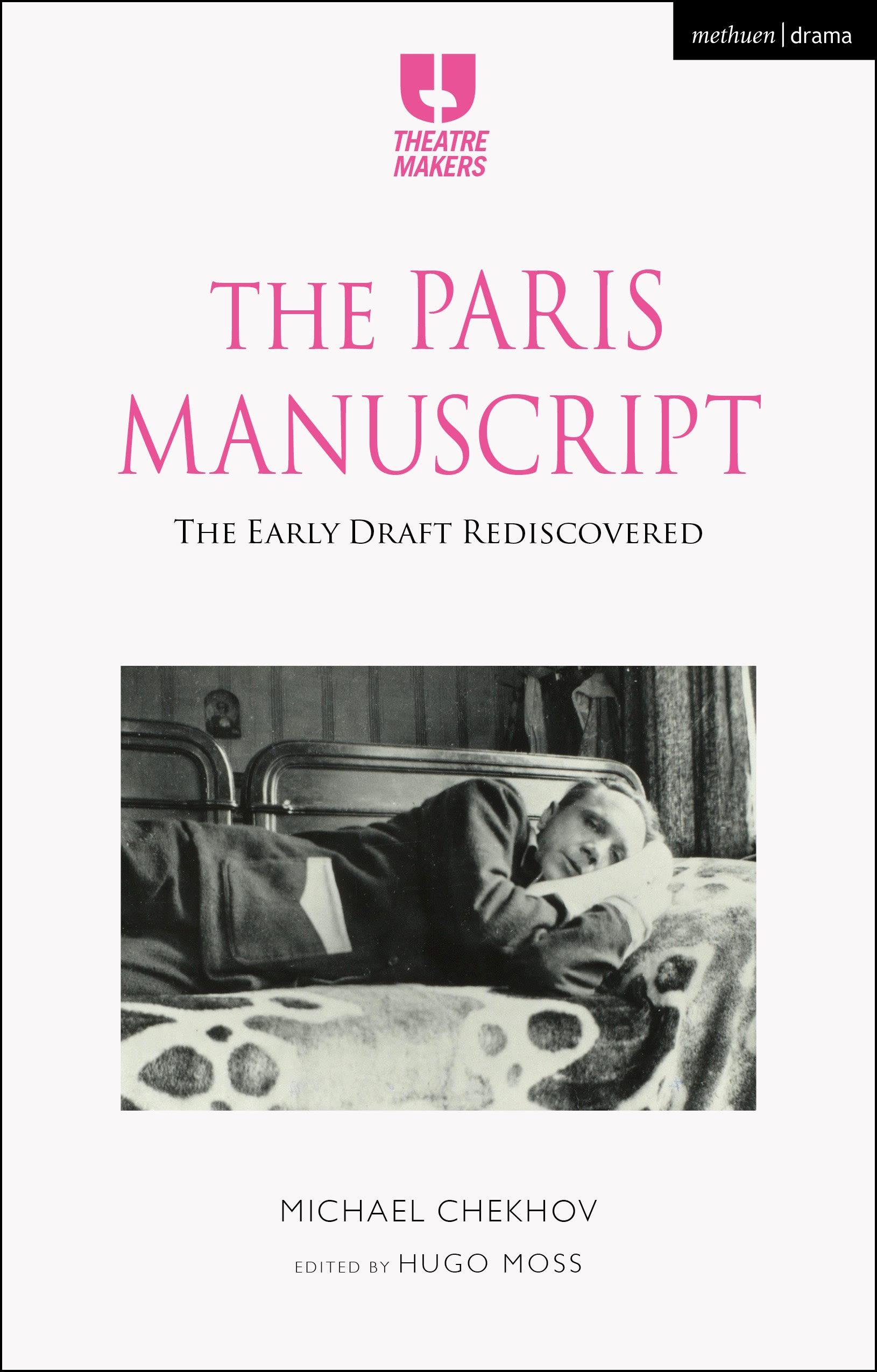
In the early 1930s, during his first years of exile and 20 years before the publication of his seminal work To the Actor, Michael Chekhov made his first incursion into the challenging task of writing about an actor's experience and his vision of the craft.
This important, though largely forgotten, work (the so-called 'Paris Manuscript') was handwritten in German and in it we find Chekhov laying the groundwork for the canon of exercises and practices that, nearly a century later, has widely become known as the Michael Chekhov Technique. Although never completed, the manuscript affords a privileged fly-on-the-wall glimpse of the dawning of an artistic genius's creative vision.
This manuscript was the result of Chekhov's rich collaboration with Swiss theatre director, painter and illustrator Georgette Boner, and the text itself is supplemented with facsimile scans of manuscript pages, photographs, correspondence and other material from Boner's personal archive.
As the popularity of the Michael Chekhov Technique continues to spread globally, the 'Paris Manuscript' offers a timely invitation for actors to take a step back and (re)discover for themselves the structural foundations of Michael Chekhov's vision.
Chekhov's text has been translated, edited and abridged by Hugo Moss, co-founder and director of Michael Chekhov Brasil, who has written an introduction and a series of short essays, 'Reflections From the Studio', which build on a few key elements emerging from the manuscript and over a decade of exploring Chekhov's artistic legacy in the studio environment and in performance.
This important, though largely forgotten, work (the so-called 'Paris Manuscript') was handwritten in German and in it we find Chekhov laying the groundwork for the canon of exercises and practices that, nearly a century later, has widely become known as the Michael Chekhov Technique. Although never completed, the manuscript affords a privileged fly-on-the-wall glimpse of the dawning of an artistic genius's creative vision.
This manuscript was the result of Chekhov's rich collaboration with Swiss theatre director, painter and illustrator Georgette Boner, and the text itself is supplemented with facsimile scans of manuscript pages, photographs, correspondence and other material from Boner's personal archive.
As the popularity of the Michael Chekhov Technique continues to spread globally, the 'Paris Manuscript' offers a timely invitation for actors to take a step back and (re)discover for themselves the structural foundations of Michael Chekhov's vision.
Chekhov's text has been translated, edited and abridged by Hugo Moss, co-founder and director of Michael Chekhov Brasil, who has written an introduction and a series of short essays, 'Reflections From the Studio', which build on a few key elements emerging from the manuscript and over a decade of exploring Chekhov's artistic legacy in the studio environment and in performance.
Maksa helposti kortilla, Klarnalla, Apple Paylla tai Google Paylla. Etkö ole tyytyväinen? Sinulla on aina 14 päivän palautusoikeus. Lue lisää ehdoistamme. Jos sinulla on kysyttävää, lähetä meille sähköpostia osoitteeseen hello@memmo.org.
Memmo tekee opiskelusta helpompaa – missä päin maailmaa ikinä oletkin. Meillä yhdistät kurssikirjat ja fiksut opiskelutyökalut yhteen paikkaan: tiivistelmät, visat, podcastit ja muistikortit. Ja sitten Ted, opiskelukaverisi, joka vastaa kaikkeen, mitä ikinä mietitkin. Yli 50 000 opiskelijaa opiskelee jo täällä – rakennettu auttamaan sinua oppimaan nopeammin ja stressaamaan vähemmän.