
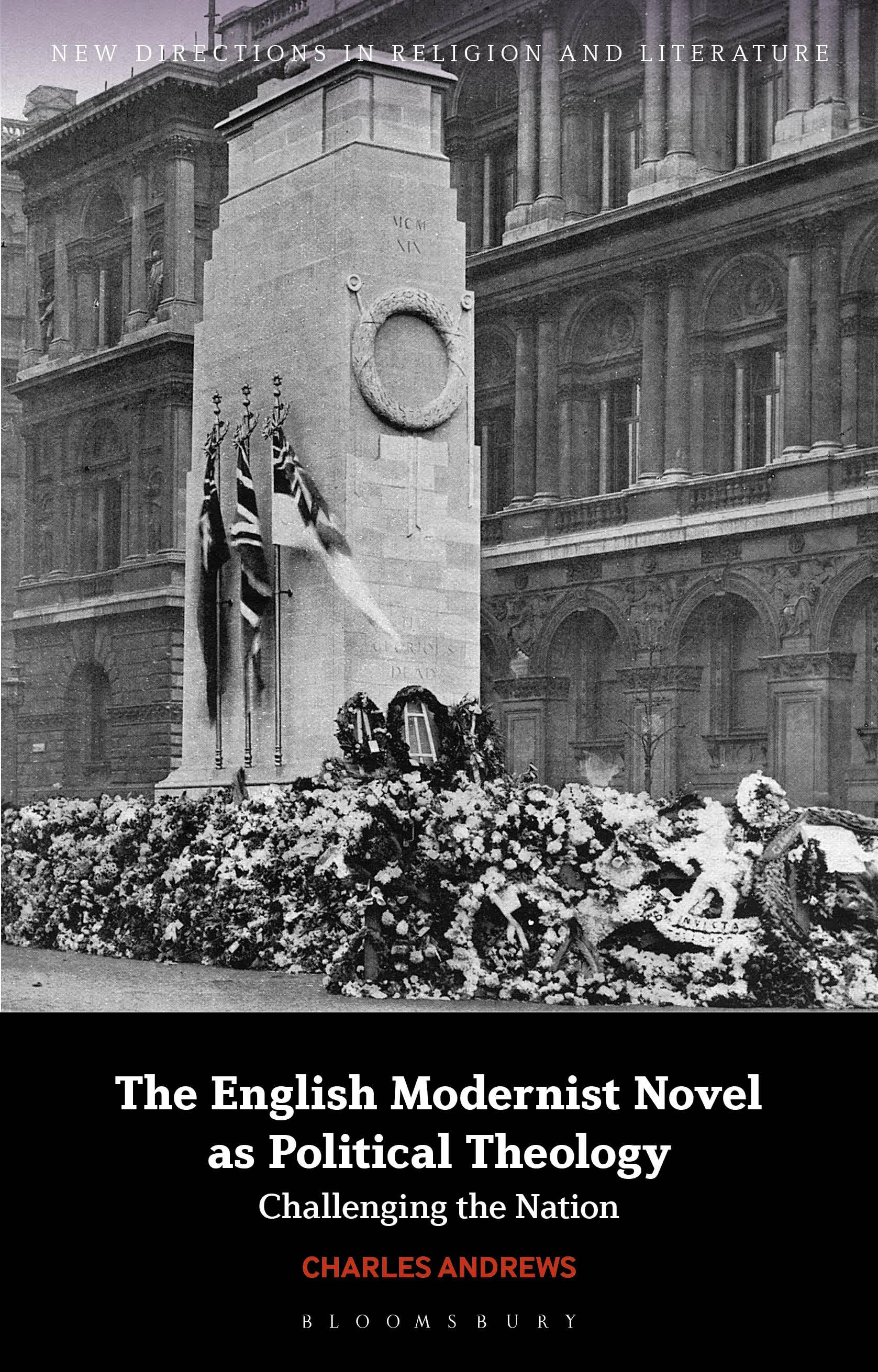
A 2024 CHOICE OUTSTANDING ACADEMIC TITLE
novels by Virginia Woolf, D. H. Lawrence, Evelyn Waugh, and Sylvia Townsend Warner as political theology – works that imagine a resistance to the fusion of Christianity and patriotism which fuelled and supported the First World War – this book shows how we can gain valuable insights from their works for anti-militarist, anti-statist, and anti-nationalist efforts today.
While none of the four novelists in this study were committed Christians during the 1920s, Andrews explores how their fiction written in the wake of the First World War operates theologically when it challenges English civil religion – the rituals of the nation that elevate the state to a form of divinity. Bringing these novels into a dialogue with recent political theologies by theorists and theologians including Giorgio Agamben, William Cavanaugh, Simon Critchley, Michel Foucault, Stanley Hauerwas and Jürgen Moltmann, this book shows the myriad ways that we can learn from the authors' theopolitical imaginations.
Andrews demonstrates the many ways that these novelists issue a challenge to the problems with civil religion and the sacralized nation state and, in so doing, offer alternative visions to coordinate our inner lives with our public and collective actions.
novels by Virginia Woolf, D. H. Lawrence, Evelyn Waugh, and Sylvia Townsend Warner as political theology – works that imagine a resistance to the fusion of Christianity and patriotism which fuelled and supported the First World War – this book shows how we can gain valuable insights from their works for anti-militarist, anti-statist, and anti-nationalist efforts today.
While none of the four novelists in this study were committed Christians during the 1920s, Andrews explores how their fiction written in the wake of the First World War operates theologically when it challenges English civil religion – the rituals of the nation that elevate the state to a form of divinity. Bringing these novels into a dialogue with recent political theologies by theorists and theologians including Giorgio Agamben, William Cavanaugh, Simon Critchley, Michel Foucault, Stanley Hauerwas and Jürgen Moltmann, this book shows the myriad ways that we can learn from the authors' theopolitical imaginations.
Andrews demonstrates the many ways that these novelists issue a challenge to the problems with civil religion and the sacralized nation state and, in so doing, offer alternative visions to coordinate our inner lives with our public and collective actions.
Maksa helposti kortilla, Klarnalla, Apple Paylla tai Google Paylla. Etkö ole tyytyväinen? Sinulla on aina 14 päivän palautusoikeus. Lue lisää ehdoistamme. Jos sinulla on kysyttävää, lähetä meille sähköpostia osoitteeseen hello@memmo.org.
Memmo tekee opiskelusta helpompaa – missä päin maailmaa ikinä oletkin. Meillä yhdistät kurssikirjat ja fiksut opiskelutyökalut yhteen paikkaan: tiivistelmät, visat, podcastit ja muistikortit. Ja sitten Ted, opiskelukaverisi, joka vastaa kaikkeen, mitä ikinä mietitkin. Yli 50 000 opiskelijaa opiskelee jo täällä – rakennettu auttamaan sinua oppimaan nopeammin ja stressaamaan vähemmän.