
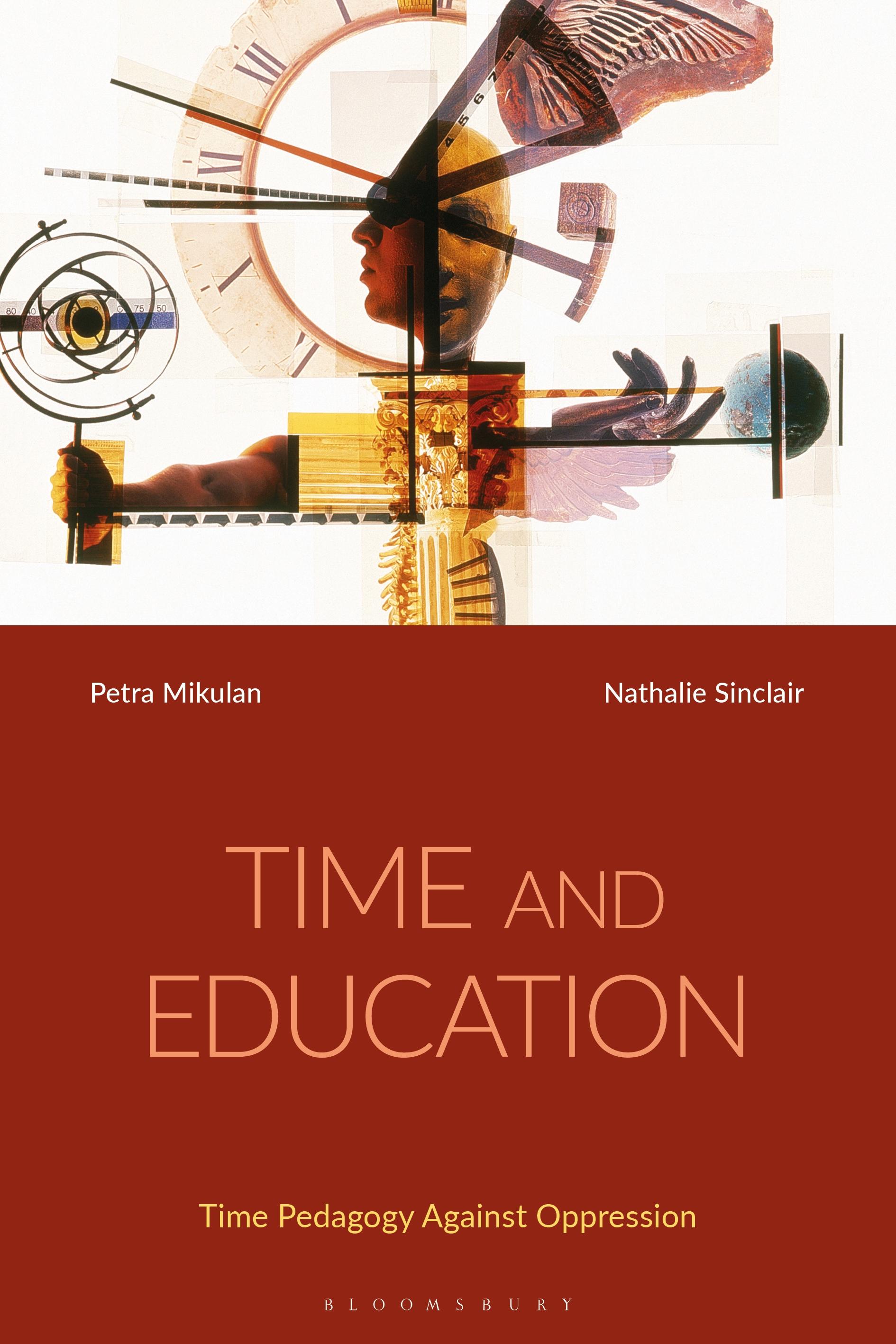
Despite pervading all aspects of educational practice and theory, little scholarship focuses on time in education. This book addresses that lacuna questioning our assumptions about time and their ramifications on theories of learning, issues of equity and diversity, and on the purposes of education itself.
The authors examine ideas about time in a wide variety of contexts, from ancient Greek fiction to 19th century theories of evolution and from 20th century indigenous stories to 20th century afro-futurist fiction. They show how pervasive the image of 'time as an arrow' has become, an image of time that is one-way, singular and teleological. Through exploring other theories of time, the authors propose alternatives for time in education. They argue that time is one of the key biopolitical tools we think and operate with, but rarely address as a historical, cultural and pedagogical category with which schools reproduce oppressive structures around race, class, and gender in society.
The book draws on ideas from the arts and the sciences to illustrate and trouble assumptions of time drawing on artistic and theoretic work from Édouard Glissant, Henri Lefebvre, Giordano Nanni, Denise Ferreira da Silva, Bonnie Honig and others.
The authors examine ideas about time in a wide variety of contexts, from ancient Greek fiction to 19th century theories of evolution and from 20th century indigenous stories to 20th century afro-futurist fiction. They show how pervasive the image of 'time as an arrow' has become, an image of time that is one-way, singular and teleological. Through exploring other theories of time, the authors propose alternatives for time in education. They argue that time is one of the key biopolitical tools we think and operate with, but rarely address as a historical, cultural and pedagogical category with which schools reproduce oppressive structures around race, class, and gender in society.
The book draws on ideas from the arts and the sciences to illustrate and trouble assumptions of time drawing on artistic and theoretic work from Édouard Glissant, Henri Lefebvre, Giordano Nanni, Denise Ferreira da Silva, Bonnie Honig and others.
Maksa helposti kortilla, Klarnalla, Apple Paylla tai Google Paylla. Etkö ole tyytyväinen? Sinulla on aina 14 päivän palautusoikeus. Lue lisää ehdoistamme. Jos sinulla on kysyttävää, lähetä meille sähköpostia osoitteeseen hello@memmo.org.
Memmo tekee opiskelusta helpompaa – missä päin maailmaa ikinä oletkin. Meillä yhdistät kurssikirjat ja fiksut opiskelutyökalut yhteen paikkaan: tiivistelmät, visat, podcastit ja muistikortit. Ja sitten Ted, opiskelukaverisi, joka vastaa kaikkeen, mitä ikinä mietitkin. Yli 50 000 opiskelijaa opiskelee jo täällä – rakennettu auttamaan sinua oppimaan nopeammin ja stressaamaan vähemmän.