
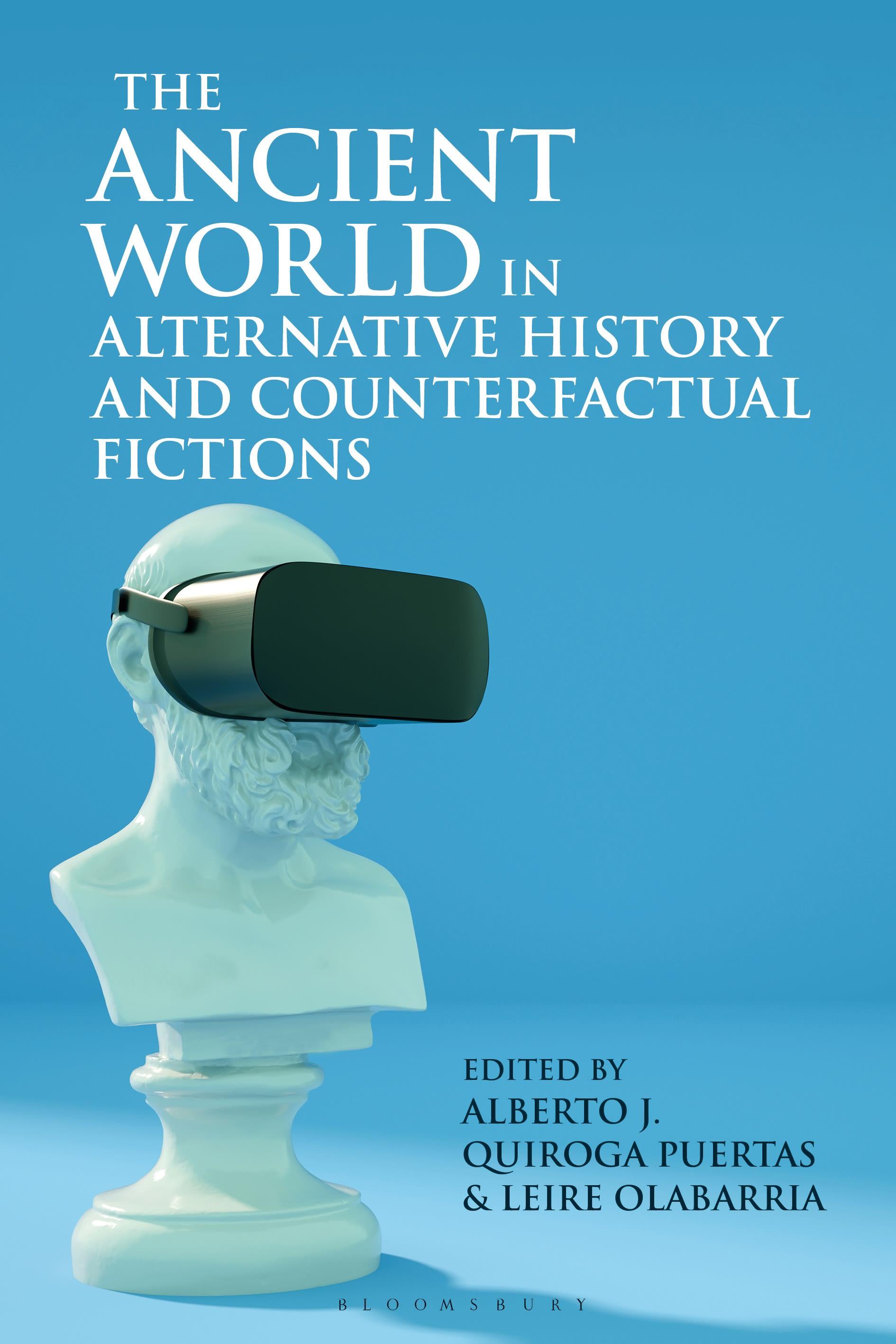
Focusing in turn on history, powerful individuals, under-represented voices and the arts, the essays in this collection cover a wide variety of modern and contemporary narrative fiction from Jo Walton and L. Sprague De Camp to T. S. Chaudhry and Catherynne M. Valente. Chapters look into the question of chance versus determinism in the unfolding of historical events, the role individuals play in shaping a society or occasion, and the way art and literature symbolise important messages in counterfactual histories. They also show how uchronic narratives can take advantage of modern literary techniques to reveal new and relevant aspects of the past, giving voices to marginalised minorities and suppressed individuals of the ancient world.
Counterfactual fiction and uchronic narratives have been largely up until now the domain of literary critics. However, these modes of literature are here analysed by scholars of Ancient History, Egyptology and Classics, shedding important new light on how cultures of the ancient world have been (and still are) perceived, and to what extent our conceptions of the past are used to explore alternate presents and futures. Alternate history entices the imagination of the public by suggesting hypothetical scenarios that never occurred, underlining a latent tension between reality and imagination, and between determinism and contingency. This interest has resulted in a growing number of publications that gauge the impact of what-if narratives, and this one is the first to give scholars of the ancient world centre-stage.
Counterfactual fiction and uchronic narratives have been largely up until now the domain of literary critics. However, these modes of literature are here analysed by scholars of Ancient History, Egyptology and Classics, shedding important new light on how cultures of the ancient world have been (and still are) perceived, and to what extent our conceptions of the past are used to explore alternate presents and futures. Alternate history entices the imagination of the public by suggesting hypothetical scenarios that never occurred, underlining a latent tension between reality and imagination, and between determinism and contingency. This interest has resulted in a growing number of publications that gauge the impact of what-if narratives, and this one is the first to give scholars of the ancient world centre-stage.
Sivuja: 256
Kategoria: Arkeologi & Antikvetenskap
e-ISBN: 9781350281646
Lähetyspaino: 1.2 kg
Toimitusaika: 1-2 päivää
Maksa helposti kortilla, Klarnalla, Apple Paylla tai Google Paylla. Etkö ole tyytyväinen? Sinulla on aina 14 päivän palautusoikeus. Lue lisää ehdoistamme. Jos sinulla on kysyttävää, lähetä meille sähköpostia osoitteeseen hello@memmo.org.
Memmo tekee opiskelusta helpompaa – missä päin maailmaa ikinä oletkin. Meillä yhdistät kurssikirjat ja fiksut opiskelutyökalut yhteen paikkaan: tiivistelmät, visat, podcastit ja muistikortit. Ja sitten Ted, opiskelukaverisi, joka vastaa kaikkeen, mitä ikinä mietitkin. Yli 50 000 opiskelijaa opiskelee jo täällä – rakennettu auttamaan sinua oppimaan nopeammin ja stressaamaan vähemmän.