
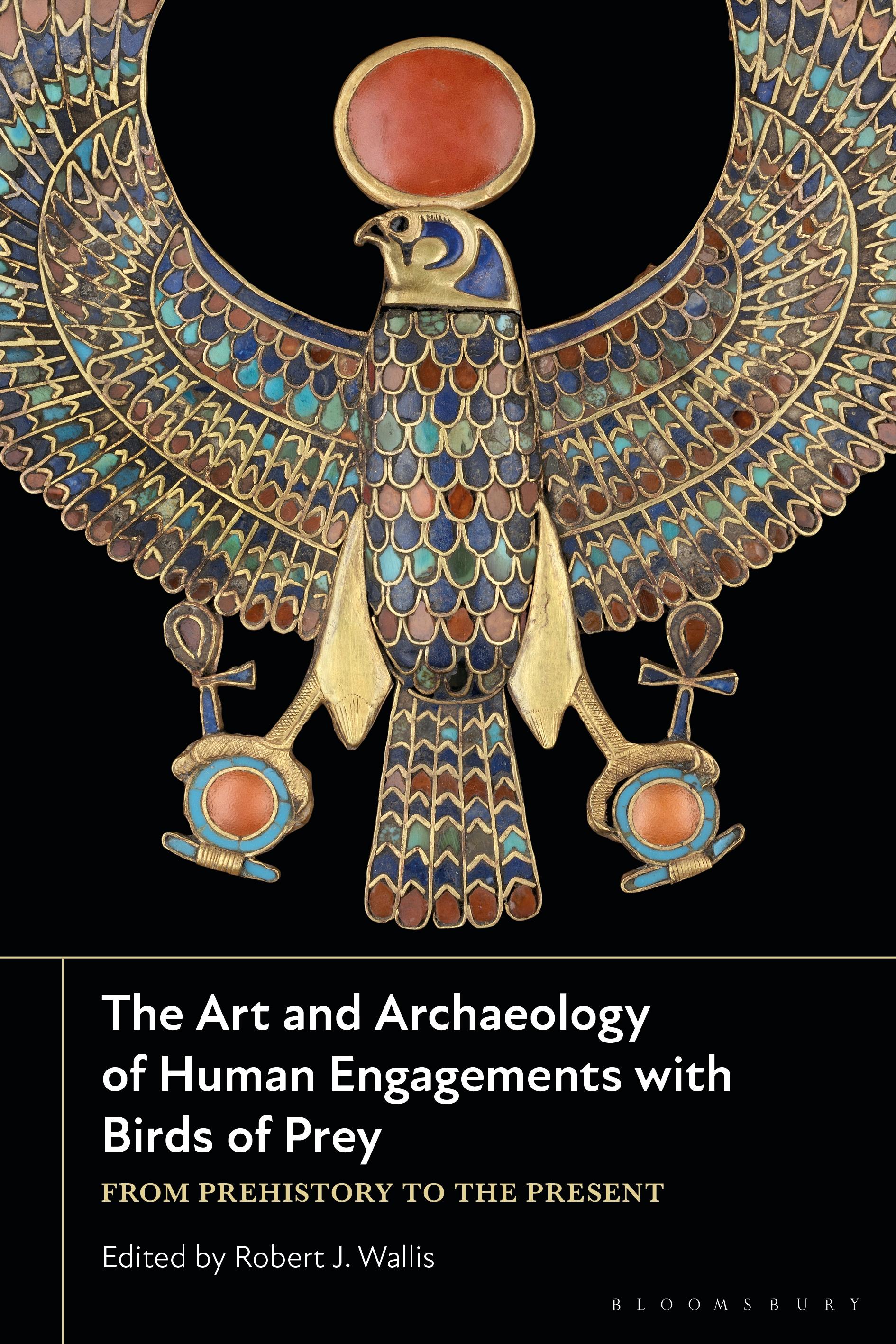
Of all avian groups, birds of prey in particular have long been a prominent subject of fascination in many human societies. This book demonstrates that the art and materiality of human engagements with raptors has been significant through deep time and across the world, from earliest prehistory to Indigenous thinking in the present day. Drawing on a wide range of global case studies and a plurality of complementary perspectives, it explores the varied and fluid dynamics between humans and birds of prey as evidenced in this diverse art-historical and archaeological record.
From their depictions as powerful beings in visual art and their important roles in Indigenous mythologies, to the significance of their body parts as active agents in religious rituals, the intentional deposition of their faunal remains and the display of their preserved bodies in museums, there is no doubt that birds of prey have been figures of great import for the shaping of human society and culture. However, several of the chapters in this volume are particularly concerned with looking beyond the culture–nature dichotomy and human-centred accounts to explore perspectival and other post-humanist thinking on human–raptor ontologies and epistemologies. The contributors recognize that human–raptor relationships are not driven exclusively by human intentionality, and that when these species meet they relate-to and become-with one another. This 'raptor-with-human'-focused approach allows for a productive re-framing of questions about human–raptor interstices, enables fresh thinking about established evidence and offers signposts for present and future intra-actions with birds of prey.
From their depictions as powerful beings in visual art and their important roles in Indigenous mythologies, to the significance of their body parts as active agents in religious rituals, the intentional deposition of their faunal remains and the display of their preserved bodies in museums, there is no doubt that birds of prey have been figures of great import for the shaping of human society and culture. However, several of the chapters in this volume are particularly concerned with looking beyond the culture–nature dichotomy and human-centred accounts to explore perspectival and other post-humanist thinking on human–raptor ontologies and epistemologies. The contributors recognize that human–raptor relationships are not driven exclusively by human intentionality, and that when these species meet they relate-to and become-with one another. This 'raptor-with-human'-focused approach allows for a productive re-framing of questions about human–raptor interstices, enables fresh thinking about established evidence and offers signposts for present and future intra-actions with birds of prey.
Sivuja: 264
Kategoria: Arkeologi & Antikvetenskap
e-ISBN: 9781350268012
Lähetyspaino: 1.2 kg
Toimitusaika: 1-2 päivää
Maksa helposti kortilla, Klarnalla, Apple Paylla tai Google Paylla. Etkö ole tyytyväinen? Sinulla on aina 14 päivän palautusoikeus. Lue lisää ehdoistamme. Jos sinulla on kysyttävää, lähetä meille sähköpostia osoitteeseen hello@memmo.org.
Memmo tekee opiskelusta helpompaa – missä päin maailmaa ikinä oletkin. Meillä yhdistät kurssikirjat ja fiksut opiskelutyökalut yhteen paikkaan: tiivistelmät, visat, podcastit ja muistikortit. Ja sitten Ted, opiskelukaverisi, joka vastaa kaikkeen, mitä ikinä mietitkin. Yli 50 000 opiskelijaa opiskelee jo täällä – rakennettu auttamaan sinua oppimaan nopeammin ja stressaamaan vähemmän.