
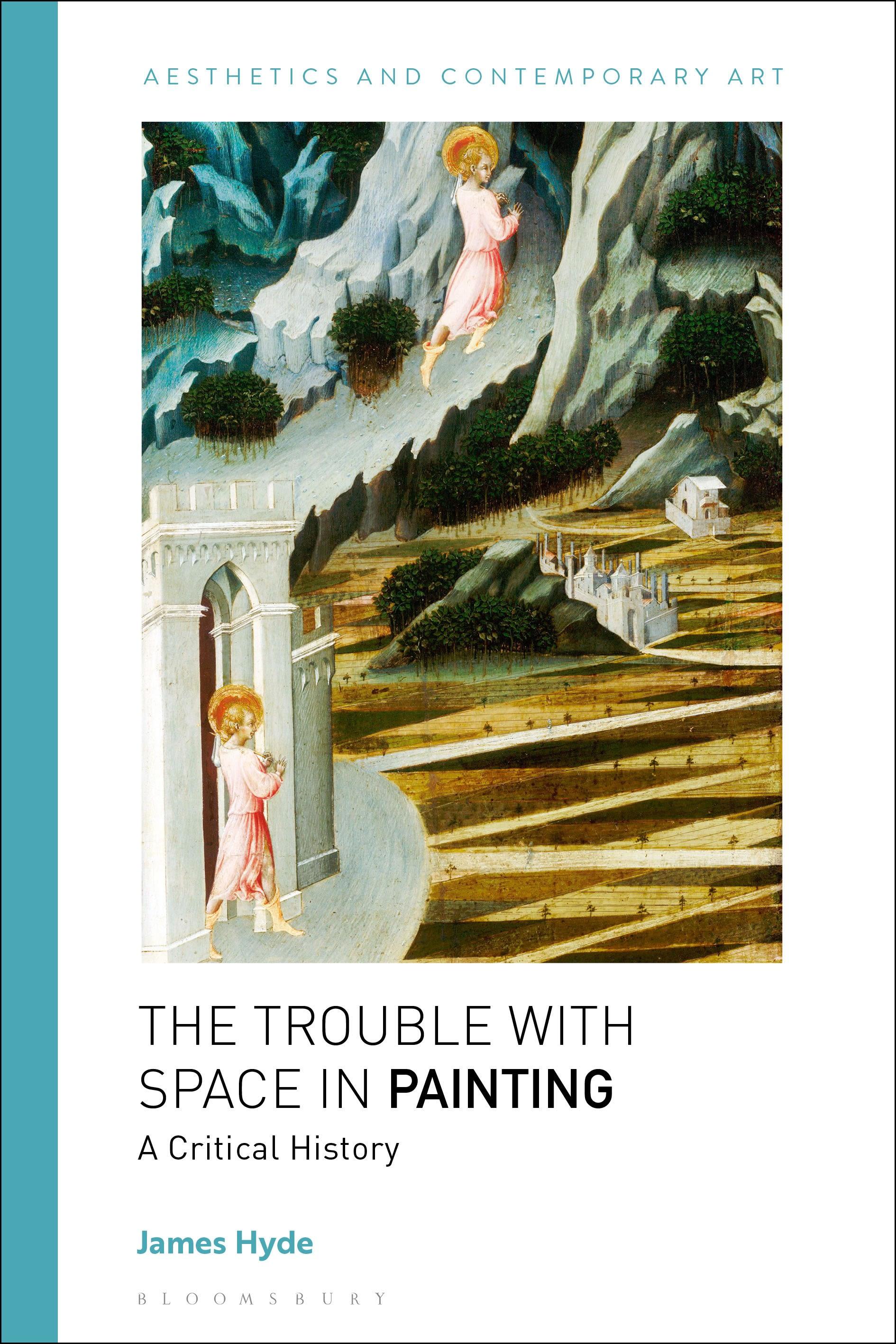
James Hyde, a practicing painter, presents a radical and historically detailed investigation into how the concept of pictorial space in art emerged.
Using primary documents and a selection of images, Hyde exposes what many will find surprising-that space only becomes part of the descriptive apparatus of art and architecture at the turn of the 20th century, not earlier. Remarkably, this is the first critical study of pictorial space as a historical construction. In this retelling of art history, Hyde presents it as a concept bound to historical circumstance, developing -often contentiously-in philosophy, mathematics and science, to finally become common in 20th century theorizations of art.
Hyde investigates and identifies the historical moments when space first enters discussions about art and how it originally developed in religion, philosophy, mathematics and science. He shows that only after several key controversies were stabilized that space finally emerged as a topic for visual art at the turn of the 20th century. The stories of these debuts introduce Kant, Poincare and Panofsky, thinkers who provided theories of space that were taken up by artists. They reveal the creative and imaginative ideas that forged the belief that space is essential to understanding art.
The ease of applying space to almost any context makes space prevalent today. It is unexamined faith, rather than a clear-eyed understanding of its historical construction that currently anchors space within the discourse of art. Hyde's original reading of what has become a broad, catch-all concept provides a reconsideration of the foundations of the history and philosophy of visual art.
Using primary documents and a selection of images, Hyde exposes what many will find surprising-that space only becomes part of the descriptive apparatus of art and architecture at the turn of the 20th century, not earlier. Remarkably, this is the first critical study of pictorial space as a historical construction. In this retelling of art history, Hyde presents it as a concept bound to historical circumstance, developing -often contentiously-in philosophy, mathematics and science, to finally become common in 20th century theorizations of art.
Hyde investigates and identifies the historical moments when space first enters discussions about art and how it originally developed in religion, philosophy, mathematics and science. He shows that only after several key controversies were stabilized that space finally emerged as a topic for visual art at the turn of the 20th century. The stories of these debuts introduce Kant, Poincare and Panofsky, thinkers who provided theories of space that were taken up by artists. They reveal the creative and imaginative ideas that forged the belief that space is essential to understanding art.
The ease of applying space to almost any context makes space prevalent today. It is unexamined faith, rather than a clear-eyed understanding of its historical construction that currently anchors space within the discourse of art. Hyde's original reading of what has become a broad, catch-all concept provides a reconsideration of the foundations of the history and philosophy of visual art.
Sivuja: 328
Kategoria: Konst, Design & Fotografi
e-ISBN: 9781350253681
Lähetyspaino: 1.2 kg
Toimitusaika: 1-2 päivää
Maksa helposti kortilla, Klarnalla, Apple Paylla tai Google Paylla. Etkö ole tyytyväinen? Sinulla on aina 14 päivän palautusoikeus. Lue lisää ehdoistamme. Jos sinulla on kysyttävää, lähetä meille sähköpostia osoitteeseen hello@memmo.org.
Memmo tekee opiskelusta helpompaa – missä päin maailmaa ikinä oletkin. Meillä yhdistät kurssikirjat ja fiksut opiskelutyökalut yhteen paikkaan: tiivistelmät, visat, podcastit ja muistikortit. Ja sitten Ted, opiskelukaverisi, joka vastaa kaikkeen, mitä ikinä mietitkin. Yli 50 000 opiskelijaa opiskelee jo täällä – rakennettu auttamaan sinua oppimaan nopeammin ja stressaamaan vähemmän.