
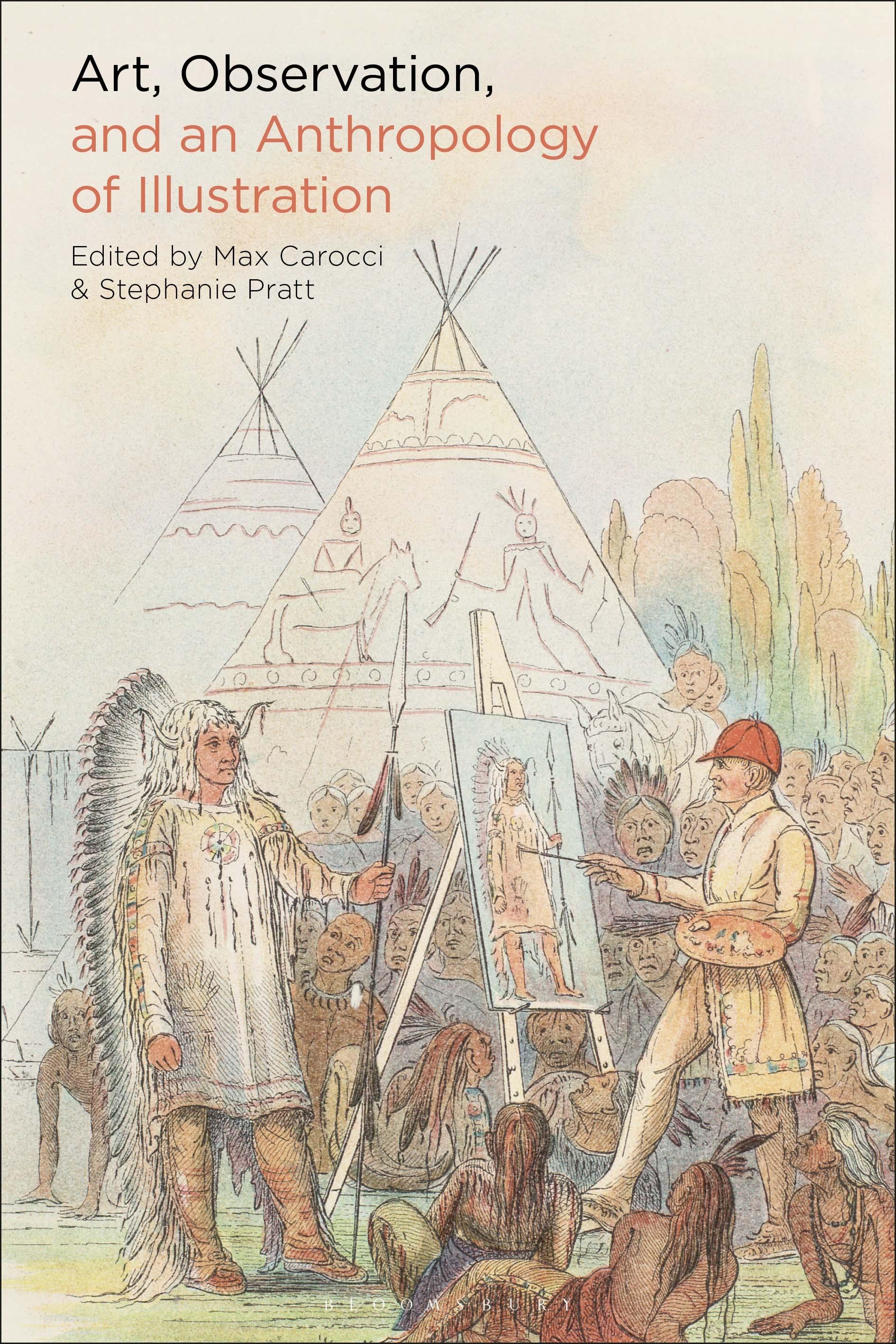
Art, Observation, and an Anthropology of Illustration examines the role of sketches, drawings and other artworks in our understanding of human cultures of the past.
Bringing together art historians and anthropologists, it presents a selection of detailed case studies of various bodies of work produced by non-Western and Western artists from different world regions and from different time periods (from Native North America, Cameroon, and Nepal, to Italy, Solomon Islands, and Mexico) to explore the contemporary relevance and challenges implicit in artistic renditions of past peoples and places.
In an age when identities are partially constructed on the basis of existing visual records, the book asks important questions about the nature of observation and the inclusion of culturally-relevant information in artistic representations. How reliable are watercolours, paintings, or sketches for the understanding of past ways of life? How do old images of bygone peoples relate to art historical and anthropological canons? How have these images and technologies of representation been used to describe, illustrate, or explain unknown realities?
The book is an essential tool for art historians, anthropologists, and anyone who wants to understand how the observation of different realities has impacted upon the production of art and visual cultures. Incorporating current methodological and theoretical tools, the 10 chapters collected here expand the area of connection between the disciplines of art history and anthropology, bringing into sharp focus the multiple intersections of objectivity, evidence, and artistic licence.
Bringing together art historians and anthropologists, it presents a selection of detailed case studies of various bodies of work produced by non-Western and Western artists from different world regions and from different time periods (from Native North America, Cameroon, and Nepal, to Italy, Solomon Islands, and Mexico) to explore the contemporary relevance and challenges implicit in artistic renditions of past peoples and places.
In an age when identities are partially constructed on the basis of existing visual records, the book asks important questions about the nature of observation and the inclusion of culturally-relevant information in artistic representations. How reliable are watercolours, paintings, or sketches for the understanding of past ways of life? How do old images of bygone peoples relate to art historical and anthropological canons? How have these images and technologies of representation been used to describe, illustrate, or explain unknown realities?
The book is an essential tool for art historians, anthropologists, and anyone who wants to understand how the observation of different realities has impacted upon the production of art and visual cultures. Incorporating current methodological and theoretical tools, the 10 chapters collected here expand the area of connection between the disciplines of art history and anthropology, bringing into sharp focus the multiple intersections of objectivity, evidence, and artistic licence.
Sivuja: 256
Kategoria: Konst, Design & Fotografi
e-ISBN: 9781350248458
Lähetyspaino: 1.2 kg
Toimitusaika: 1-2 päivää
Maksa helposti kortilla, Klarnalla, Apple Paylla tai Google Paylla. Etkö ole tyytyväinen? Sinulla on aina 14 päivän palautusoikeus. Lue lisää ehdoistamme. Jos sinulla on kysyttävää, lähetä meille sähköpostia osoitteeseen hello@memmo.org.
Memmo tekee opiskelusta helpompaa – missä päin maailmaa ikinä oletkin. Meillä yhdistät kurssikirjat ja fiksut opiskelutyökalut yhteen paikkaan: tiivistelmät, visat, podcastit ja muistikortit. Ja sitten Ted, opiskelukaverisi, joka vastaa kaikkeen, mitä ikinä mietitkin. Yli 50 000 opiskelijaa opiskelee jo täällä – rakennettu auttamaan sinua oppimaan nopeammin ja stressaamaan vähemmän.