
Winner of the British Association of Film, Television and Screen Studies (BAFTSS) 2023 Award for Best First Monograph.
Winner of the Association of Moving Image Researchers (AIM) 2022 Award for Best Monograph.
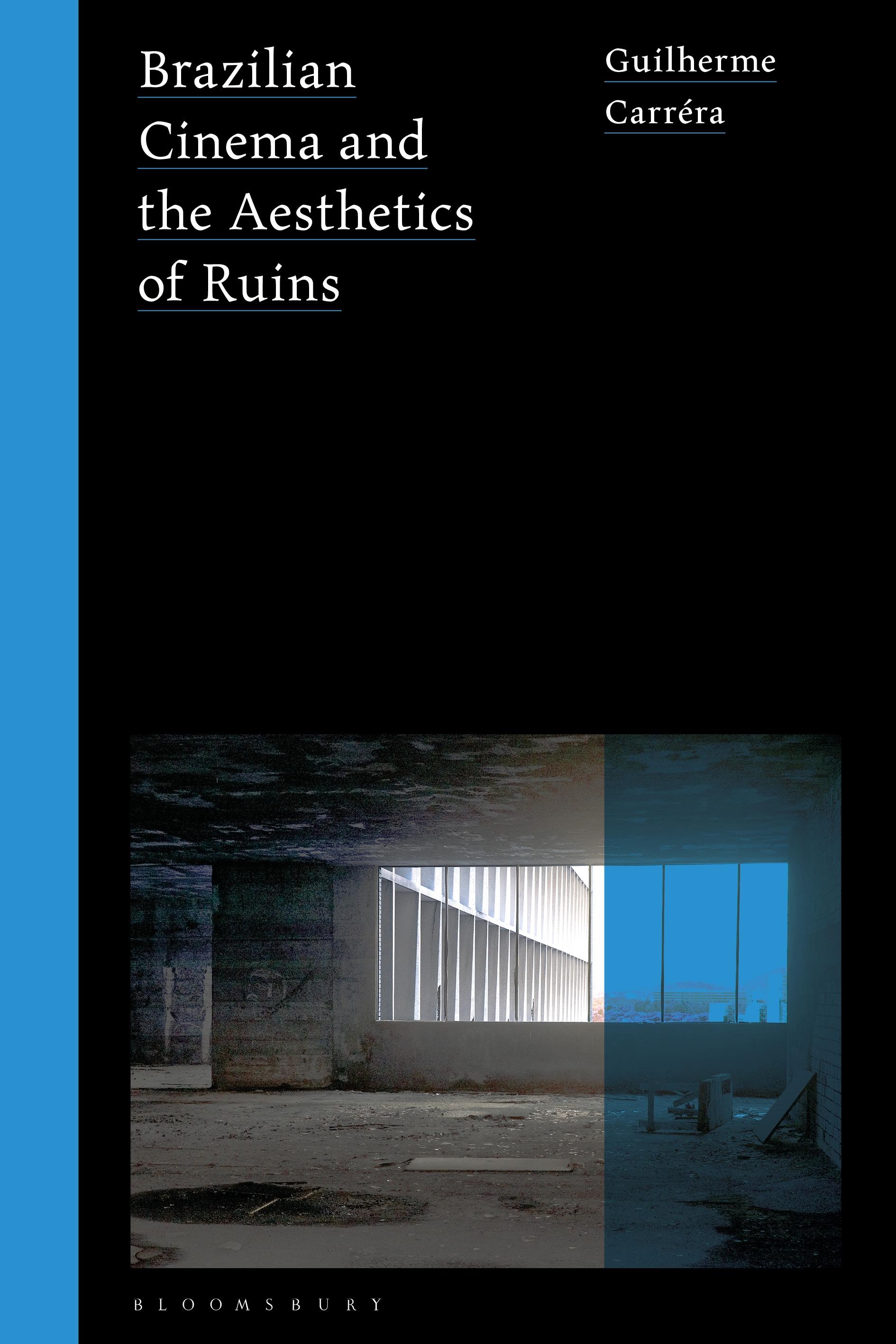
Guilherme Carréra's compelling book examines imagery of ruins in contemporary Brazilian cinema and considers these representations in the context of Brazilian society. Carréra analyses three groups of unconventional documentaries focused on distinct geographies: Brasília - The Age of Stone (2013) and White Out, Black In (2014); Rio de Janeiro - ExPerimetral (2016), The Harbour (2013), Tropical Curse (2016) and HU Enigma (2011); and indigenous territories - Corumbiara: They Shoot Indians, Don't They? (2009), Tava, The House of Stone (2012), Two Villages, One Path (2008) and Guarani Exile (2011). In portraying ruinscapes in different ways, these powerful films articulate critiques of the notions of progress and (under) development in the Brazilian nation.
Carréra invites the reader to walk amid the debris and reflect upon the strategies of spatial representation employed by the filmmakers. He addresses this body of films in relation to the legacies of Cinema Novo, Tropicália and Cinema Marginal, asking how these presentday films dialogue with or depart from previous traditions. Through this dialogue, he argues, the selected films challenge not only documentary-making conventions but also the country's official narrative.
Winner of the Association of Moving Image Researchers (AIM) 2022 Award for Best Monograph.
Guilherme Carréra's compelling book examines imagery of ruins in contemporary Brazilian cinema and considers these representations in the context of Brazilian society. Carréra analyses three groups of unconventional documentaries focused on distinct geographies: Brasília - The Age of Stone (2013) and White Out, Black In (2014); Rio de Janeiro - ExPerimetral (2016), The Harbour (2013), Tropical Curse (2016) and HU Enigma (2011); and indigenous territories - Corumbiara: They Shoot Indians, Don't They? (2009), Tava, The House of Stone (2012), Two Villages, One Path (2008) and Guarani Exile (2011). In portraying ruinscapes in different ways, these powerful films articulate critiques of the notions of progress and (under) development in the Brazilian nation.
Carréra invites the reader to walk amid the debris and reflect upon the strategies of spatial representation employed by the filmmakers. He addresses this body of films in relation to the legacies of Cinema Novo, Tropicália and Cinema Marginal, asking how these presentday films dialogue with or depart from previous traditions. Through this dialogue, he argues, the selected films challenge not only documentary-making conventions but also the country's official narrative.
Sivuja: 352
Kategoria: Film- & Medievetenskap
e-ISBN: 9781350203037
Lähetyspaino: 1.2 kg
Toimitusaika: 1-2 päivää
Maksa helposti kortilla, Klarnalla, Apple Paylla tai Google Paylla. Etkö ole tyytyväinen? Sinulla on aina 14 päivän palautusoikeus. Lue lisää ehdoistamme. Jos sinulla on kysyttävää, lähetä meille sähköpostia osoitteeseen hello@memmo.org.
Memmo tekee opiskelusta helpompaa – missä päin maailmaa ikinä oletkin. Meillä yhdistät kurssikirjat ja fiksut opiskelutyökalut yhteen paikkaan: tiivistelmät, visat, podcastit ja muistikortit. Ja sitten Ted, opiskelukaverisi, joka vastaa kaikkeen, mitä ikinä mietitkin. Yli 50 000 opiskelijaa opiskelee jo täällä – rakennettu auttamaan sinua oppimaan nopeammin ja stressaamaan vähemmän.