
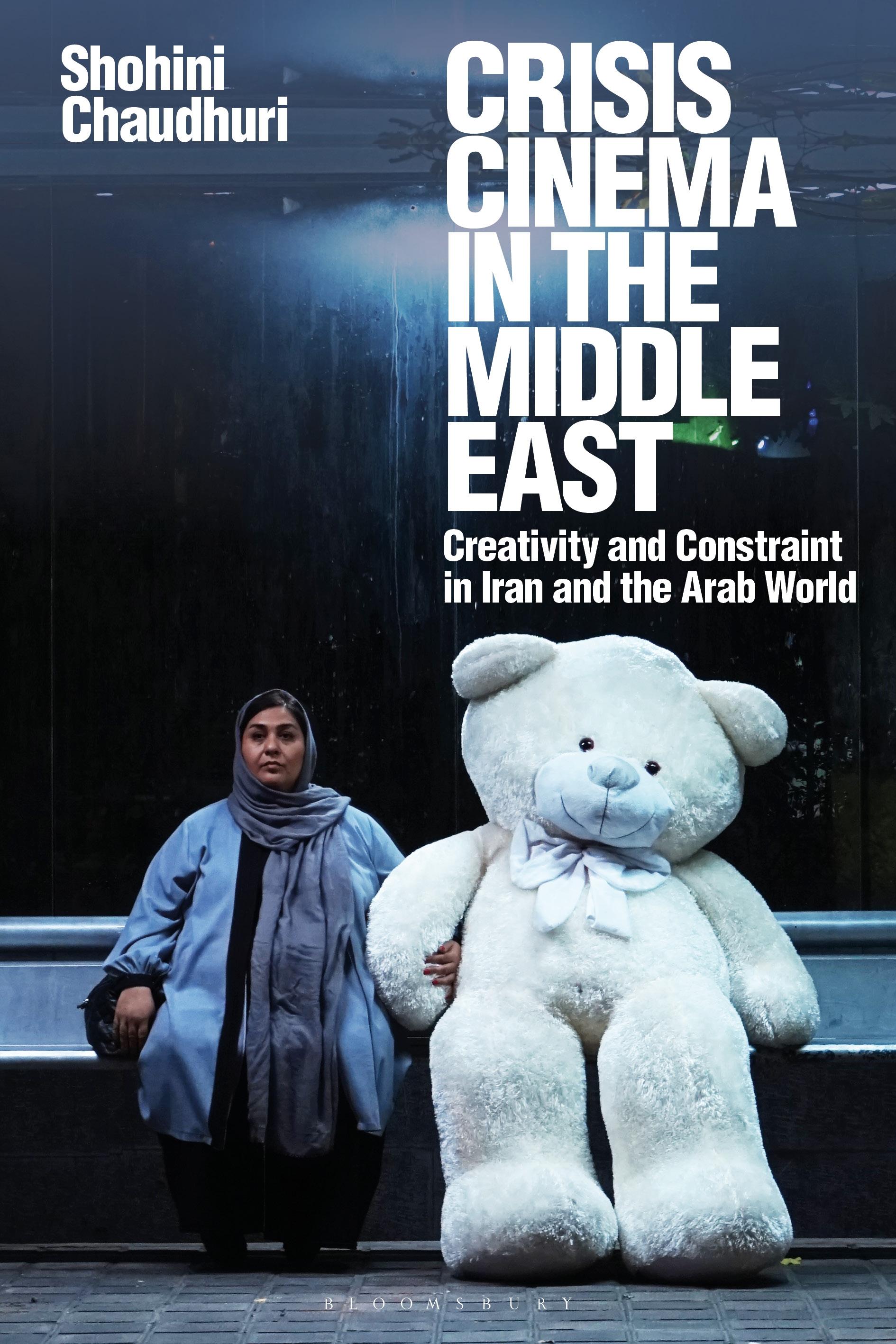
In recent years, the Arab world and Iran have been afflicted by cataclysmic events, among them brutal state crackdowns of revolutions. Yet, filmmakers have persisted in their desire to tell their stories, against the odds, in creative acts that attest to their imagination, courage and resilience.
In this book, Shohini Chaudhuri examines a broad range of films made during the tumultuous period since 2009, ranging from internationally award-winning festival favourites, such as For Sama (2019), Capernaum (2018) and Taxi Tehran (2015), to lesser-known films from the region. While freedom of expression is often understood through the lens of state censorship, she reveals the different types of obstacles that filmmakers face and their strategies for overcoming them so that those constraints are transformed into creative opportunities. Using her original interviews with filmmakers such as Waad al-Kateab, Yasmin Fedda, Larissa Sansour, Mani Haghighi and Ossama Mohammed, she identifies nine creative strategies for producing work under conditions of crisis.
Chaudhuri argues that creativity is indelibly shaped by constraints, whether these are externally imposed by existing materials, funding and socio-political conditions, or self-imposed constraints, through choices of genre or acceptance of rules and responsibilities.She shows that the range of creative strategies emanating from the region is much wider than allegory and becoming ever more direct. She thus opens up new lines of inquiry into cinematic creativity in sites of conflict and crisis in the Middle East and beyond.
In this book, Shohini Chaudhuri examines a broad range of films made during the tumultuous period since 2009, ranging from internationally award-winning festival favourites, such as For Sama (2019), Capernaum (2018) and Taxi Tehran (2015), to lesser-known films from the region. While freedom of expression is often understood through the lens of state censorship, she reveals the different types of obstacles that filmmakers face and their strategies for overcoming them so that those constraints are transformed into creative opportunities. Using her original interviews with filmmakers such as Waad al-Kateab, Yasmin Fedda, Larissa Sansour, Mani Haghighi and Ossama Mohammed, she identifies nine creative strategies for producing work under conditions of crisis.
Chaudhuri argues that creativity is indelibly shaped by constraints, whether these are externally imposed by existing materials, funding and socio-political conditions, or self-imposed constraints, through choices of genre or acceptance of rules and responsibilities.She shows that the range of creative strategies emanating from the region is much wider than allegory and becoming ever more direct. She thus opens up new lines of inquiry into cinematic creativity in sites of conflict and crisis in the Middle East and beyond.
Sivuja: 328
Kategoria: Film- & Medievetenskap
e-ISBN: 9781350190528
Lähetyspaino: 1.2 kg
Toimitusaika: 1-2 päivää
Maksa helposti kortilla, Klarnalla, Apple Paylla tai Google Paylla. Etkö ole tyytyväinen? Sinulla on aina 14 päivän palautusoikeus. Lue lisää ehdoistamme. Jos sinulla on kysyttävää, lähetä meille sähköpostia osoitteeseen hello@memmo.org.
Memmo tekee opiskelusta helpompaa – missä päin maailmaa ikinä oletkin. Meillä yhdistät kurssikirjat ja fiksut opiskelutyökalut yhteen paikkaan: tiivistelmät, visat, podcastit ja muistikortit. Ja sitten Ted, opiskelukaverisi, joka vastaa kaikkeen, mitä ikinä mietitkin. Yli 50 000 opiskelijaa opiskelee jo täällä – rakennettu auttamaan sinua oppimaan nopeammin ja stressaamaan vähemmän.