
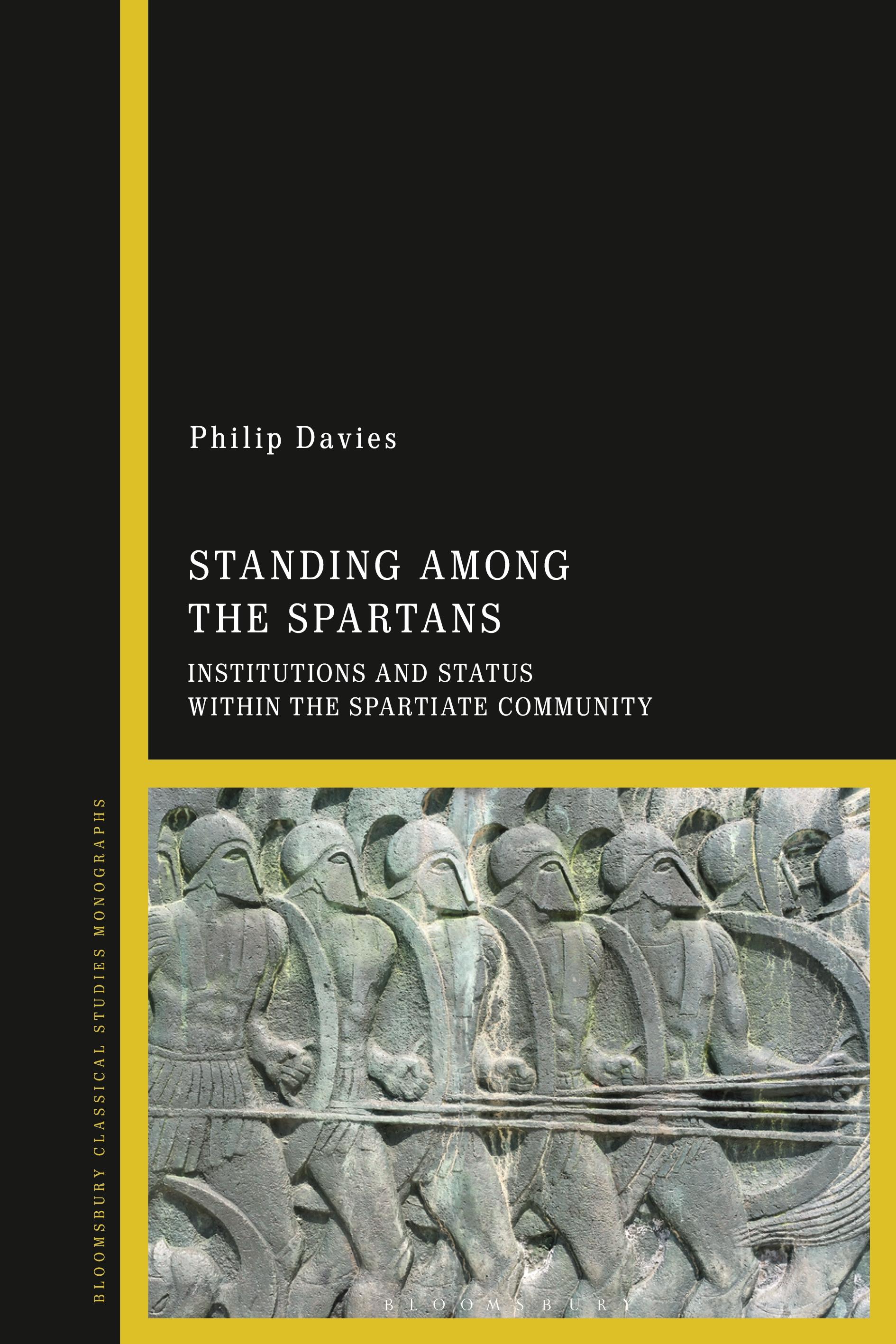
Conformity, uniformity, institutionality, exceptionality – each of these terms encapsulates an aspect of the common perception of Sparta, both among scholars and in the popular imagination.
This volume seeks to interrogate how rightly we may apply these terms to the Spartan citizen community in the classical period (approximately 500-350 BC) and reveals a much greater level of differentiation within this social group than is often assumed.
Drawing upon recent scholarship on Sparta, theoretical and methodological discussions from within the wider fields of classical studies and ancient history, and approaches to status and institutions developed in the social sciences, Philip John Victor Davies examines the diverse factors which influenced the standing of individuals within the Spartiate community and assesses how great a role institutions played in determining a Spartiate's standing and to what extent Sparta was, as ancient accounts would suggest, significantly more institutionalized than other Greek societies. Placing Sparta in the context of the renewed interest in institutions and their social significance represented across multiple disciplines by the 'New Institutionalist turn', he presents a more dynamic understanding of the internal life of the Spartiate community, with a nuanced appreciation of the dimensions and limits of Sparta's exceptionality.
This volume seeks to interrogate how rightly we may apply these terms to the Spartan citizen community in the classical period (approximately 500-350 BC) and reveals a much greater level of differentiation within this social group than is often assumed.
Drawing upon recent scholarship on Sparta, theoretical and methodological discussions from within the wider fields of classical studies and ancient history, and approaches to status and institutions developed in the social sciences, Philip John Victor Davies examines the diverse factors which influenced the standing of individuals within the Spartiate community and assesses how great a role institutions played in determining a Spartiate's standing and to what extent Sparta was, as ancient accounts would suggest, significantly more institutionalized than other Greek societies. Placing Sparta in the context of the renewed interest in institutions and their social significance represented across multiple disciplines by the 'New Institutionalist turn', he presents a more dynamic understanding of the internal life of the Spartiate community, with a nuanced appreciation of the dimensions and limits of Sparta's exceptionality.
Maksa helposti kortilla, Klarnalla, Apple Paylla tai Google Paylla. Etkö ole tyytyväinen? Sinulla on aina 14 päivän palautusoikeus. Lue lisää ehdoistamme. Jos sinulla on kysyttävää, lähetä meille sähköpostia osoitteeseen hello@memmo.org.
Memmo tekee opiskelusta helpompaa – missä päin maailmaa ikinä oletkin. Meillä yhdistät kurssikirjat ja fiksut opiskelutyökalut yhteen paikkaan: tiivistelmät, visat, podcastit ja muistikortit. Ja sitten Ted, opiskelukaverisi, joka vastaa kaikkeen, mitä ikinä mietitkin. Yli 50 000 opiskelijaa opiskelee jo täällä – rakennettu auttamaan sinua oppimaan nopeammin ja stressaamaan vähemmän.