
Highly Commended, Society for Renaissance Studies Biennial Book Prize 2022
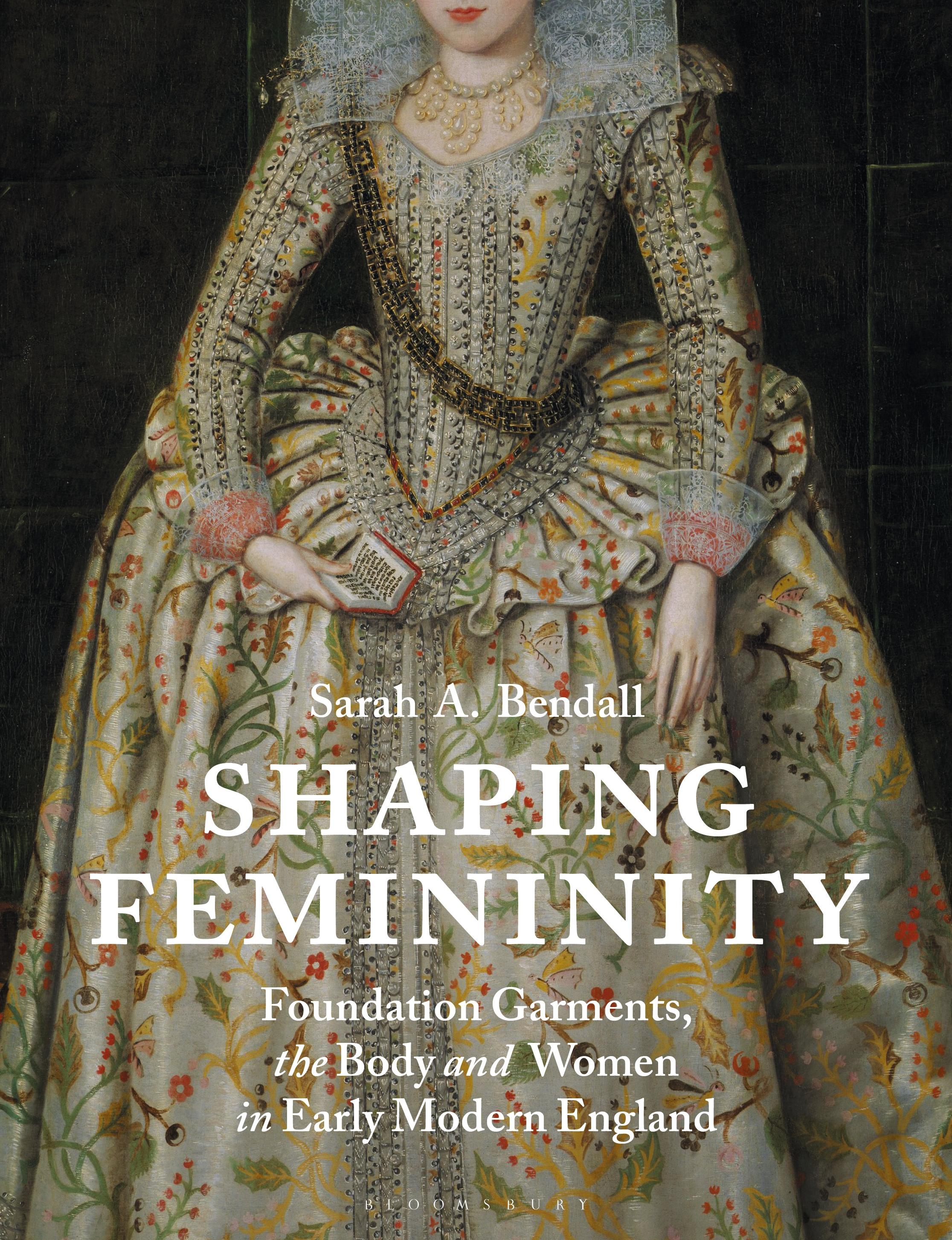
In sixteenth and seventeenth-century England, the female silhouette underwent a dramatic change. This very structured form, created using garments called bodies and farthingales, existed in various extremes in Western Europe and beyond, in the form of stays, corsets, hoop petticoats and crinolines, right up until the twentieth century. With a nuanced approach that incorporates a stunning array of visual and written sources and drawing on transdisciplinary methodologies, Shaping Femininity explores the relationship between material culture and femininity by examining the lives of a wide range of women, from queens to courtiers, farmer's wives and servants, uncovering their lost voices and experiences. It reorients discussions about female foundation garments in English and wider European history, arguing that these objects of material culture began to shape and define changing notions of the feminine bodily ideal, social status, sexuality and modesty in the early modern period, influencing enduring Western notions of femininity.
Beautifully illustrated in full colour throughout, Shaping Femininity is the first large-scale exploration of the materiality, production, consumption and meanings of women's foundation garments in sixteenth and seventeenth-century England. It offers a fascinating insight into dress and fashion in the early modern period, and offers much of value to all those interested in the history of early modern women and gender, material culture and consumption, and the history of the body, as well as curators and reconstructors.
In sixteenth and seventeenth-century England, the female silhouette underwent a dramatic change. This very structured form, created using garments called bodies and farthingales, existed in various extremes in Western Europe and beyond, in the form of stays, corsets, hoop petticoats and crinolines, right up until the twentieth century. With a nuanced approach that incorporates a stunning array of visual and written sources and drawing on transdisciplinary methodologies, Shaping Femininity explores the relationship between material culture and femininity by examining the lives of a wide range of women, from queens to courtiers, farmer's wives and servants, uncovering their lost voices and experiences. It reorients discussions about female foundation garments in English and wider European history, arguing that these objects of material culture began to shape and define changing notions of the feminine bodily ideal, social status, sexuality and modesty in the early modern period, influencing enduring Western notions of femininity.
Beautifully illustrated in full colour throughout, Shaping Femininity is the first large-scale exploration of the materiality, production, consumption and meanings of women's foundation garments in sixteenth and seventeenth-century England. It offers a fascinating insight into dress and fashion in the early modern period, and offers much of value to all those interested in the history of early modern women and gender, material culture and consumption, and the history of the body, as well as curators and reconstructors.
Maksa helposti kortilla, Klarnalla, Apple Paylla tai Google Paylla. Etkö ole tyytyväinen? Sinulla on aina 14 päivän palautusoikeus. Lue lisää ehdoistamme. Jos sinulla on kysyttävää, lähetä meille sähköpostia osoitteeseen hello@memmo.org.
Memmo tekee opiskelusta helpompaa – missä päin maailmaa ikinä oletkin. Meillä yhdistät kurssikirjat ja fiksut opiskelutyökalut yhteen paikkaan: tiivistelmät, visat, podcastit ja muistikortit. Ja sitten Ted, opiskelukaverisi, joka vastaa kaikkeen, mitä ikinä mietitkin. Yli 50 000 opiskelijaa opiskelee jo täällä – rakennettu auttamaan sinua oppimaan nopeammin ja stressaamaan vähemmän.