
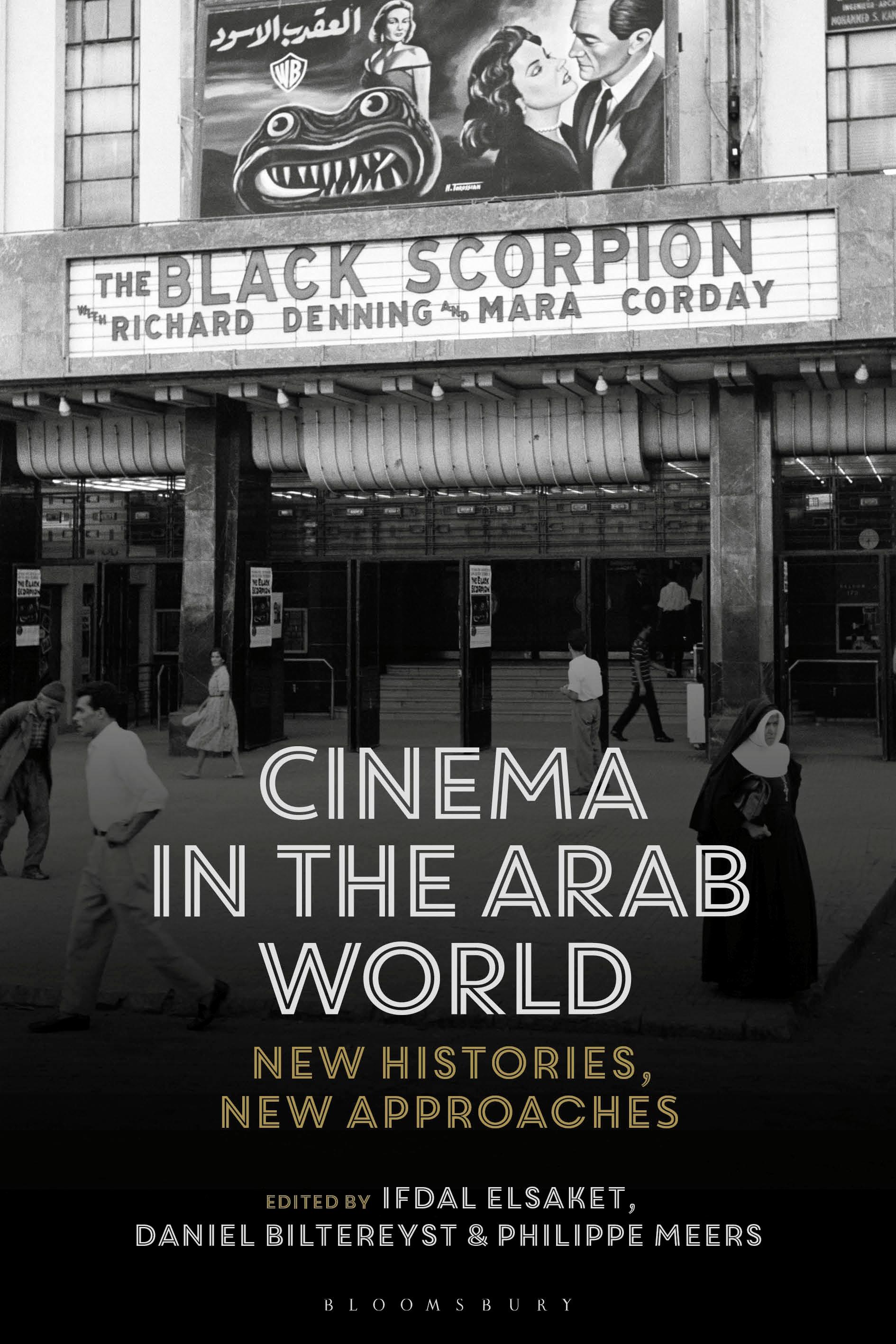
Cinema in the Arab world has been the subject of varied and rigorous studies, but most have focused on films as text, providing in-depth analyses of plot, style, ideologies, or examination of the biographies of prominent directors or actors.
This innovative new volume shifts the focus on Arab cinema off-screen, to examine the histories, politics, and conditions of distribution, exhibition, and cinema-going in the Arab world. Through broadening the frame of study beyond the screen, the book widens understanding of the cinema, not merely as a collection of films-as-texts, but as a site of cultural and political contestation in the Arab world.
Divided into two sections, and guided by interdisciplinary considerations, the contributors examine historical and contemporary issues of Arab cinema in terms of the experience of movie-going and filmmaking. They examine the networks of distribution and exhibition, as well as the contested and multiple meanings that the cinema embodied through diverse historical periods and geographical locations. Part I focuses on new histories of Arab cinema in terms of film production, distribution, exhibition and audience's experiences of cinema-going. Part II deals with more recent issues within scholarship on Arab cinema such as issues of politics, economics, ideologies, as well as issues related to Arab movies' international circulation and screenings at festivals. Together, the chapters enrich our understanding of the cinema in the Arab world, showing how deeply embedded it is within its social, political, and economic contexts.
This innovative new volume shifts the focus on Arab cinema off-screen, to examine the histories, politics, and conditions of distribution, exhibition, and cinema-going in the Arab world. Through broadening the frame of study beyond the screen, the book widens understanding of the cinema, not merely as a collection of films-as-texts, but as a site of cultural and political contestation in the Arab world.
Divided into two sections, and guided by interdisciplinary considerations, the contributors examine historical and contemporary issues of Arab cinema in terms of the experience of movie-going and filmmaking. They examine the networks of distribution and exhibition, as well as the contested and multiple meanings that the cinema embodied through diverse historical periods and geographical locations. Part I focuses on new histories of Arab cinema in terms of film production, distribution, exhibition and audience's experiences of cinema-going. Part II deals with more recent issues within scholarship on Arab cinema such as issues of politics, economics, ideologies, as well as issues related to Arab movies' international circulation and screenings at festivals. Together, the chapters enrich our understanding of the cinema in the Arab world, showing how deeply embedded it is within its social, political, and economic contexts.
Maksa helposti kortilla, Klarnalla, Apple Paylla tai Google Paylla. Etkö ole tyytyväinen? Sinulla on aina 14 päivän palautusoikeus. Lue lisää ehdoistamme. Jos sinulla on kysyttävää, lähetä meille sähköpostia osoitteeseen hello@memmo.org.
Memmo tekee opiskelusta helpompaa – missä päin maailmaa ikinä oletkin. Meillä yhdistät kurssikirjat ja fiksut opiskelutyökalut yhteen paikkaan: tiivistelmät, visat, podcastit ja muistikortit. Ja sitten Ted, opiskelukaverisi, joka vastaa kaikkeen, mitä ikinä mietitkin. Yli 50 000 opiskelijaa opiskelee jo täällä – rakennettu auttamaan sinua oppimaan nopeammin ja stressaamaan vähemmän.